


What to See in China in 10 Days
China is huge. You won’t see everything in one trip, so you’ll have to decide what’s more important to you: history or cyberpunk? Megacities or nature? In my case, I chose cyberpunk, dramatic landscapes, cutting-edge technology, and just enough history. That meant skipping Beijing—and honestly, I don’t regret it. In this guide, I’ll show you exactly how to spend 10 days in China following the route Shanghai → Zhangjiajie (Avatar Mountains) → Furong Ancient Town → Chongqing. I’ve also written detailed guides for every destination on this itinerary, and you’ll find links throughout the article. If you’re wondering about visas, internet, VPNs, payments, and everything else you should know before travelling to China, check out my practical guide first.
The Itinerary at a Glance
We’ll spend three days in Shanghai, exploring the Bund, visiting observation decks, spending a full day at Disneyland, wandering around the city’s arts district and Old Town. Then we’ll take a high-speed train to Zhangjiajie National Forest Park, home of the famous Avatar Mountains. Over the next three days we’ll ride cable cars, walk across the world’s longest glass bridge, and take the famous glass elevator up the cliffs. After that, we’ll stop in Furong Ancient Town, a magical village built around waterfalls. Finally, we’ll board another train to Chongqing, China’s ultimate cyberpunk city. Over three days we’ll wander among futuristic skyscrapers, meet giant pandas, photograph the famous metro train that passes straight through a residential building, watch an immersive theatre performance unlike anything else in the world, admire the glowing “Ghost City,” and even stumble across Buddhist monks—all in one city.
Now let’s look at each stop in more detail.
Shanghai
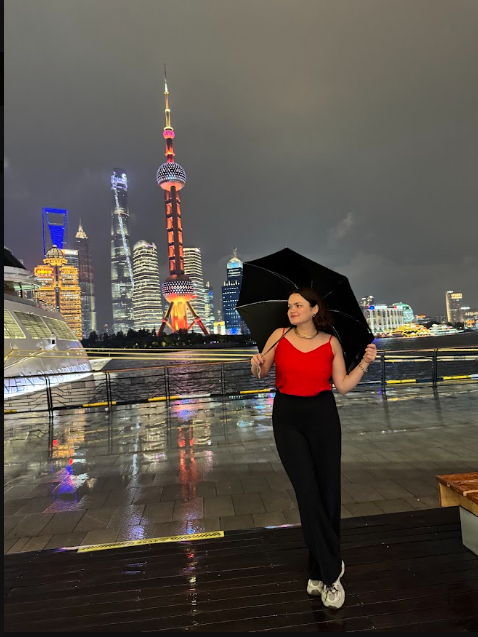
Shanghai is probably the easiest city in China for first-time visitors. It’s clean, green, highly organised, and incredibly modern. Although the city is enormous, the metro system makes getting around surprisingly easy. I’d recommend staying somewhere within 20 minutes of the Bund by metro. We arrived at the end of April, just before the Chinese May holidays, so our goal was to visit all the major attractions before the crowds exploded on May 1st. I’ve already written a complete guide to Shanghai’s most Instagram-worthy places, so here’s the short version. Our first day greeted us with rain—which turned out to be a blessing in disguise. It kept millions of tourists away from the Bund.
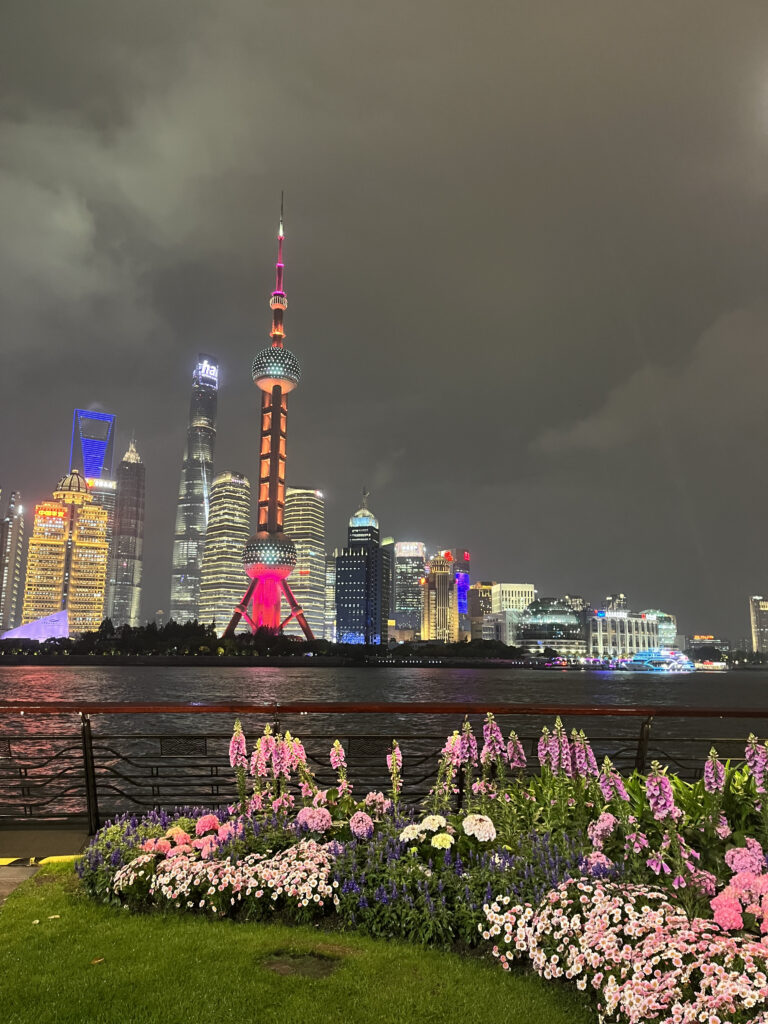
Wait until around 6 p.m., when the waterfront lights switch on, then head across the river to Manner Coffee, probably the most Instagram-famous café in Shanghai, with an incredible view of the Oriental Pearl Tower.
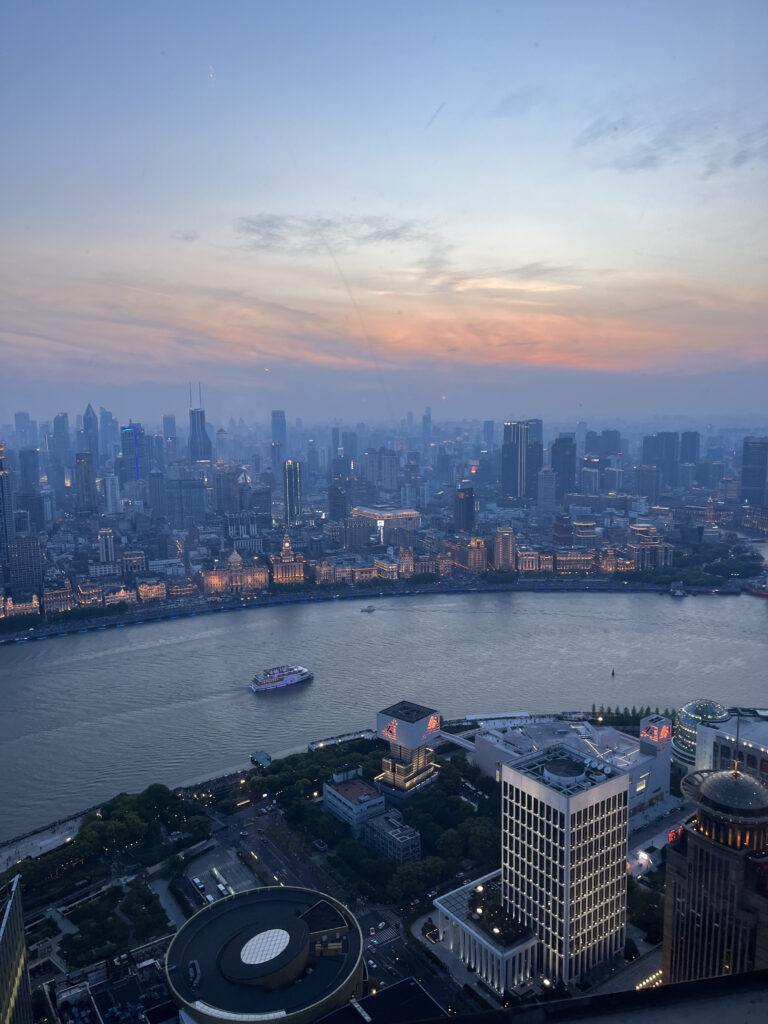
If you have time, grab a drink at one of the skyscraper bars overlooking the skyline.
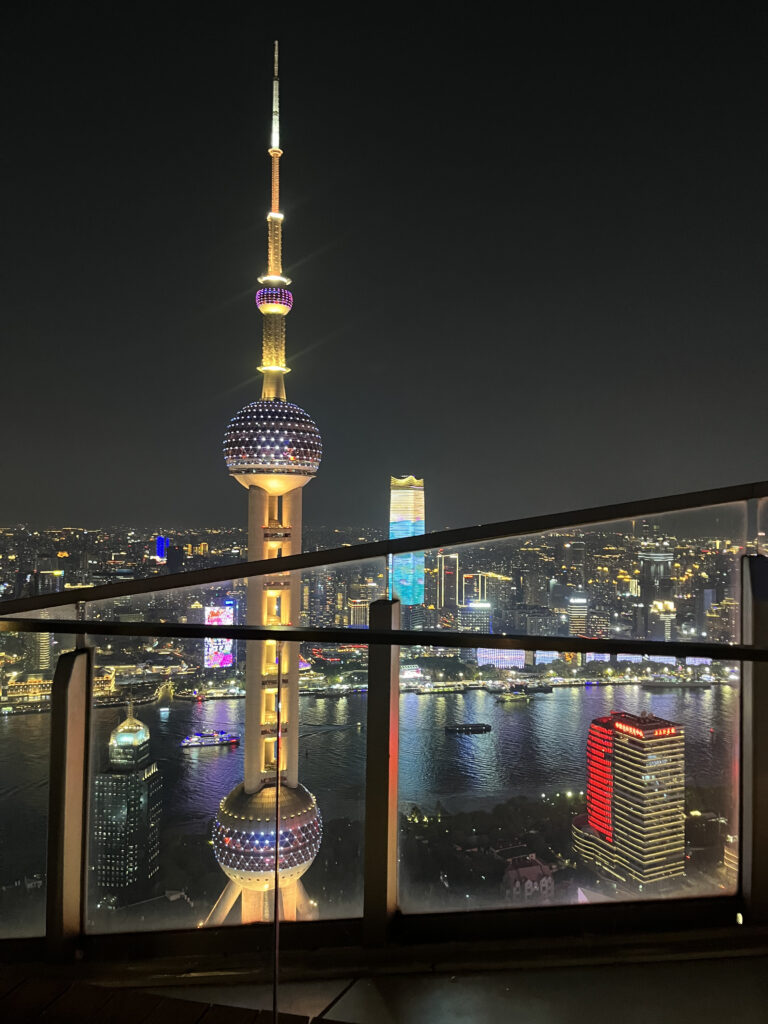
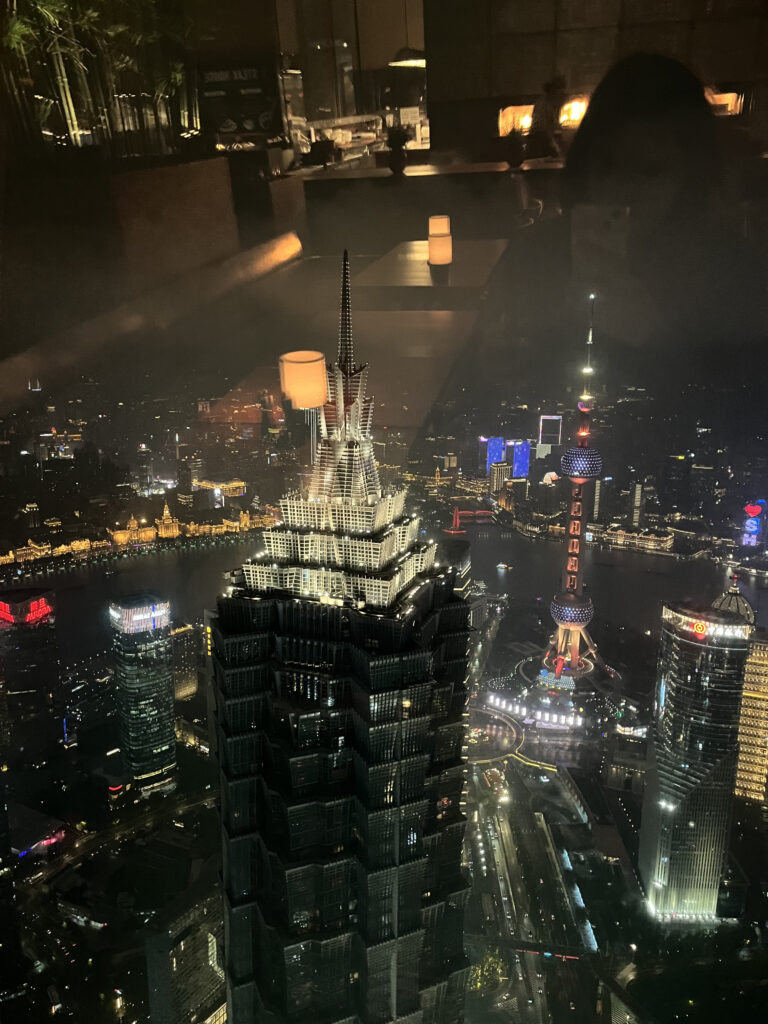
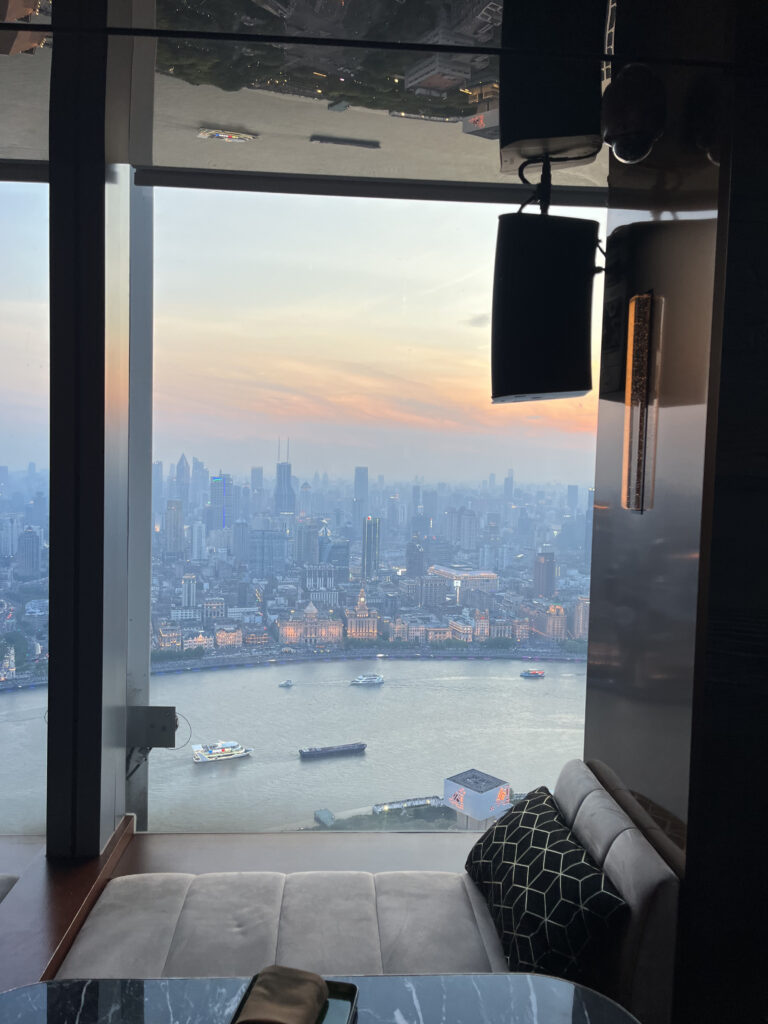
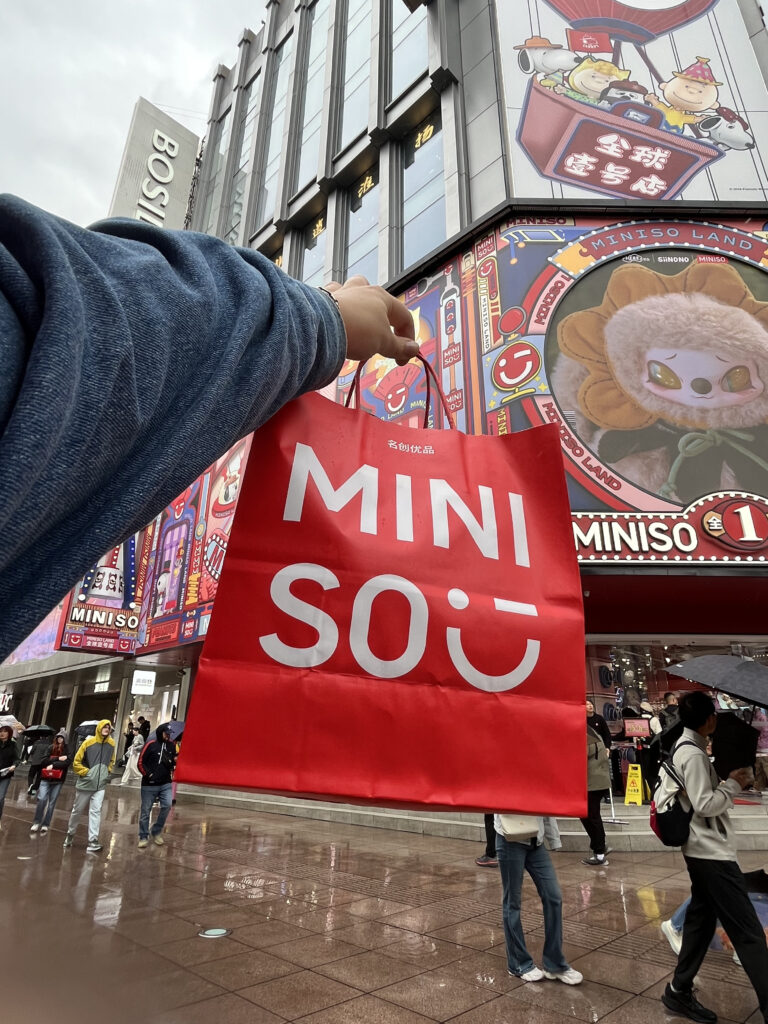
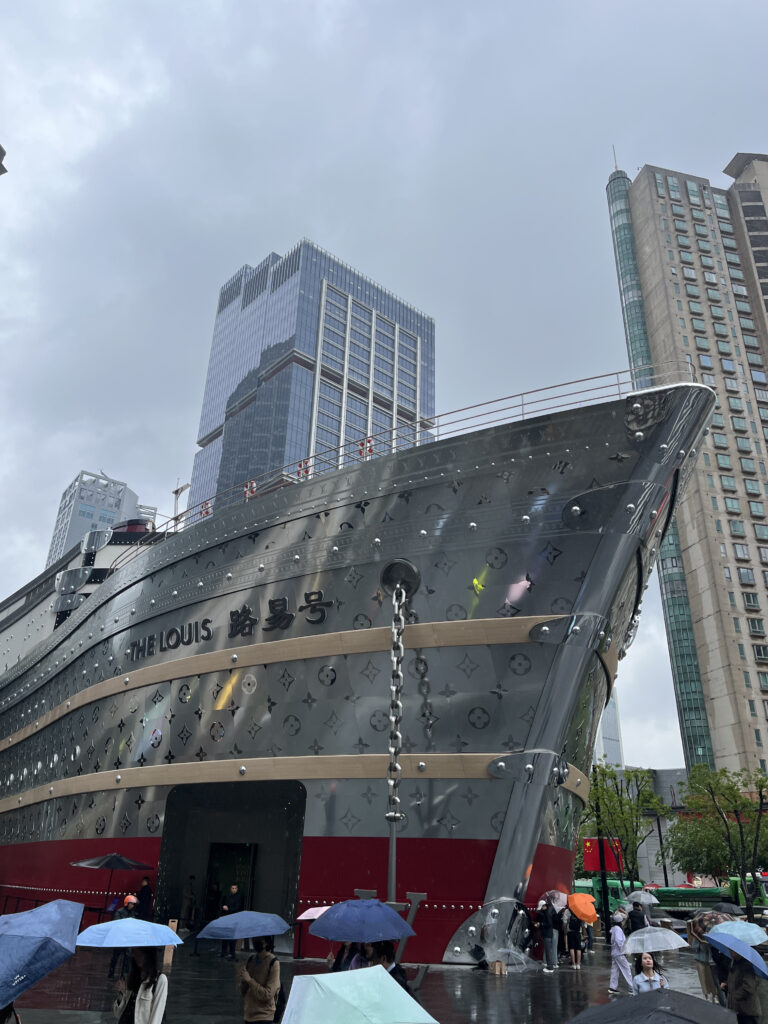
The next day, explore the fashionable Huangpu district and Nanjing Road, Shanghai’s equivalent of Fifth Avenue or the Champs-Élysées. Here you’ll find the giant Louis Vuitton “ship,” the world’s largest Starbucks Reserve Roastery, the biggest M&M’s store, countless luxury boutiques, and—of course—Miniso for souvenirs.
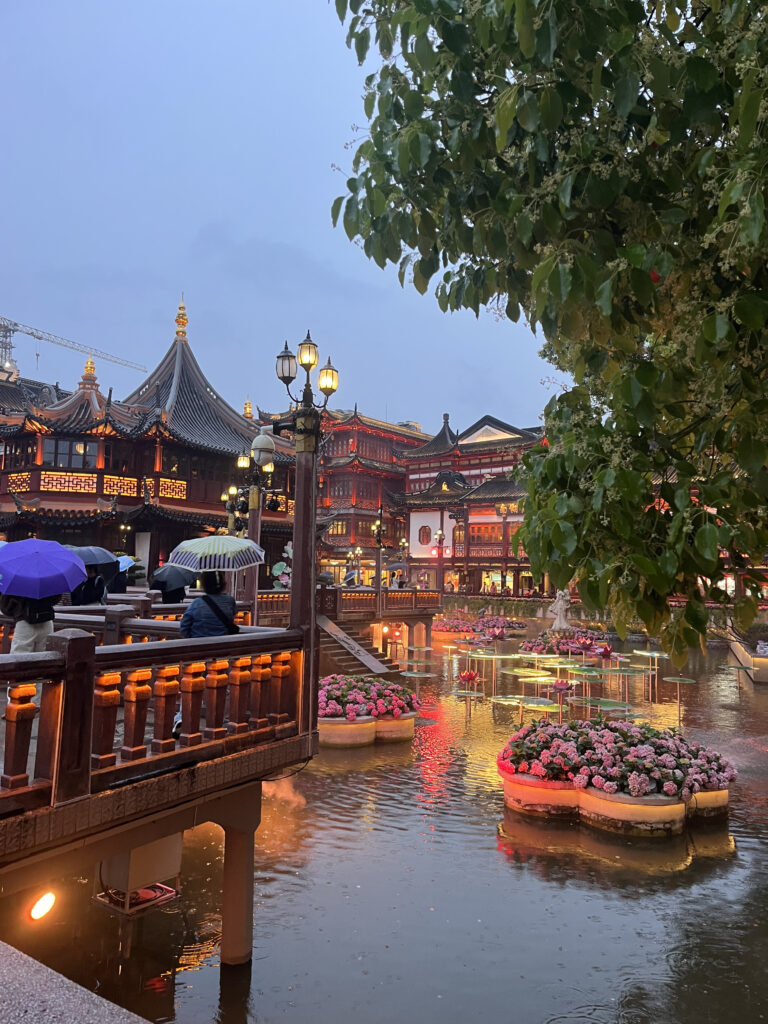
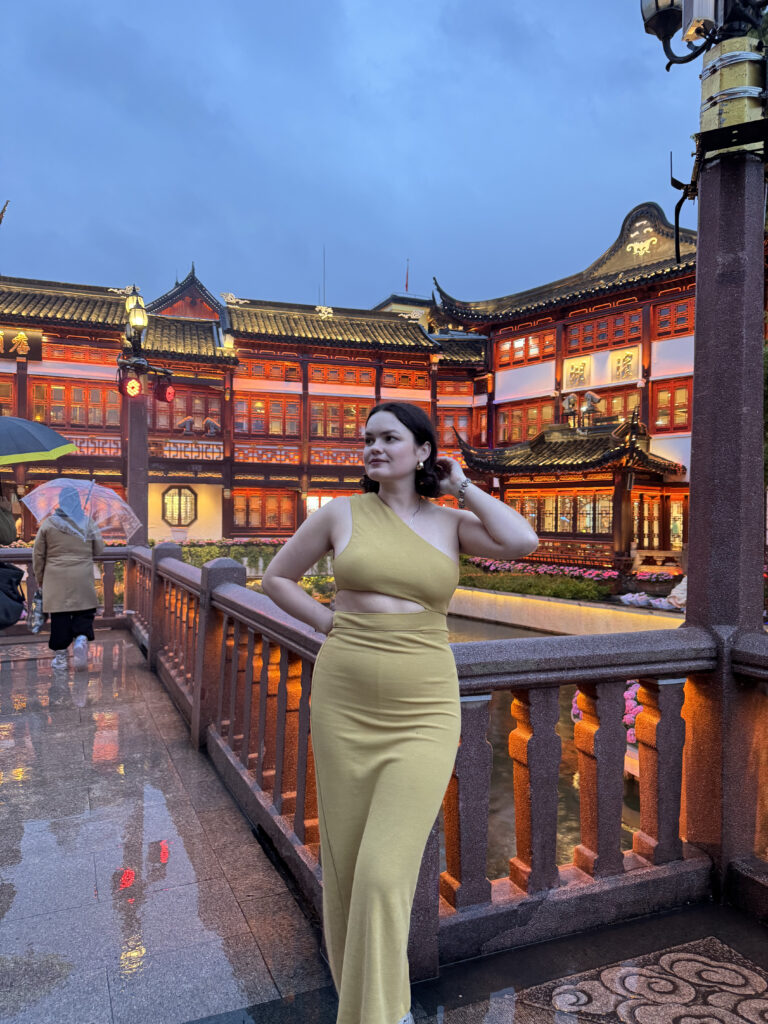
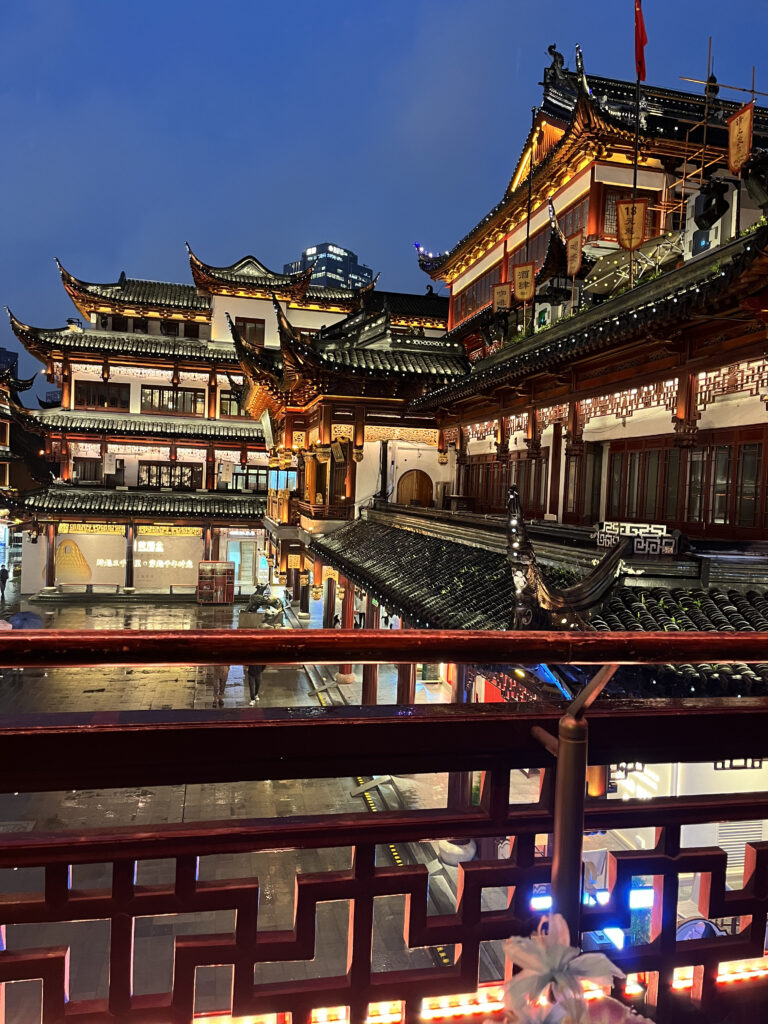
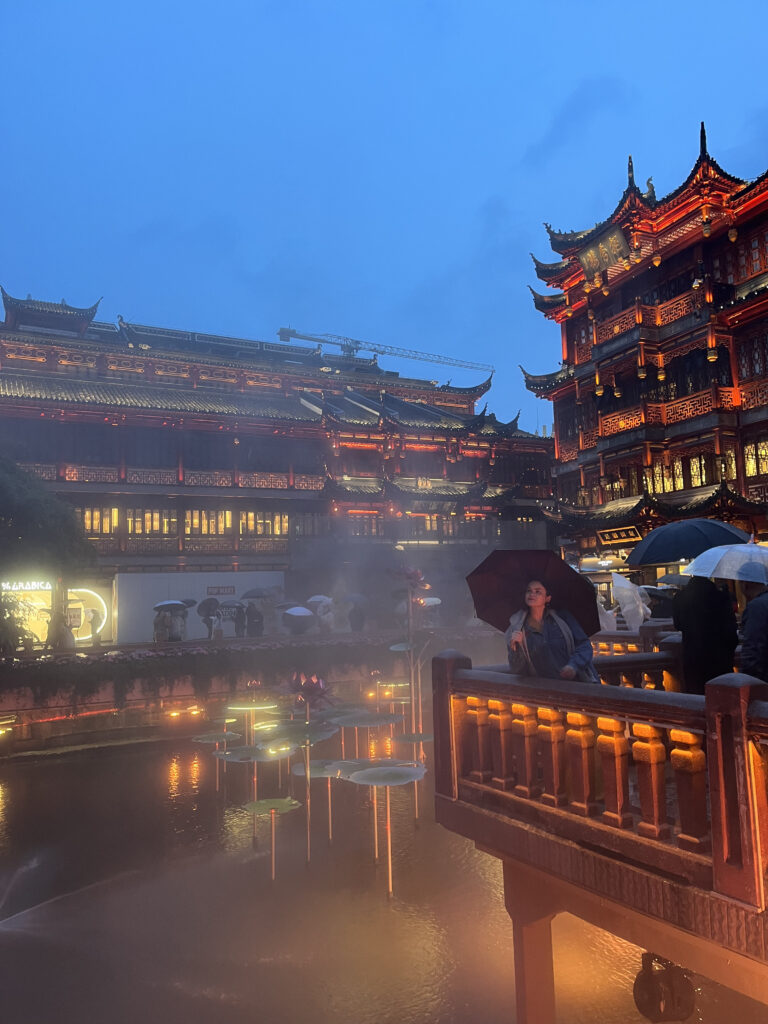
Towards evening, make your way to Yu Garden in Shanghai’s Old Town. Thanks to another rainy day, we once again escaped the tourist crowds. Spend some time wandering through lantern-lit streets, traditional pagodas, and old Chinese architecture – watch it in my ticktok.
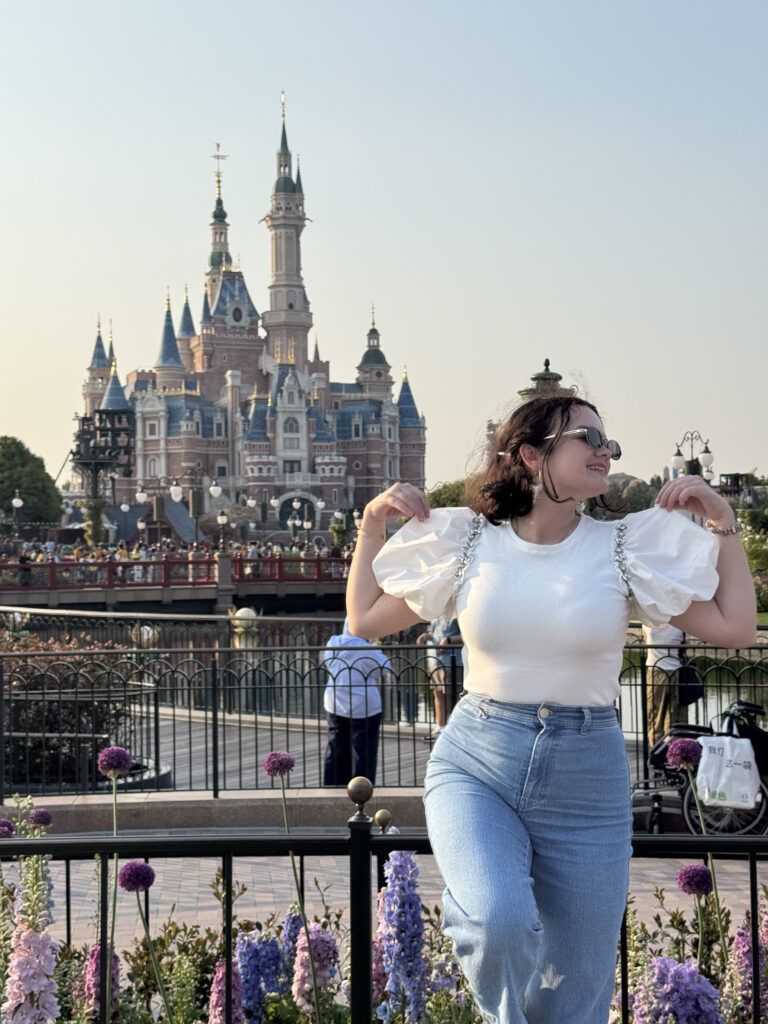
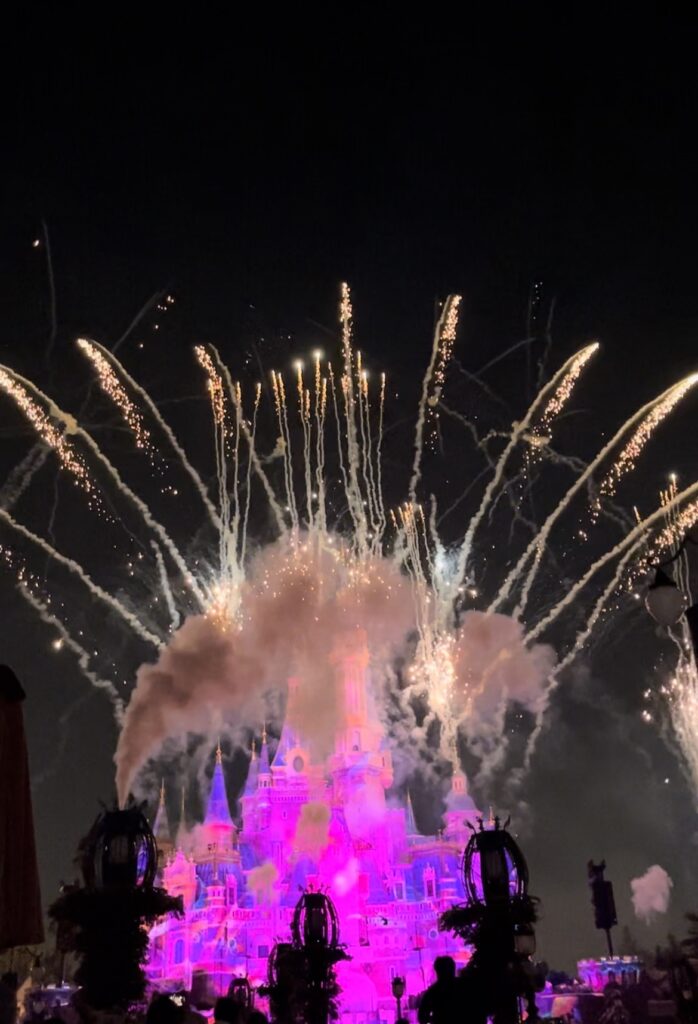
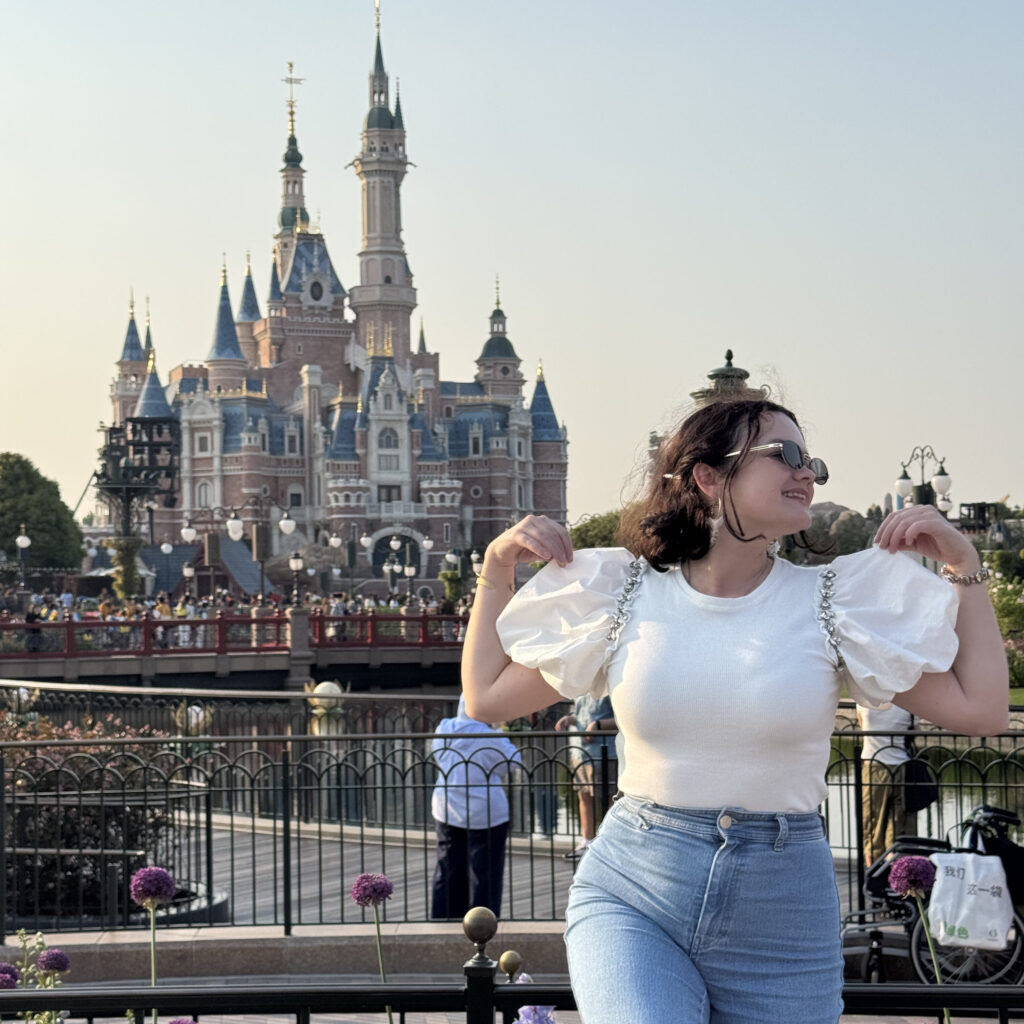
Then dedicate your entire third day to Shanghai Disneyland. I‘ve written a full Disneyland guide separately, but one piece of advice: visit on a weekday. We went on April 30th—the last weekday before the holidays—and it was already incredibly busy. I don’t even want to imagine what it looked like the next day.
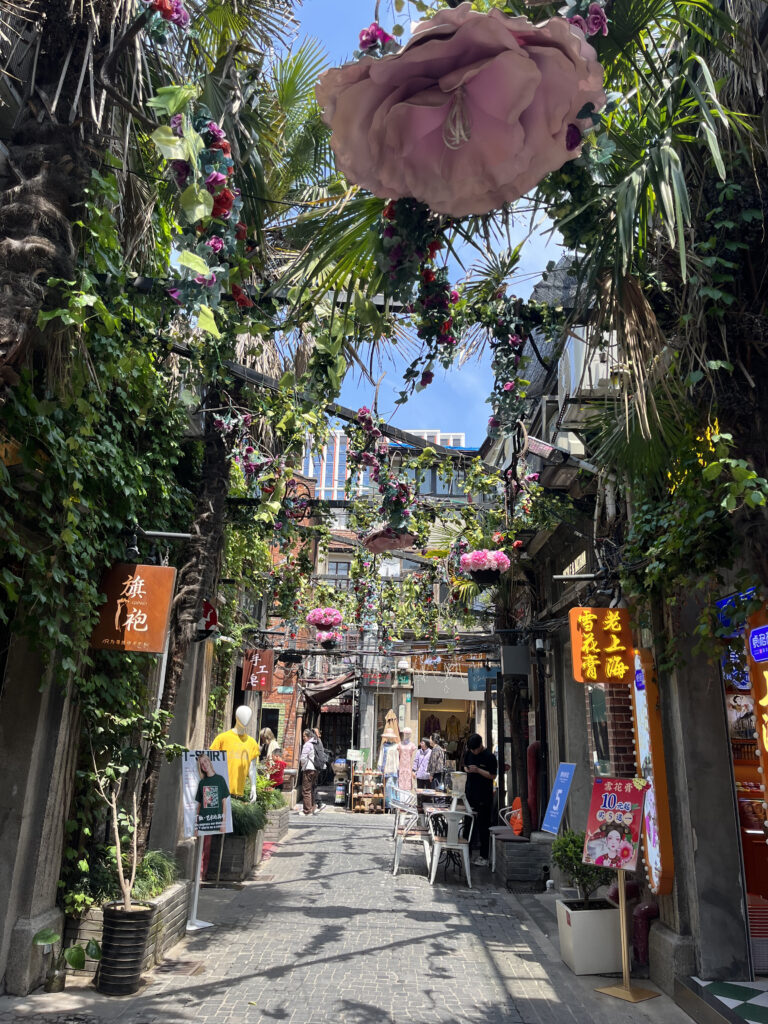
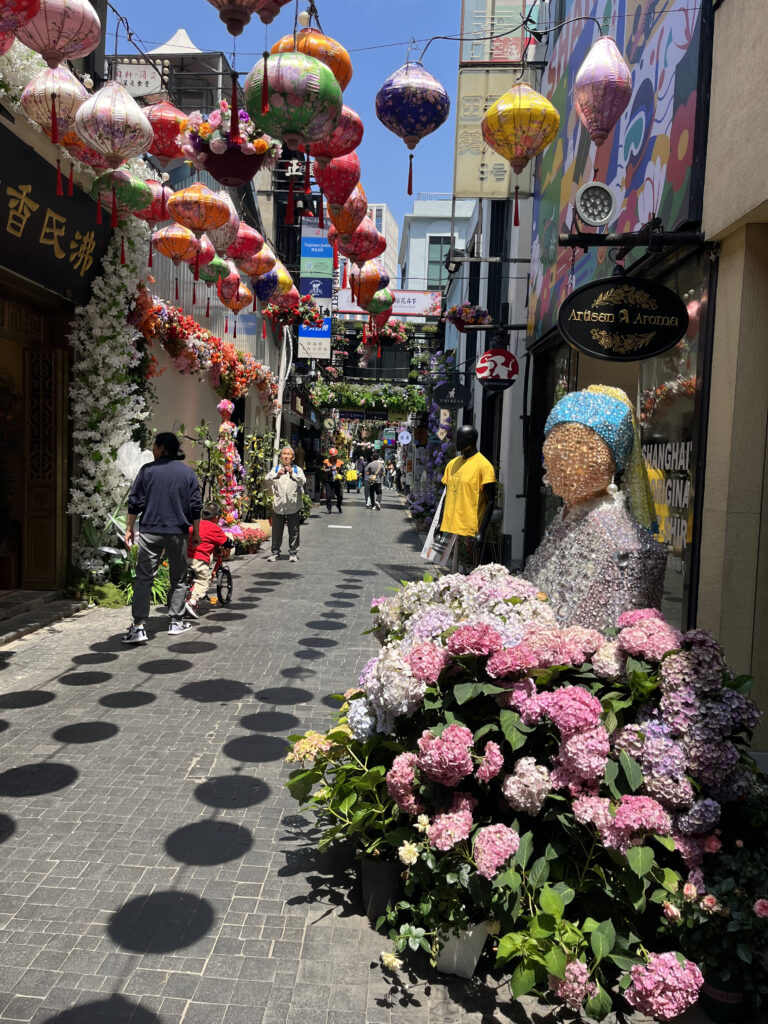
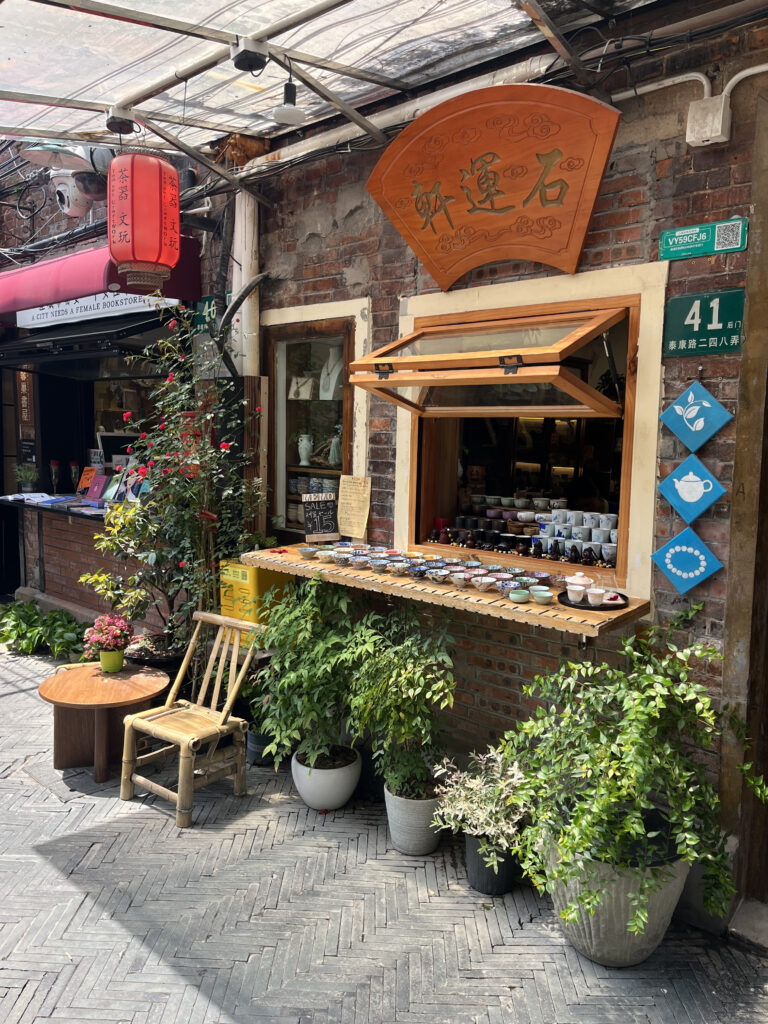
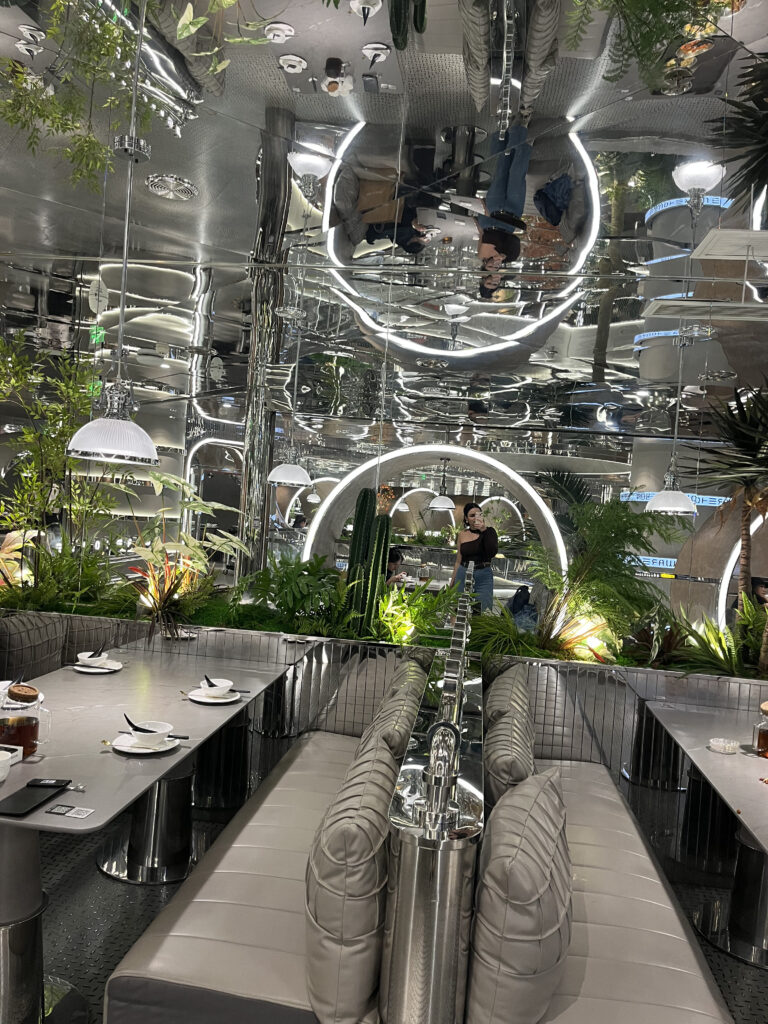
The following morning, before the city wakes up, stroll through Tianzifang, Shanghai’s arts district, and have lunch at one of the city’s trendy futuristic restaurants.
And then hop on a high-speed train to Zhangjiajie. You’ll find my complete Shanghai guide here.
Zhangjiajie – Avatar Mountain Park
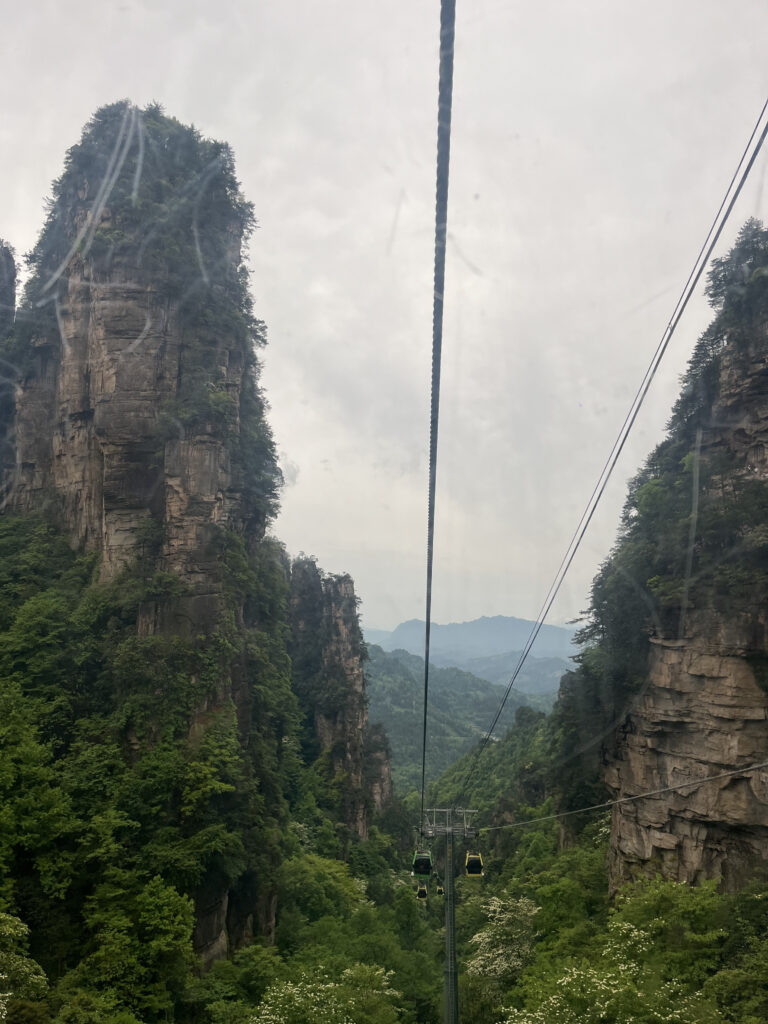
From Shanghai, take a high-speed train to Zhangjiajie or Wulingyuan. I’ve written an extremely detailed guide to the Avatar Mountains, so here I’ll just cover the basics. Why are they called the Avatar Mountains? Because the towering sandstone pillars of Zhangjiajie inspired James Cameron while creating Pandora in Avatar. The national park is enormous, with several scenic areas spread far apart.
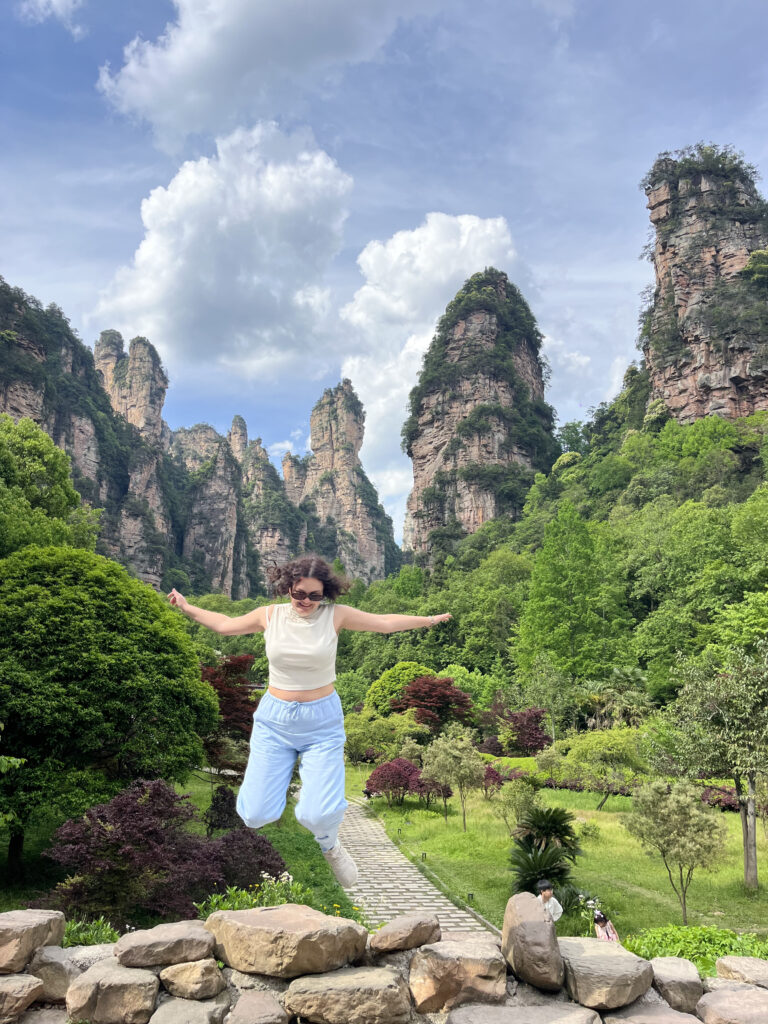
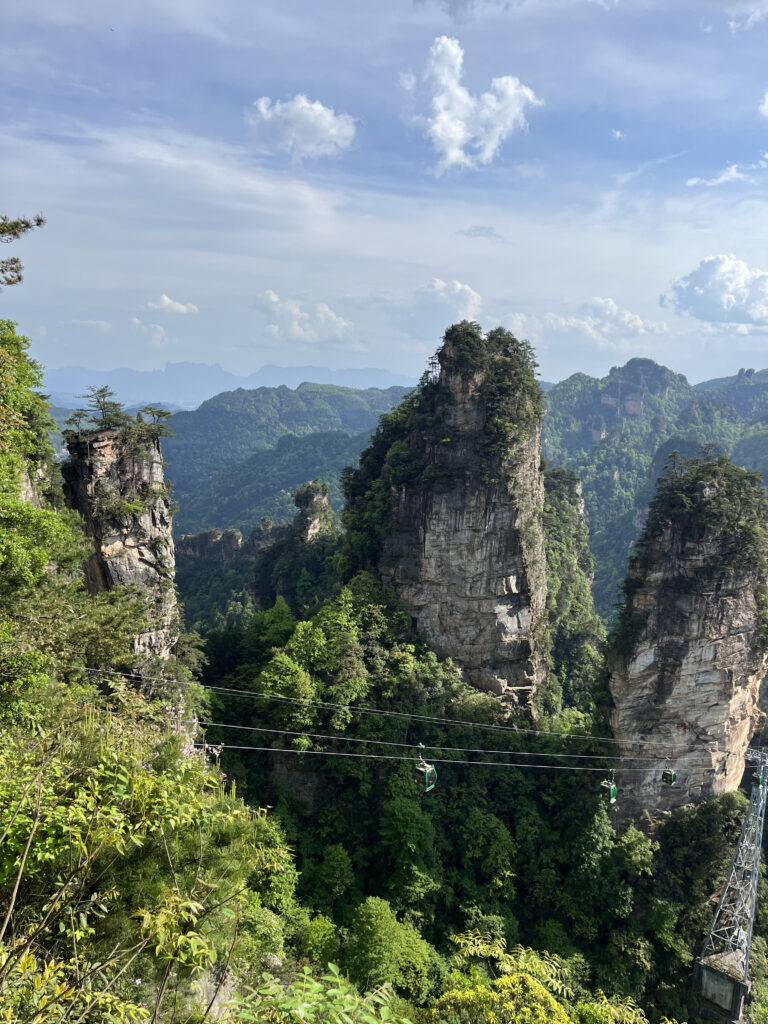
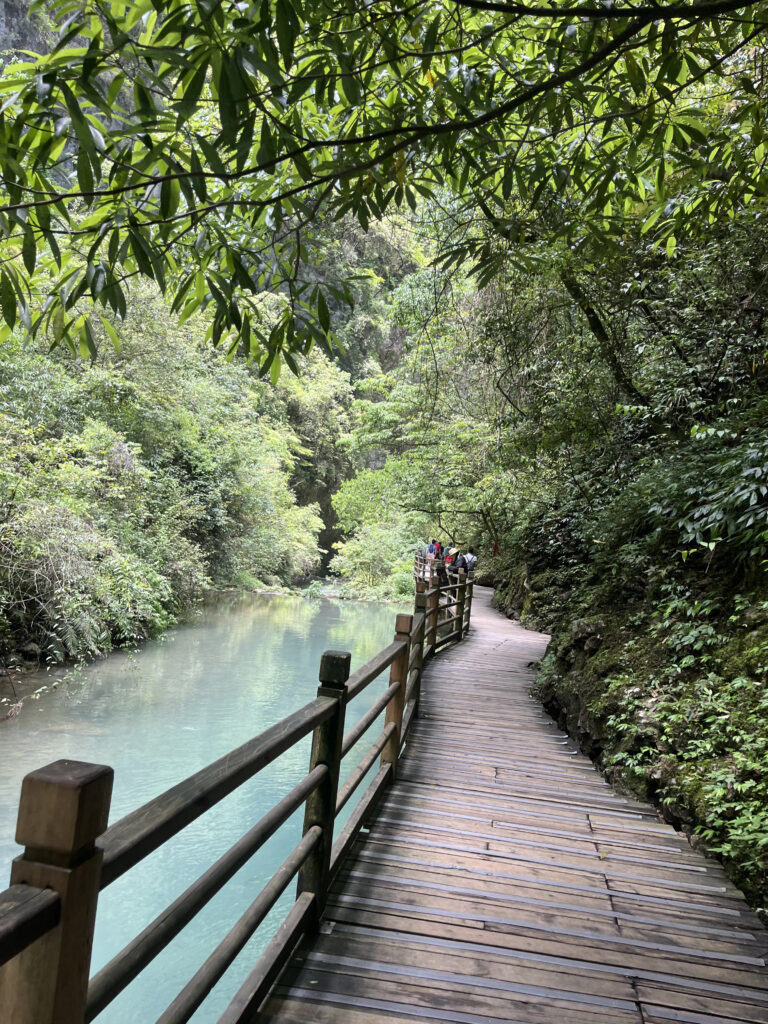
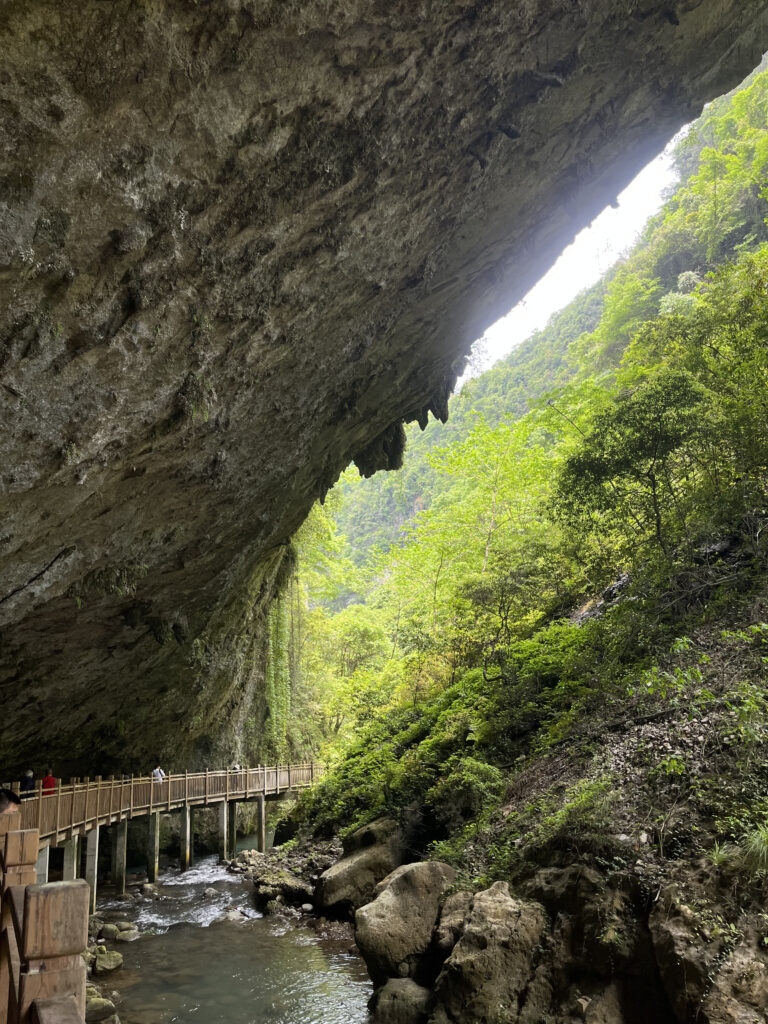
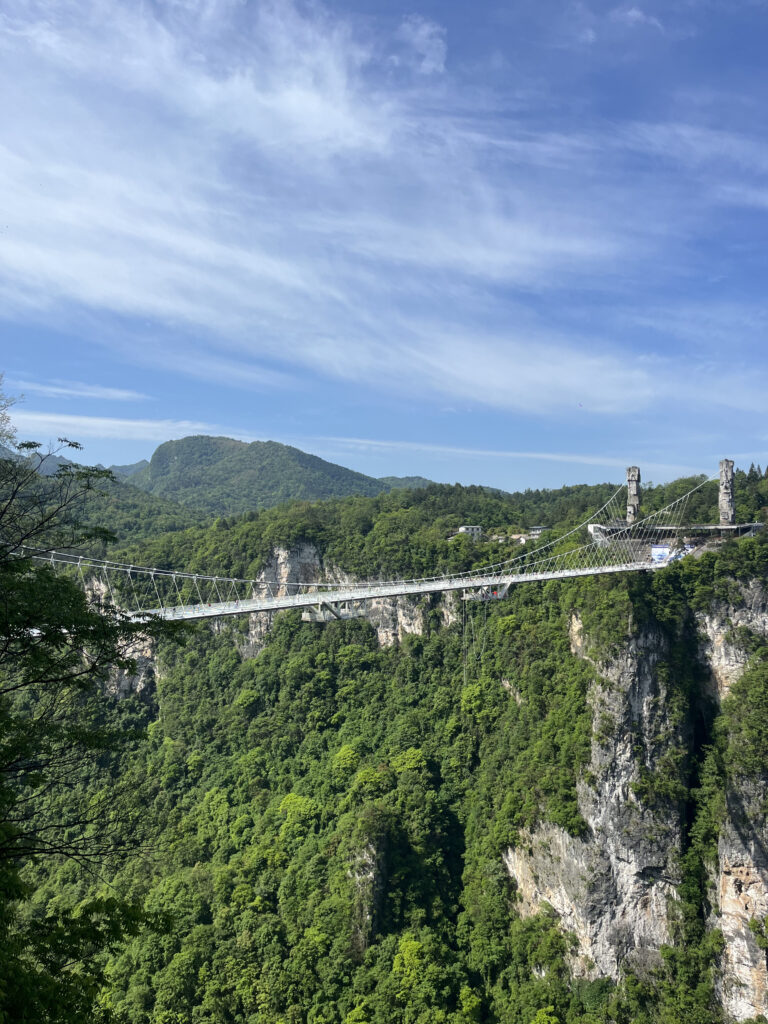
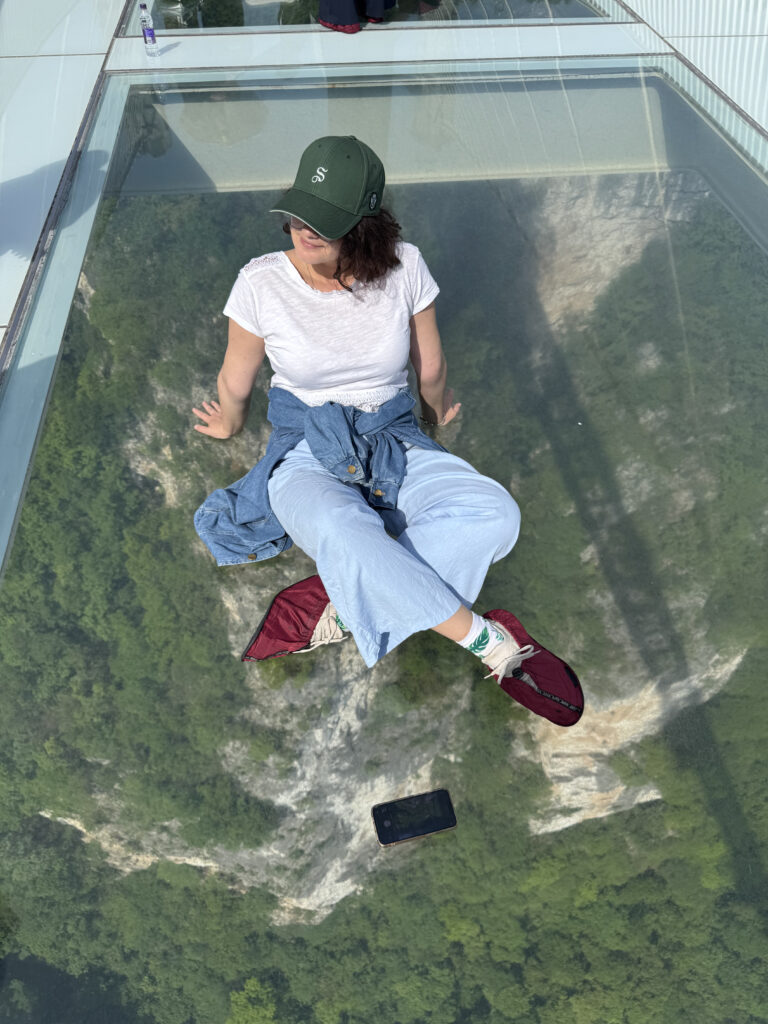
Over two and a half days we explored the park from multiple entrances, wandered around Wulingyuan Tourist Town, crossed the breathtaking glass bridge, rode a zipline, and admired one of the most beautiful turquoise rivers I’ve ever seen. We deliberately skipped Tianmen Mountain and its famous Heaven’s Gate. Why? I explain that decision in my detailed guide.
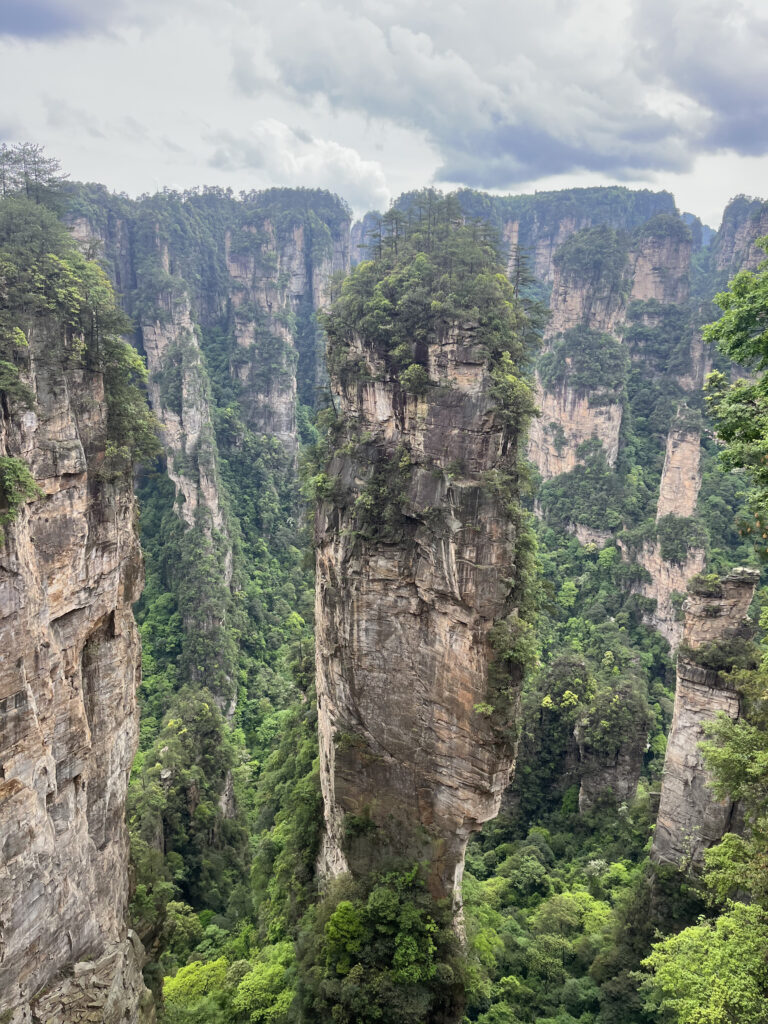
Furong Ancient Town
From Zhangjiajie, continue to Furong Ancient Town famous for ita waterfalls. You can get there by high-speed train in just 20 minutes, or by taxi in about an hour and a half. My full Furong guide is available here.
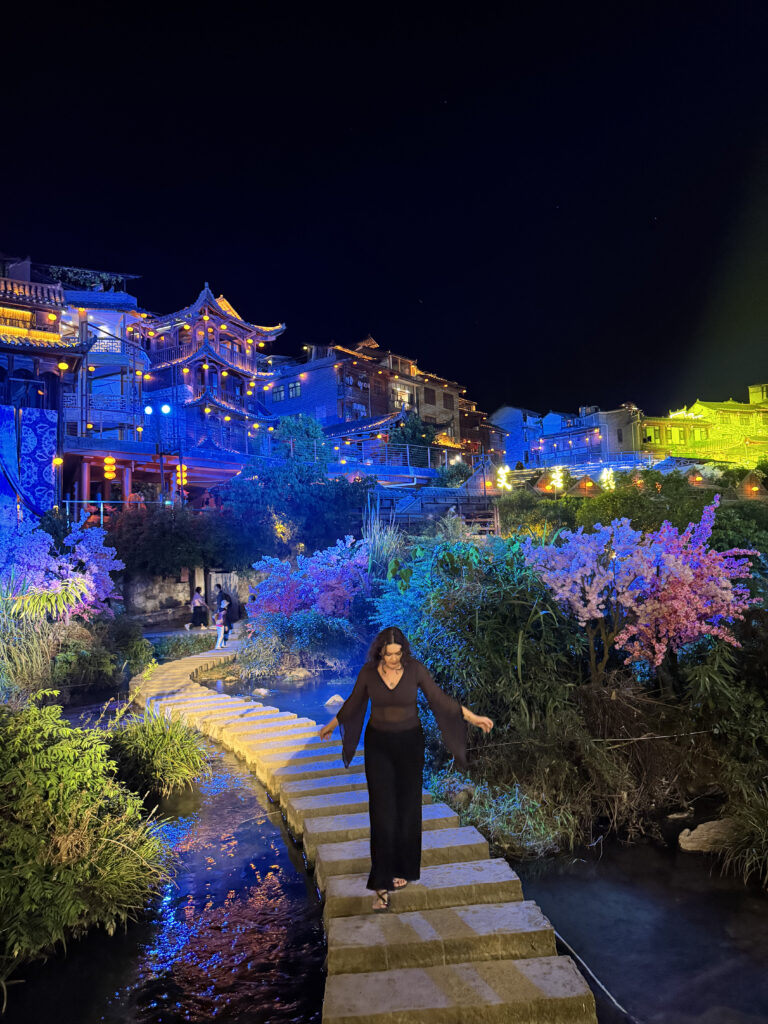
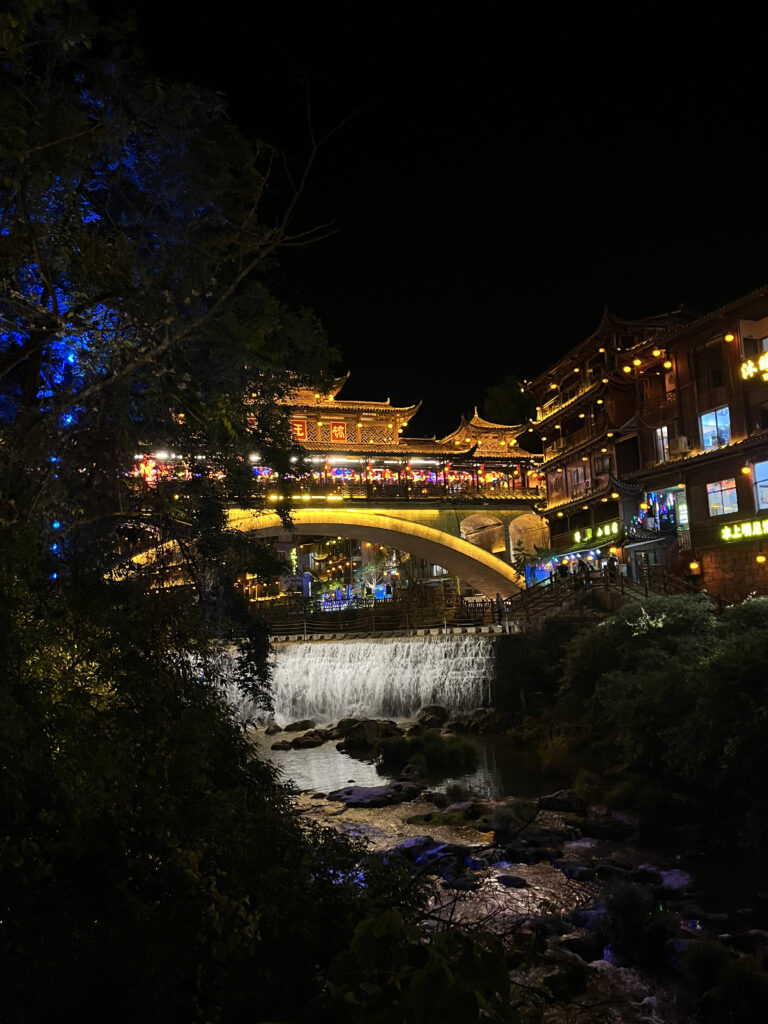
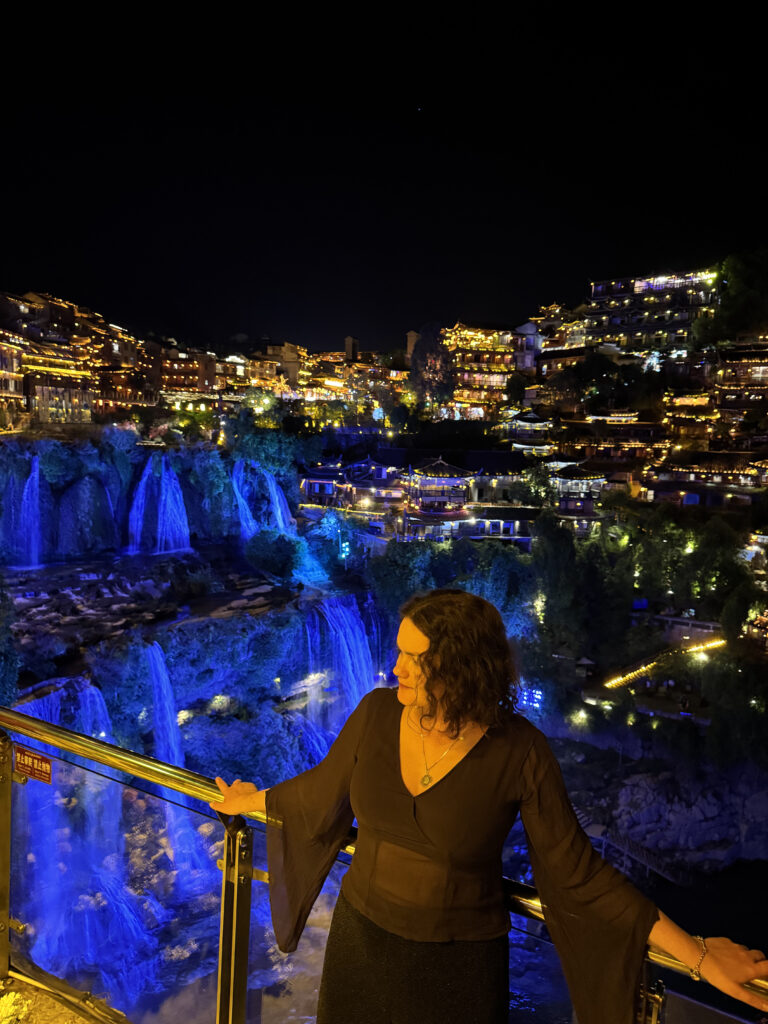
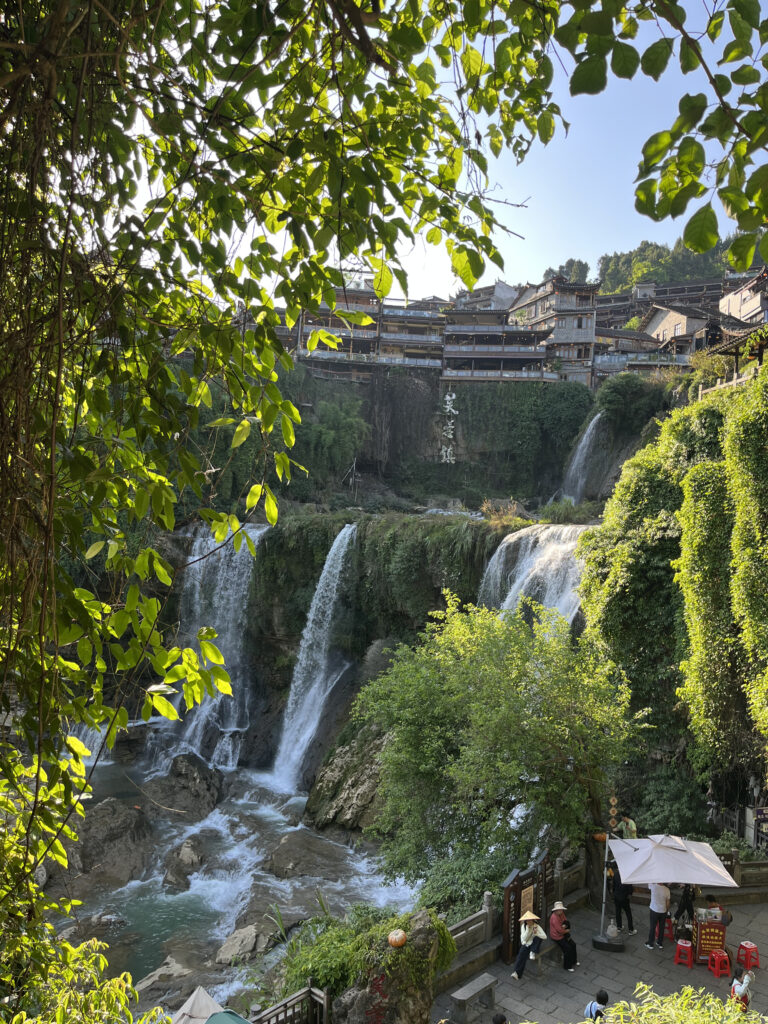
Furong feels like something straight out of a fantasy film. Spend the afternoon watching immersive cultural performances and exploring the waterfalls that flow directly through the ancient town. The next morning, board another train—this time heading for Chongqing, our final destination.
Chongqing
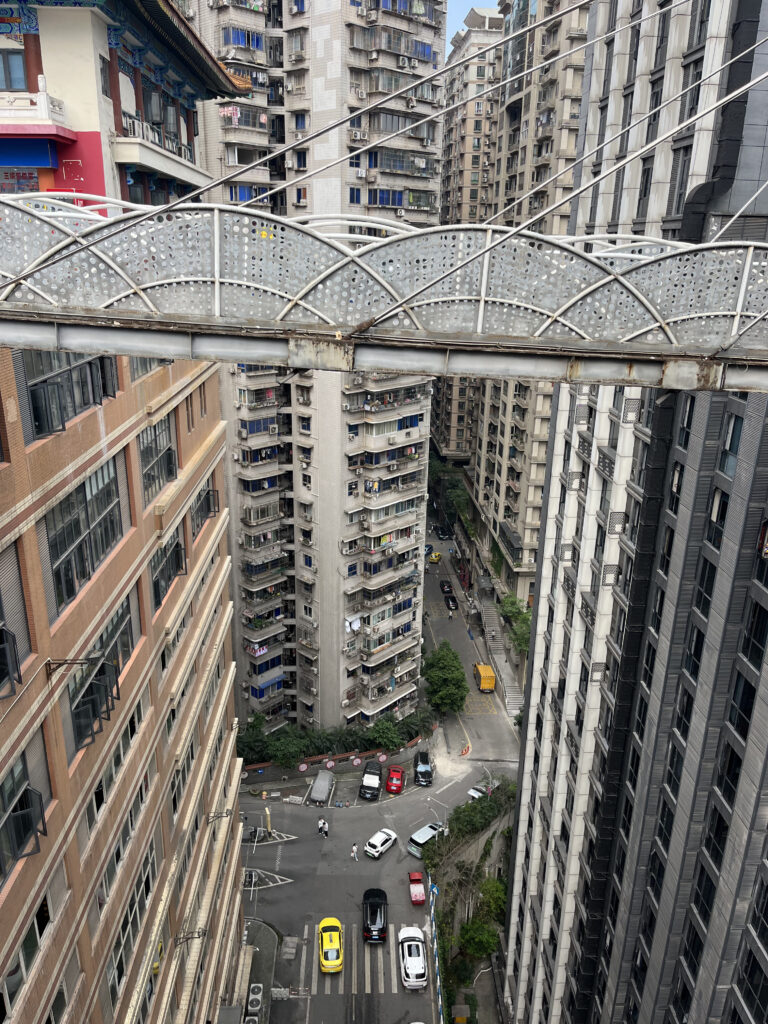
Welcome to China’s cyberpunk capital. A city that looks like an urban planner’s worst nightmare. A multi-level megacity with what locals jokingly call 8D architecture. I’ve written a complete Chongqing guide, but here’s how I’d spend two and a half days. Stay near Jiefangbei, in the heart of the Yuzhong Peninsula. Yes, it’ll be crowded. But in Chongqing, being able to walk to major attractions is almost a miracle. Start with the Arhat Temple, a peaceful Buddhist temple hidden among skyscrapers. If time allows, visit the Museum of Contemporary Art.
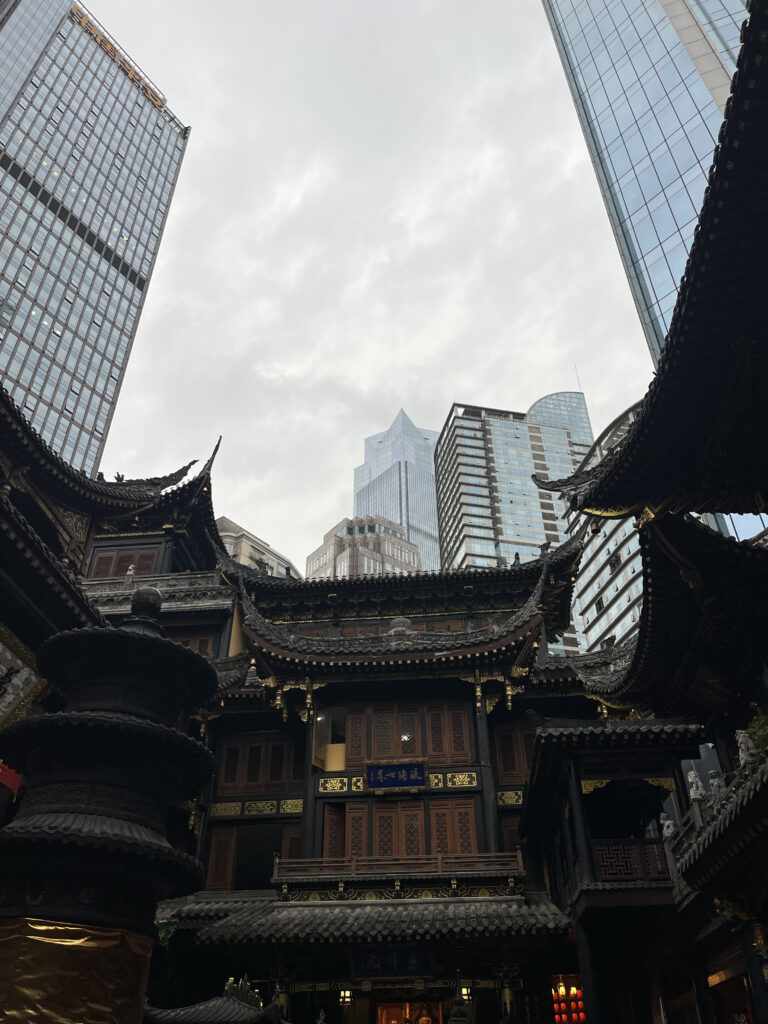
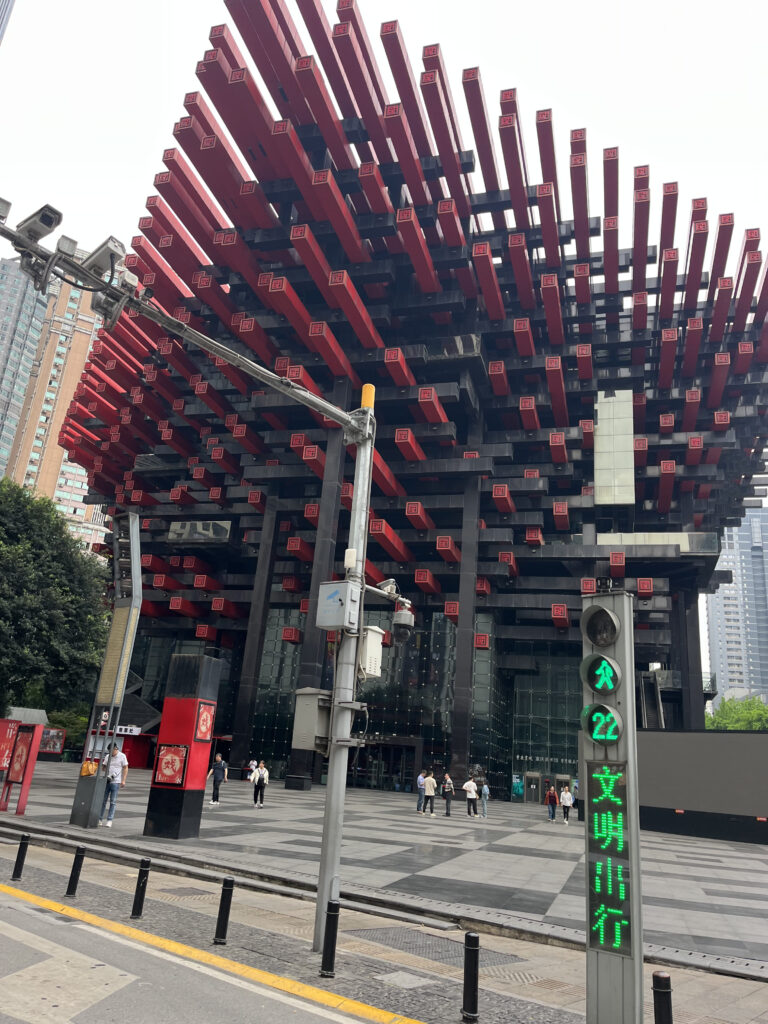
We only admired it from the outside because another attraction demanded our attention—Kuixinglou Square, a place that somehow exists simultaneously on the 1st and the 22nd floor. Multi-level architecture combined with a fever dream.
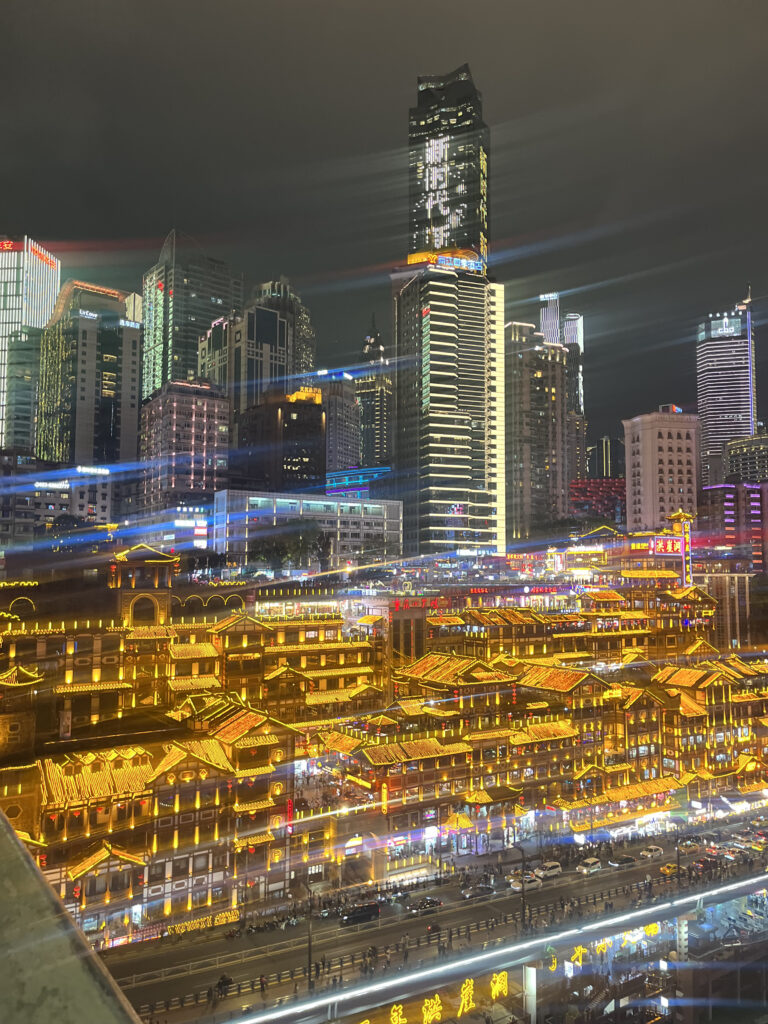
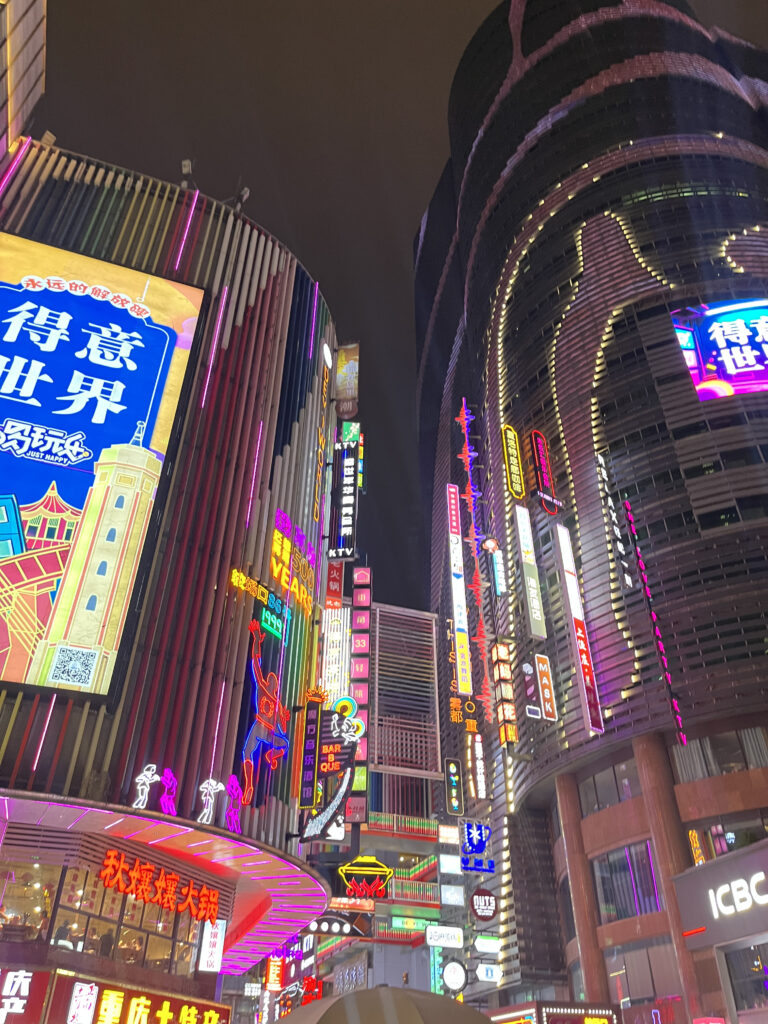
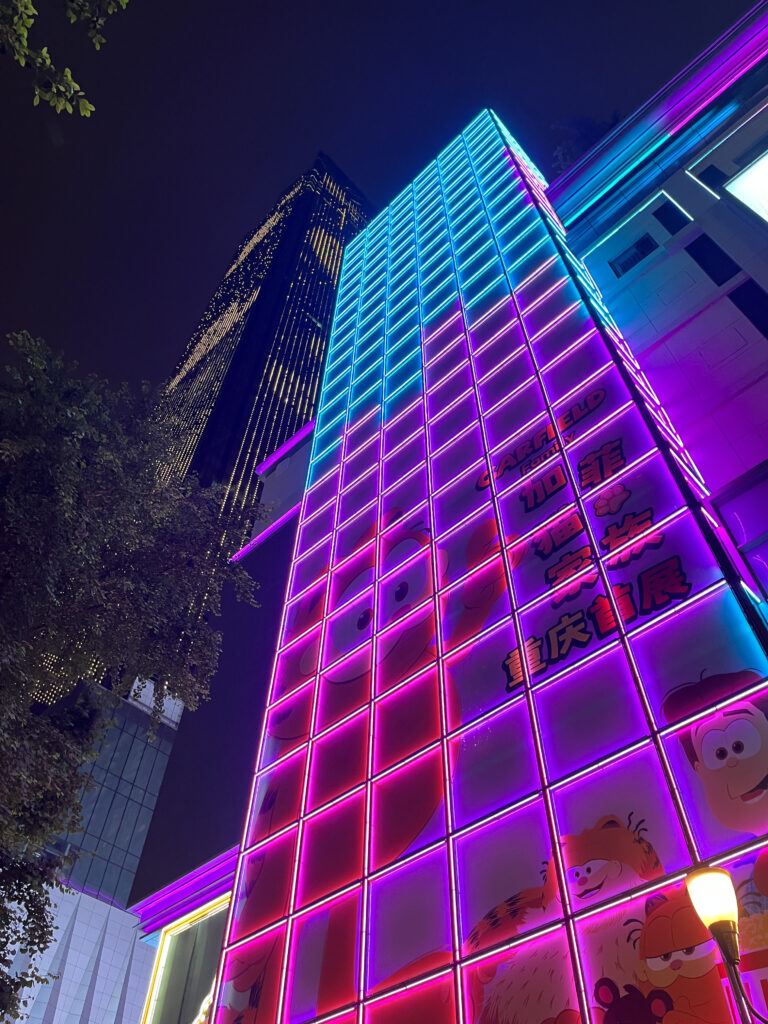
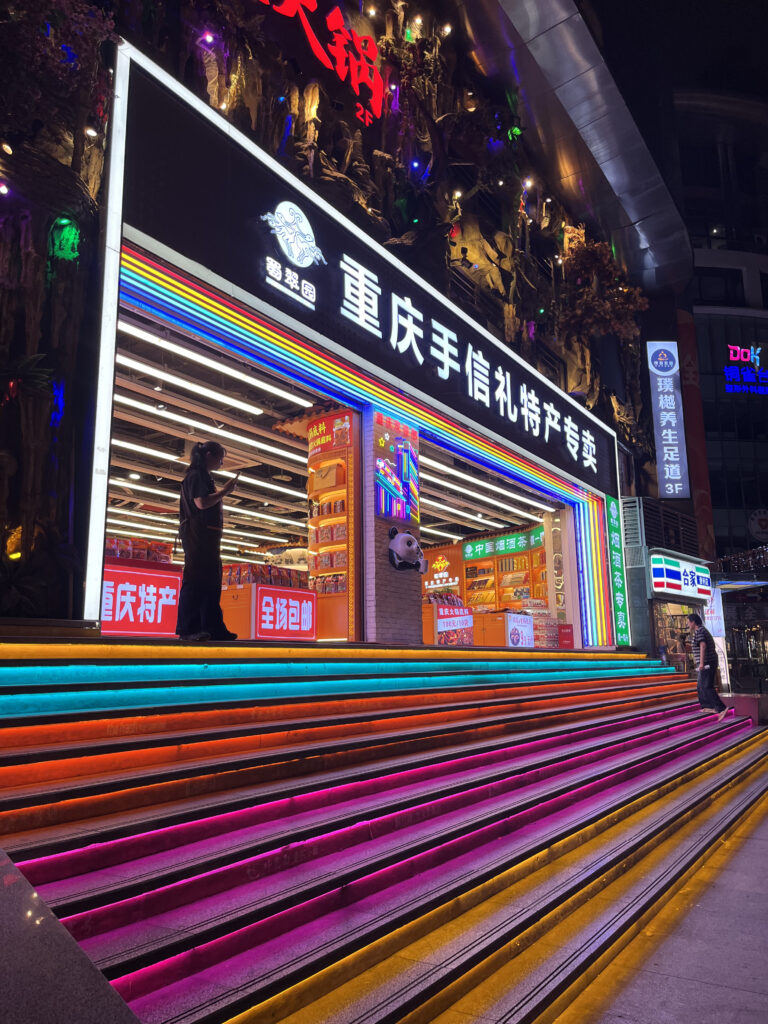
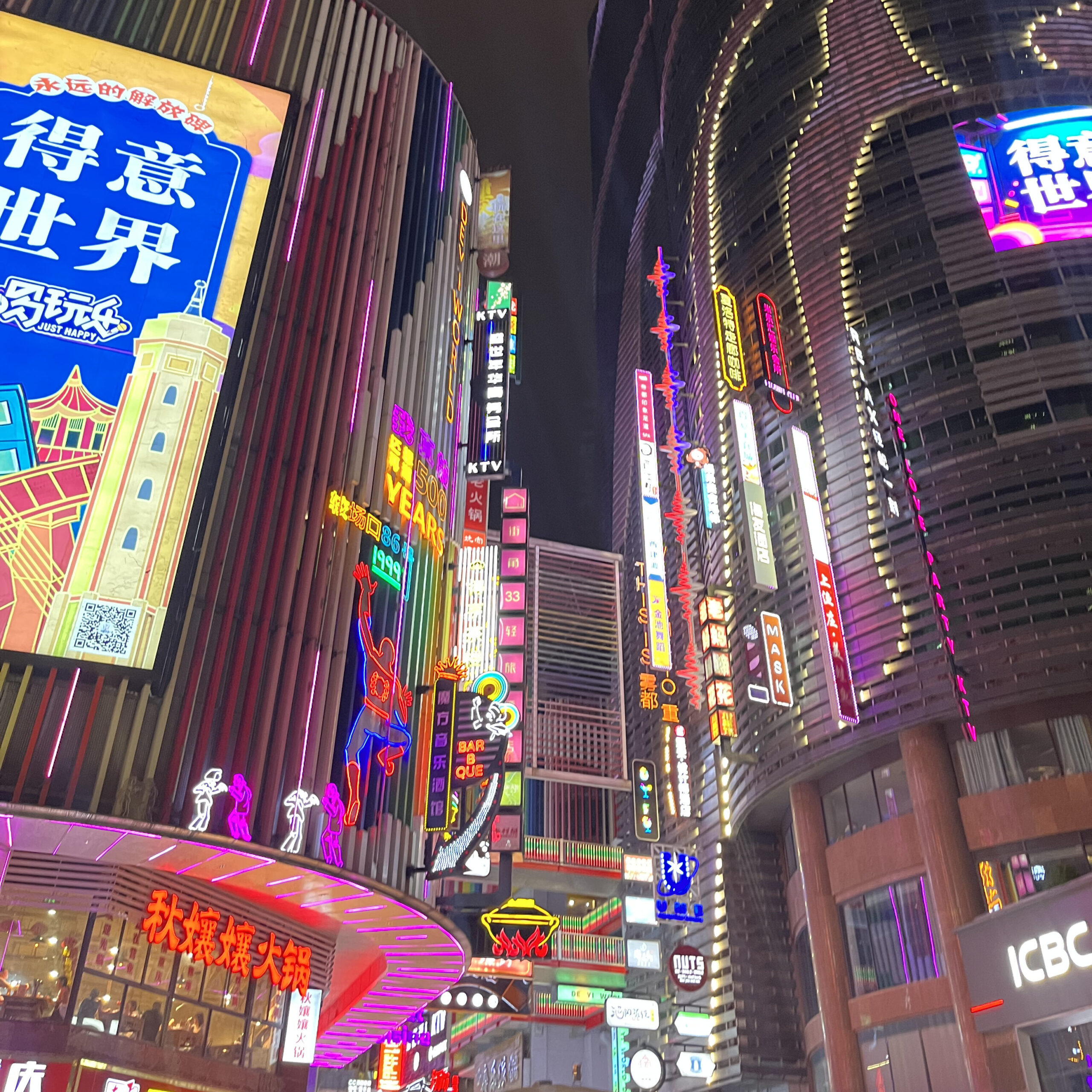
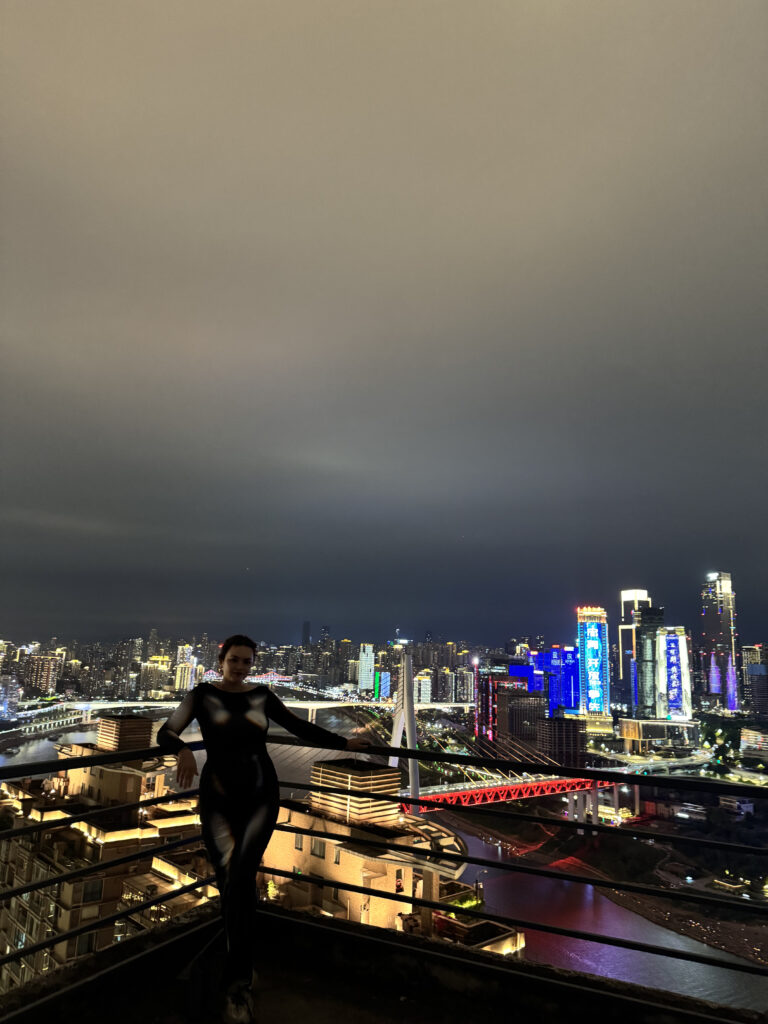
After sunset, head to Hongyadong, the city’s famous “Ghost City.” The best view is from the bridge once darkness falls. Why is it called the Ghost City? I explain the story in my full Chongqing guide. At night, Chongqing becomes peak cyberpunk. Neon reflections cover every building, but nowhere captures that atmosphere better than Deyi World. Just don’t arrive too late—the lights start switching off around 10 p.m.
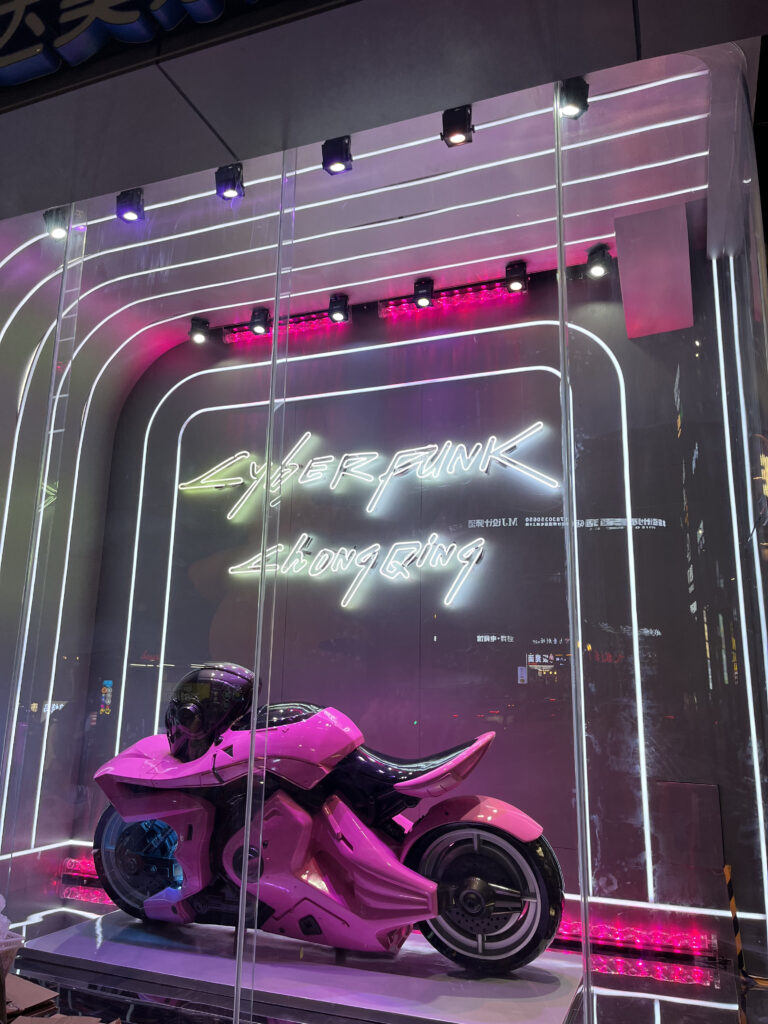
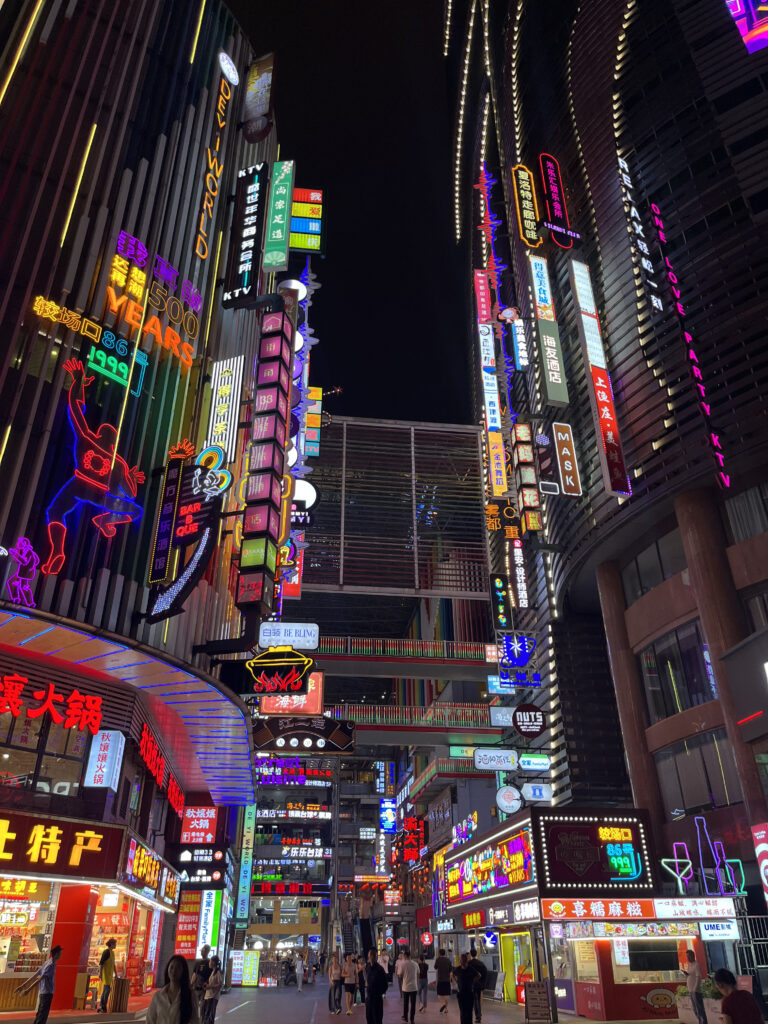
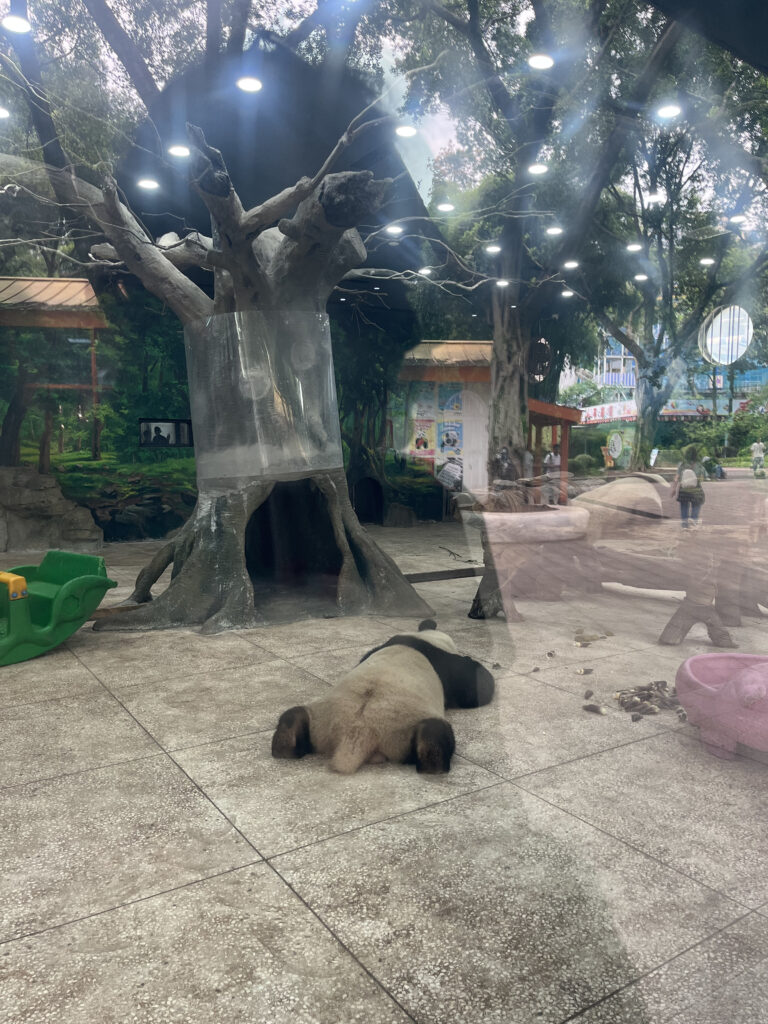
The next morning, wander through the historic Shibati neighbourhood before heading to Chongqing Zoo to meet China’s most famous residents: giant pandas.
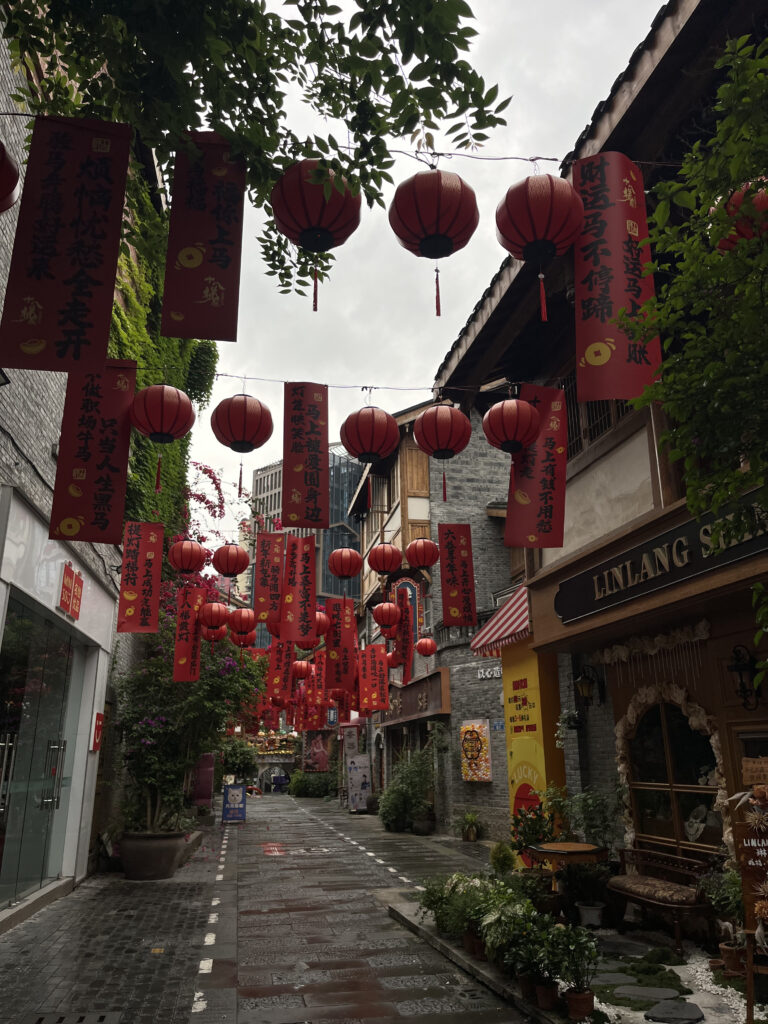
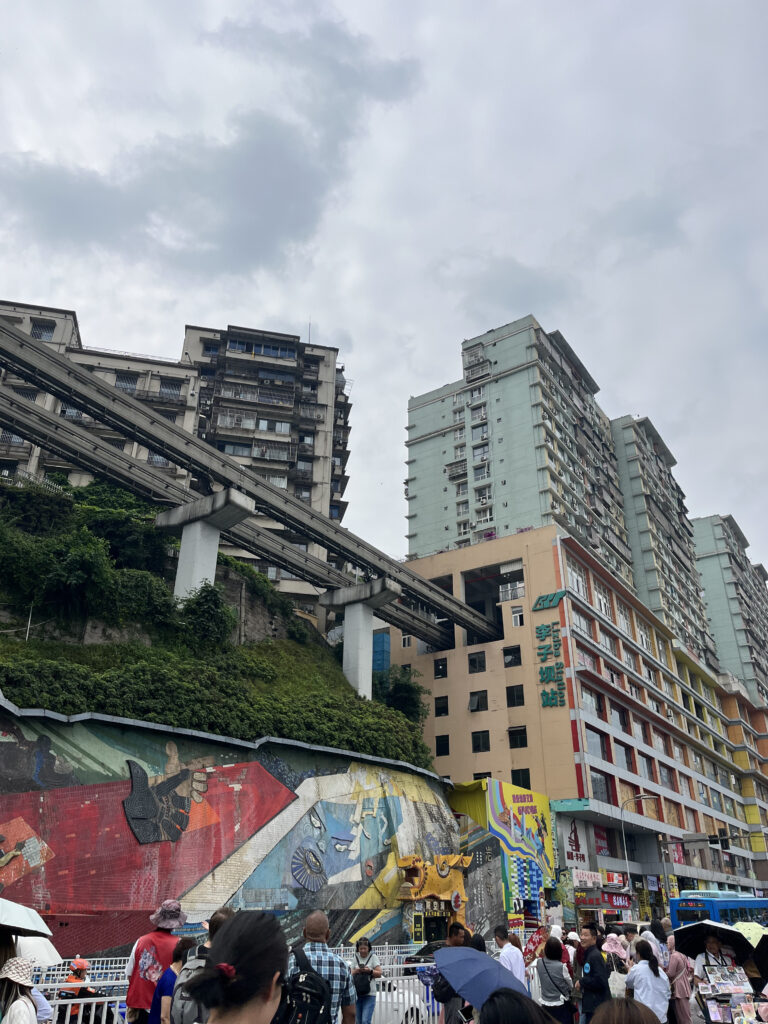
On your way, don’t miss Liziba Station. Yes, that’s the famous metro station where the train passes straight through a residential building. It’s even more surreal in real life.
Later in the day, watch Chongqing 1949, one of the world’s most spectacular immersive theatre productions, performed on a rotating 360-degree stage. Read more on it here.
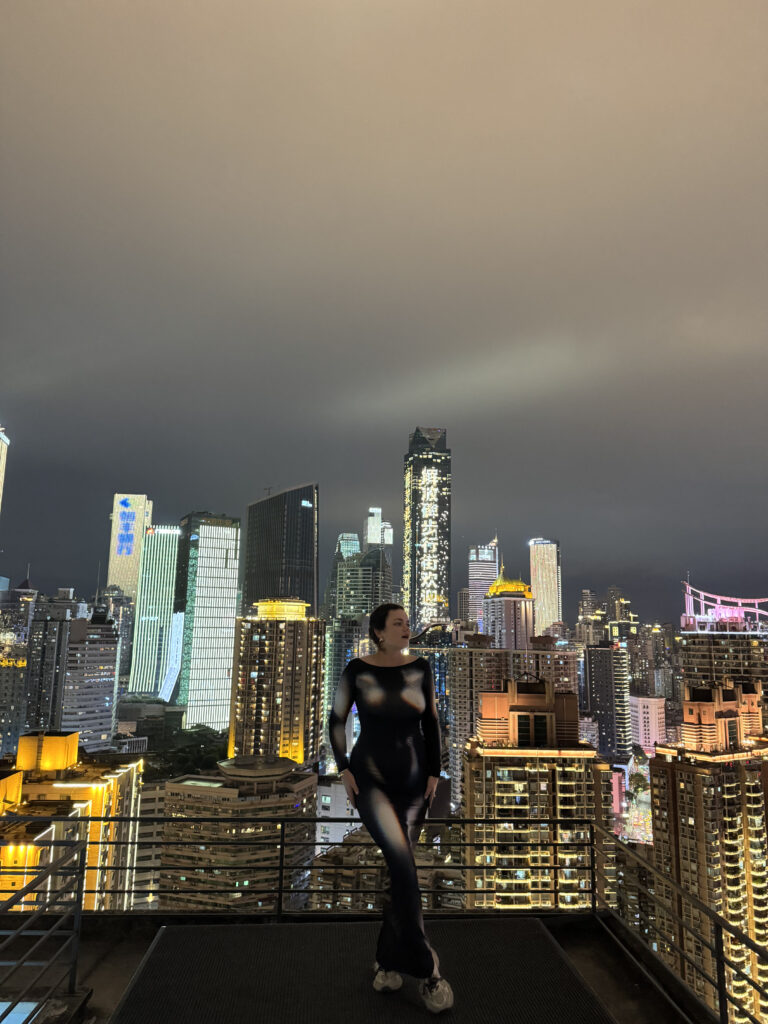
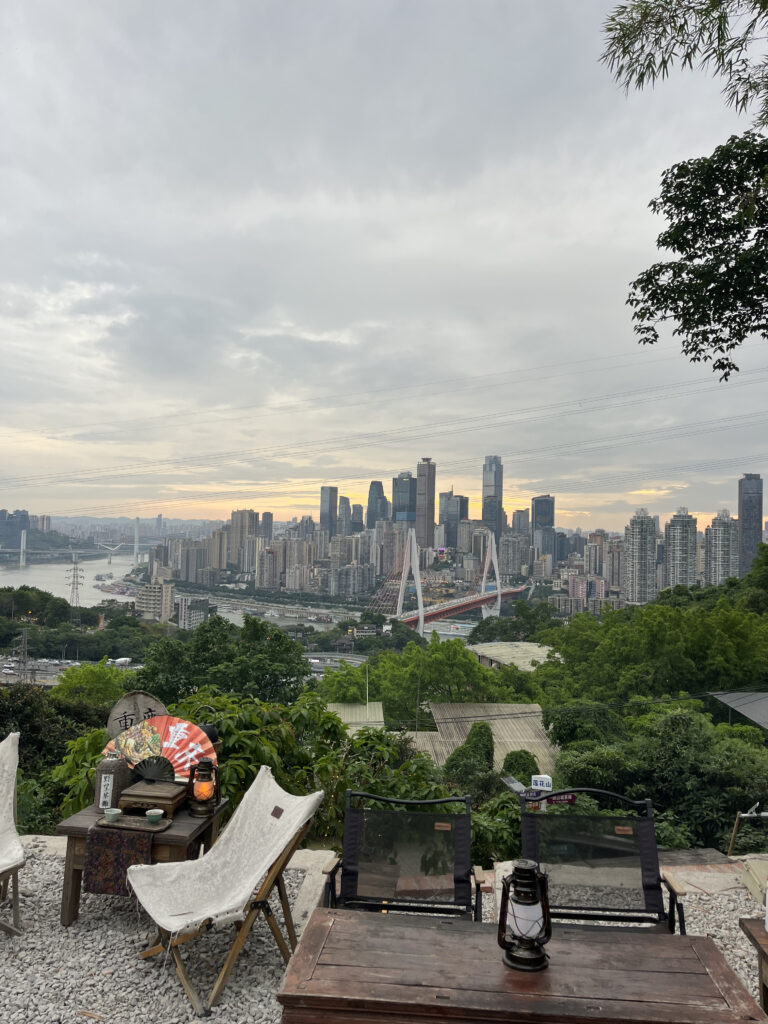
If you still have energy afterwards, finish your trip by watching the sunset from one of the city’s panoramic viewpoints. Then walk among glowing skyscrapers, organise a cyberpunk photoshoot, or find one of Chongqing’s secret rooftops overlooking the endless sea of neon. Just remember, Cinderella— most of the lights go out around 10:30 p.m.
Read all my articles about China and other destinations across Asia here.
More on China:
What to Know Before Travelling to China
China is a country where tradition and innovation blend. Here, millennia-old history and culture intertwine with cutting-edge technology. But despite all this progress, China is an authoritarian country with strict controls, so travelers need to be thoroughly prepared. This article explains what you need to know before your trip.
Shanghai Disneyland Guide
Shanghai Disneyland isn’t for the weak. But is it worth it? Absolutely! Incidentally, it’s the only Disneyland in the world with a Zootopia section. In this article, I’ll tell you about Shanghai Disneyland, how to hit all the rides (and are they worth it?), see all the shows, and visit all the locations without the stress and long waits.
The Most Instagrammable Places in Shanghai
It’s safe to say that Shanghai is one big Instagram location – a green, technologically advanced city, with colonial architecture occasionally visible among the skyscrapers. In this article, I’ll highlight the most beautiful places to visit in Shanghai, all of which, incidentally, are also the city’s main attractions: traditional and art districts, boutique streets, and observation decks.
Zhangjiajie National Park and the Grand Canyon Glass Bridge
The famous park that inspired the creators of “Avatar” looks like one of the modern wonders of the world. This article explains how to buy tickets, where to stay, and what to see besides the mountains.
The magical village of Furong near the waterfalls
Hunan Province is famous not only for Zhangjiajie National Park but also for the ancient Chinese town of Furong, built around a waterfall. We learned about it thanks to viral Instagram videos and decided to see if it’s really that beautiful. In this article, I’ll tell you how to get there, where to stay, and what else to do besides admiring the waterfalls.
Chongqing Guide
Chongqing is a cyberpunk city, an urbanist’s nightmare, a multi-level metropolis with 8D architecture (what? Yeah!). It’s considered the largest metropolis in the world, with an area comparable to Austria and a population of approximately 32 million. It’s not for everyone. Read on and decide.