


The Most Instagrammable Places in Shanghai
You could easily say that Shanghai itself is one giant Instagram spot. It’s green, futuristic, and full of striking skyscrapers, with glimpses of colonial architecture peeking through in between. You can read about my full 10-day China itinerary. In this article, I’m sharing the most photogenic places in Shanghai—which also happen to be many of the city’s main attractions.
The Bund & Shanghai Skyline
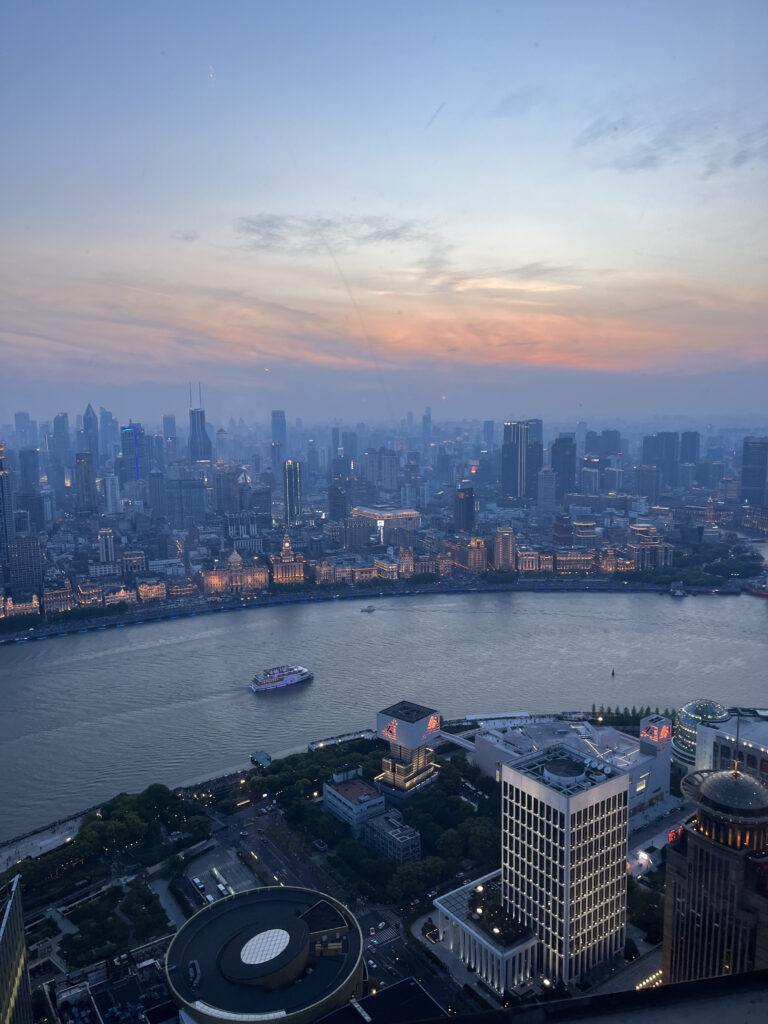
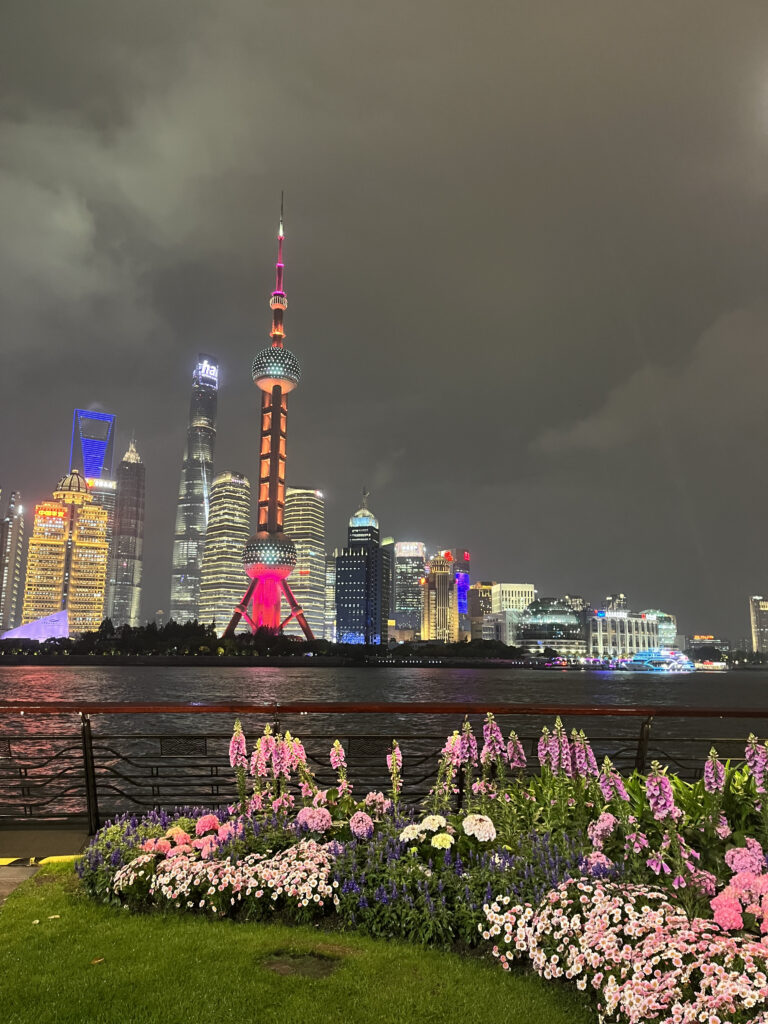
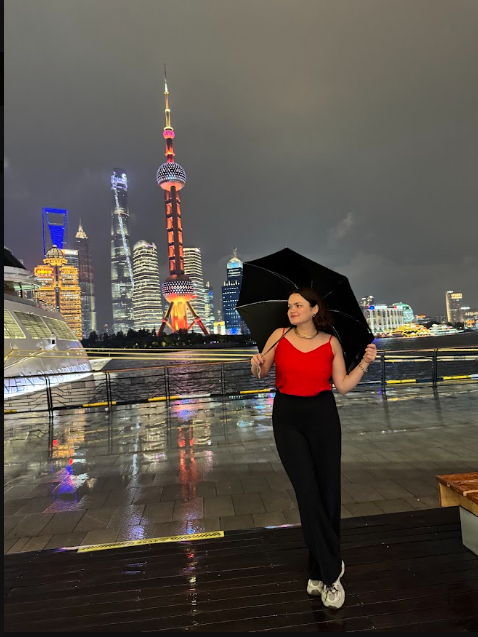
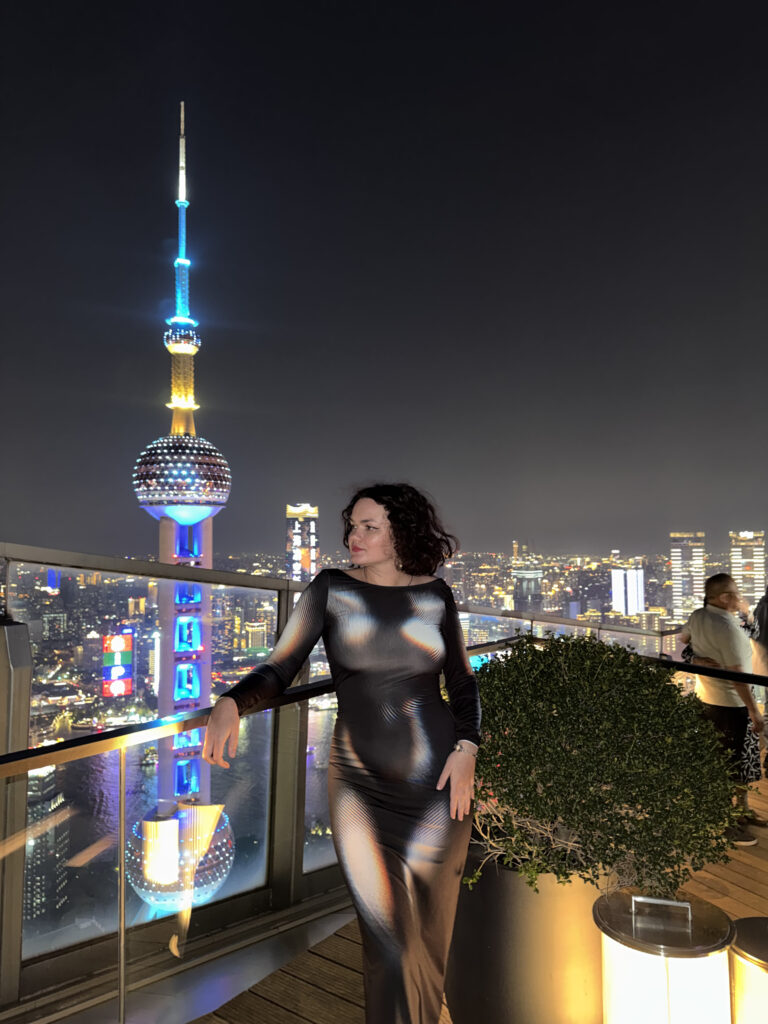
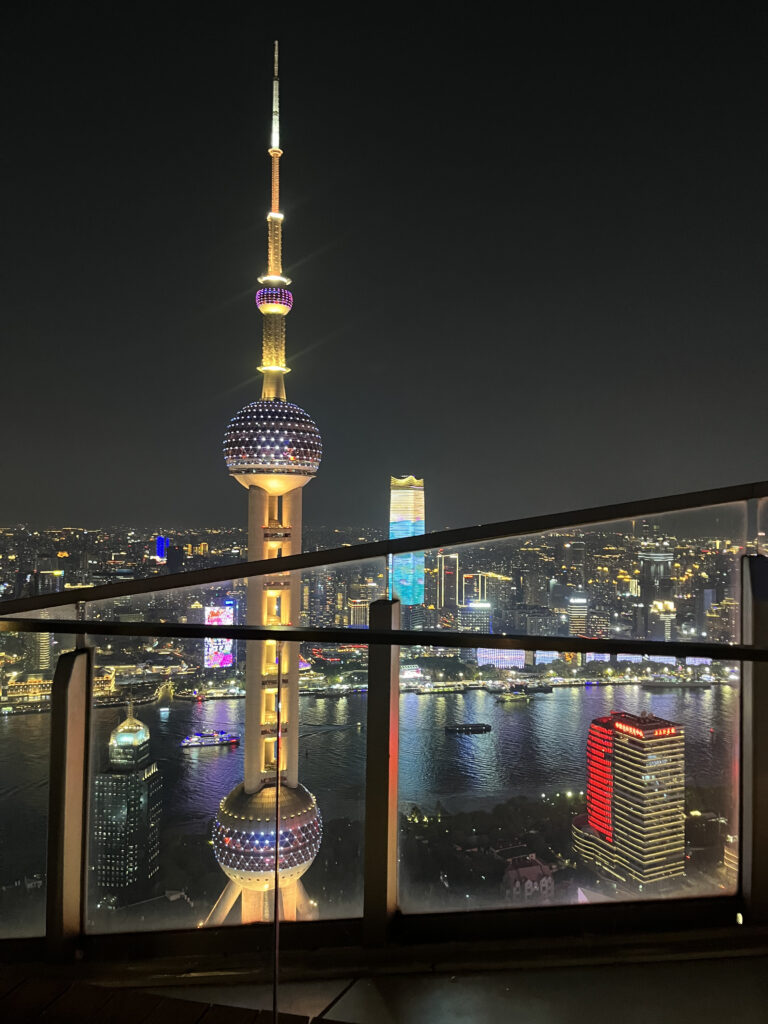
Let’s start with Shanghai’s postcard view: The Bund (Waitan), overlooking the iconic Oriental Pearl Tower. The waterfront lights up every evening, and watching the city switch on around 6:00 PM is an attraction in itself. But here’s my advice: don’t stay at the main promenade. It’s packed with tourists, and as you probably know by now… we don’t like other tourists. Instead, head a little further north to North Bund Green Land. The park is much quieter, greener, and in my opinion offers an even better view of the skyline. Wait until it gets dark, then grab a coffee from Manner Coffee, where everyone films that famous Shanghai coffee trend. Wondering which one? This one.
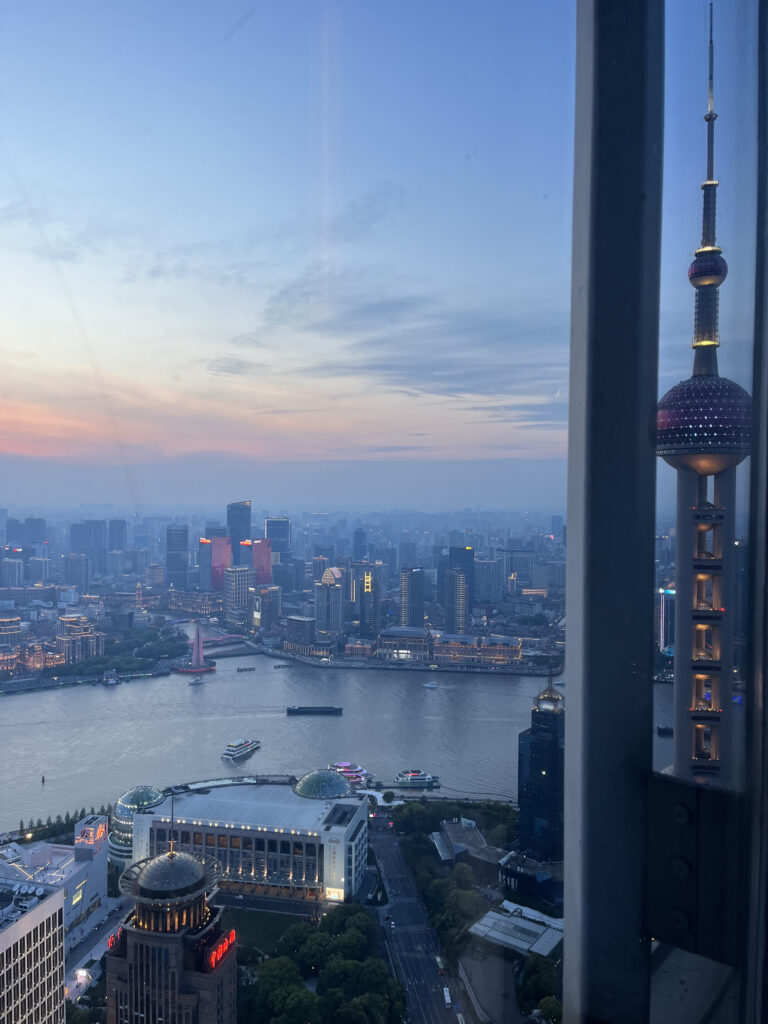
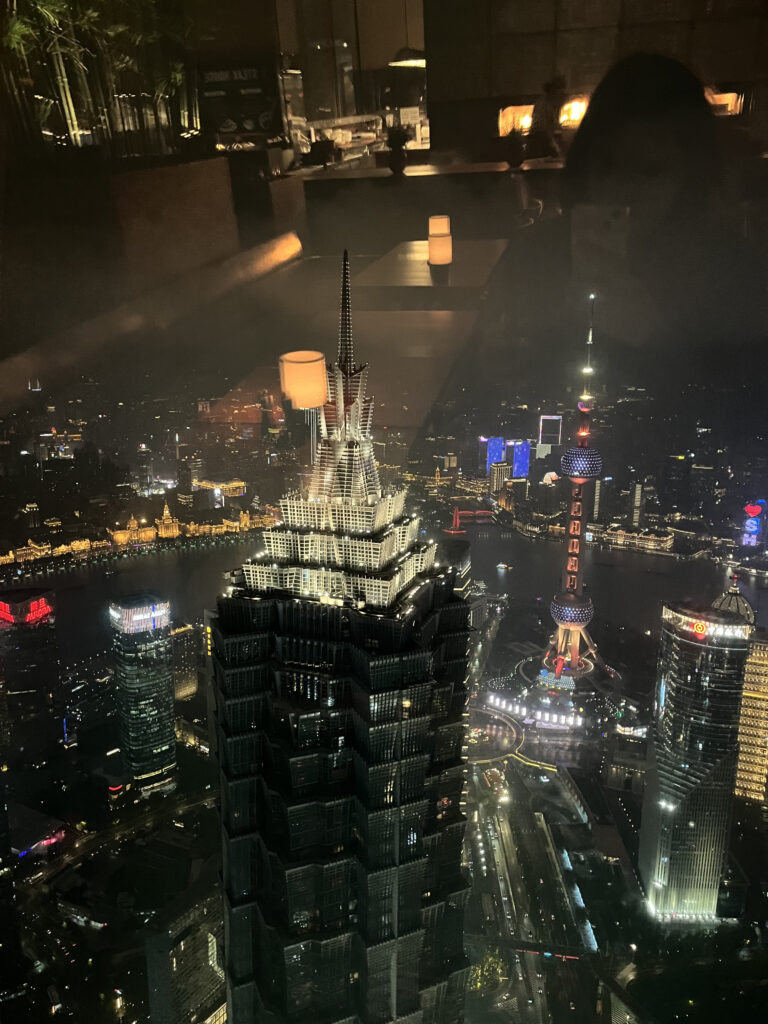
If you’d rather watch the sunset from above, cross the river to Pudong. Feeling fancy? Head up to the 91st–93rd floors of the Grand Hyatt and spend an unreasonable amount of money on dinner with a spectacular skyline view. A slightly more relaxed option is Flair Rooftop, where you can enjoy sunset cocktails overlooking Shanghai—but if you want one of the good tables, be prepared for a hefty minimum spend. Also, I had the most expensive beer of my life in one of these bars.
Yu Garden & Nanshi Old Town
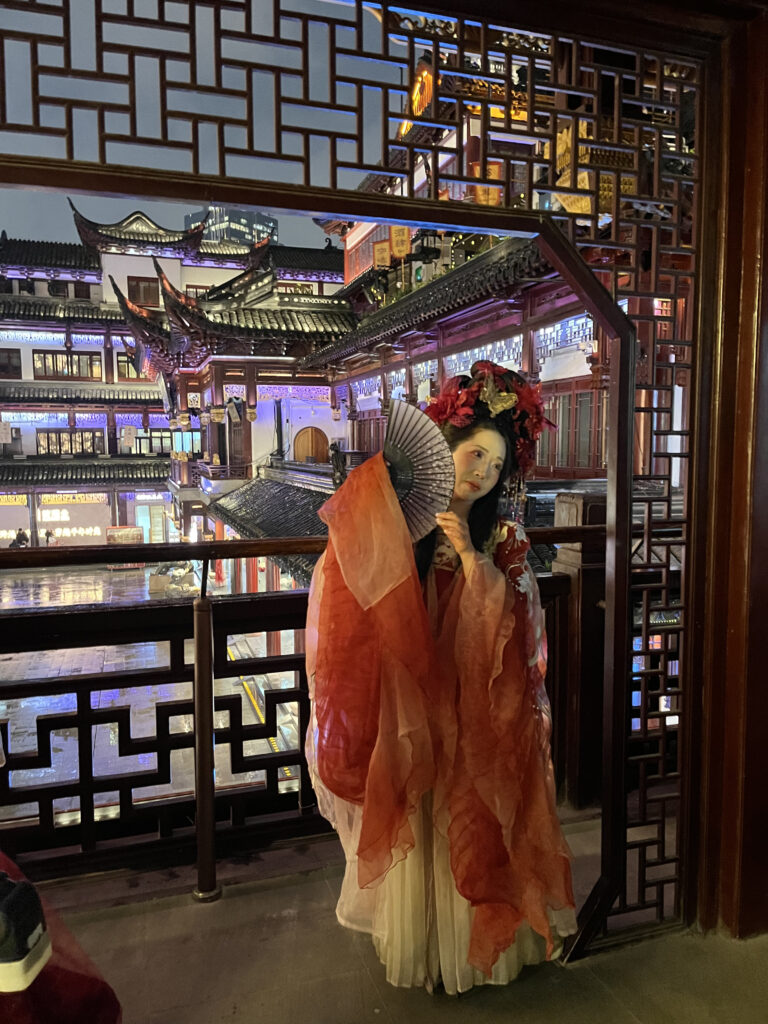
For the first time ever, rain actually improved a trip instead of ruining it. Not only did it scare away the crowds, but it also gave Yu Garden and Nanshi Old Town an almost magical atmosphere. Visit Yu Garden while it’s still daylight. Wander through the traditional gardens, admire the mist rising above the ponds filled with lotus lanterns, and enjoy a rare moment of peace in Shanghai.
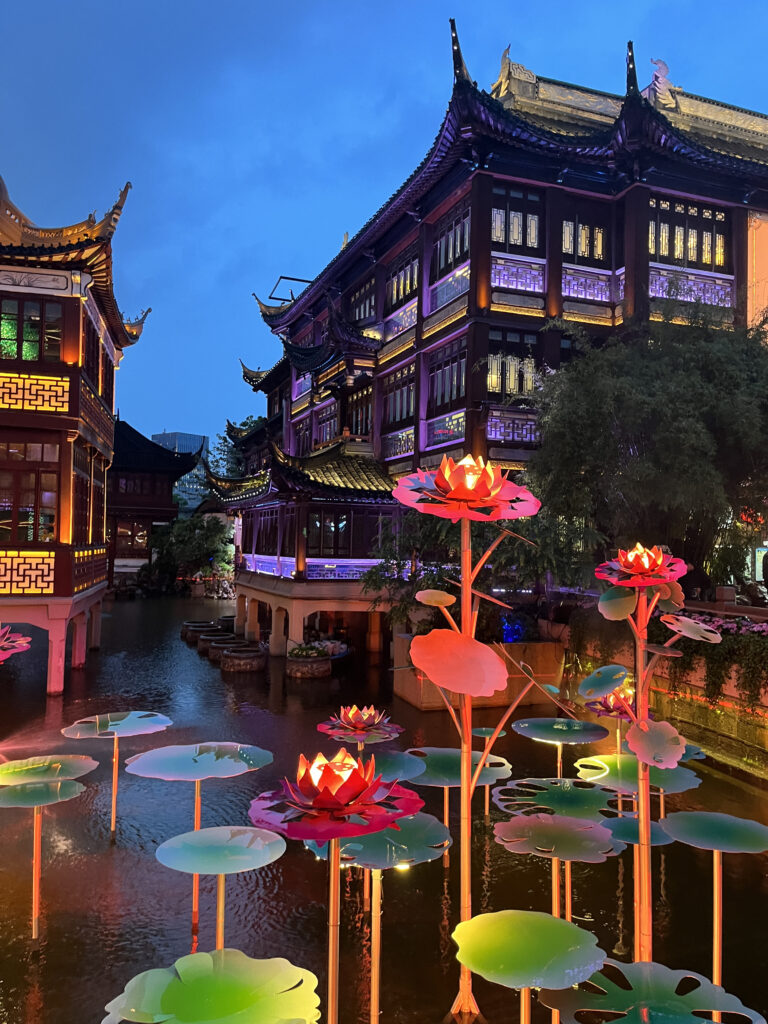
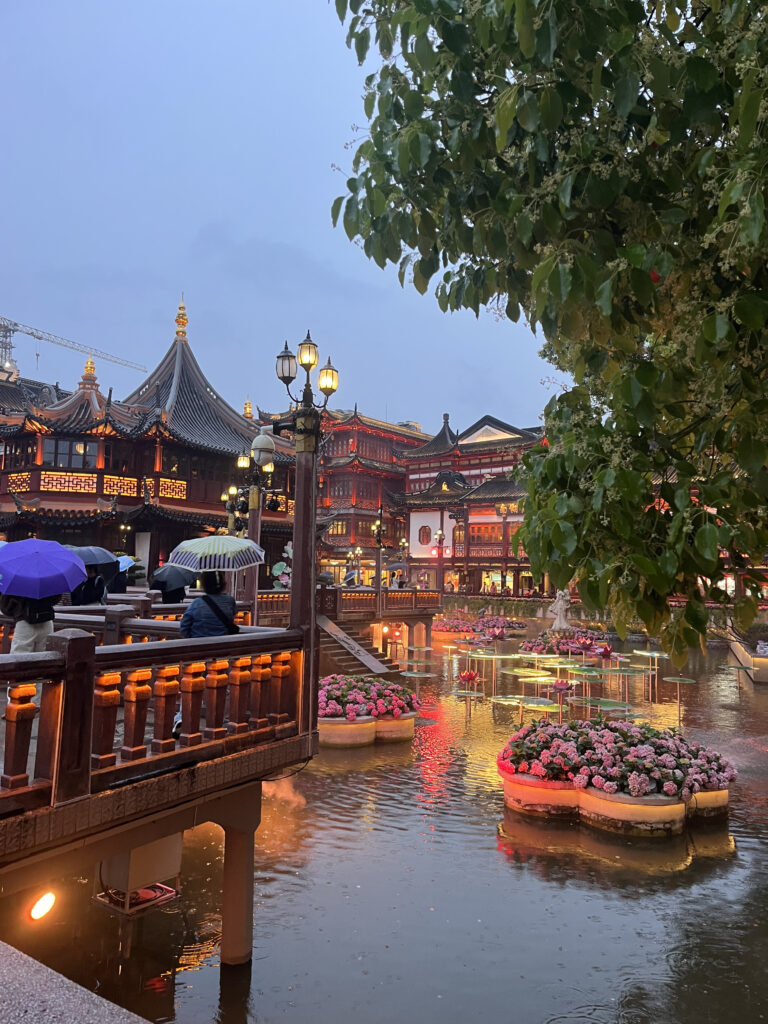
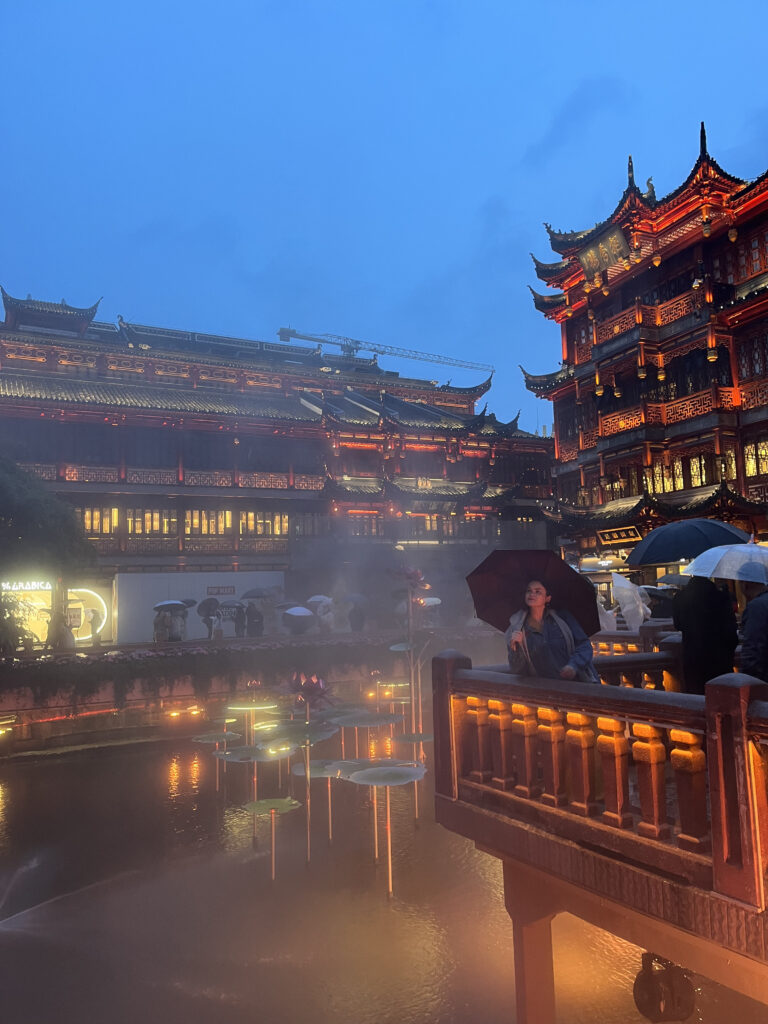
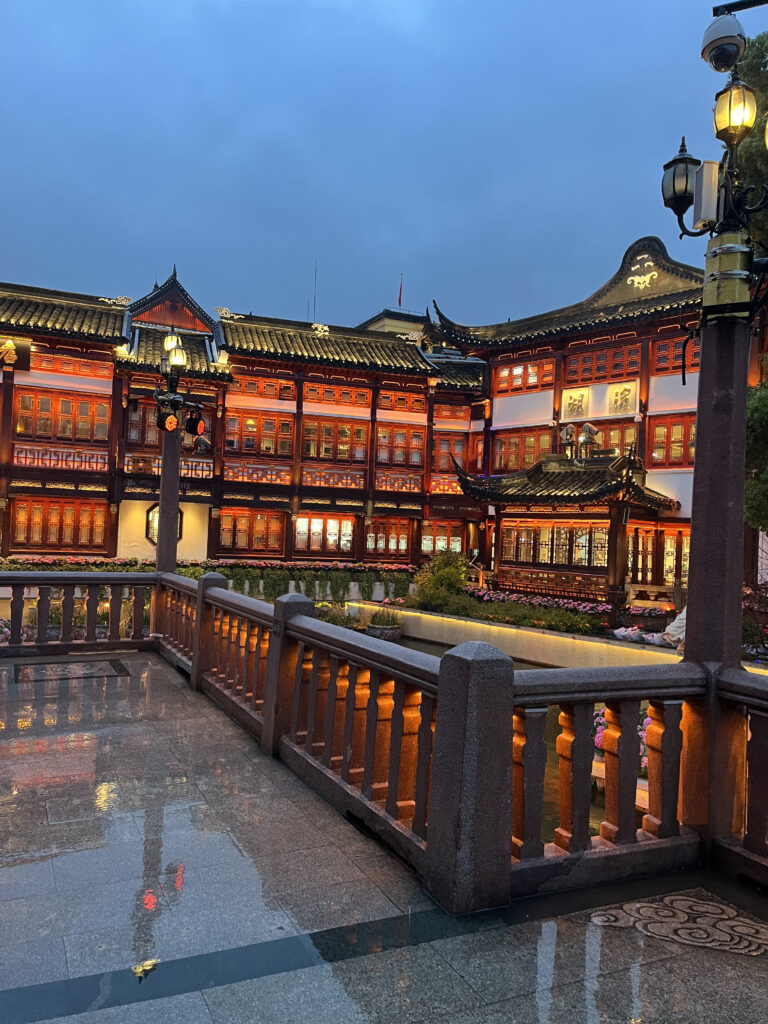
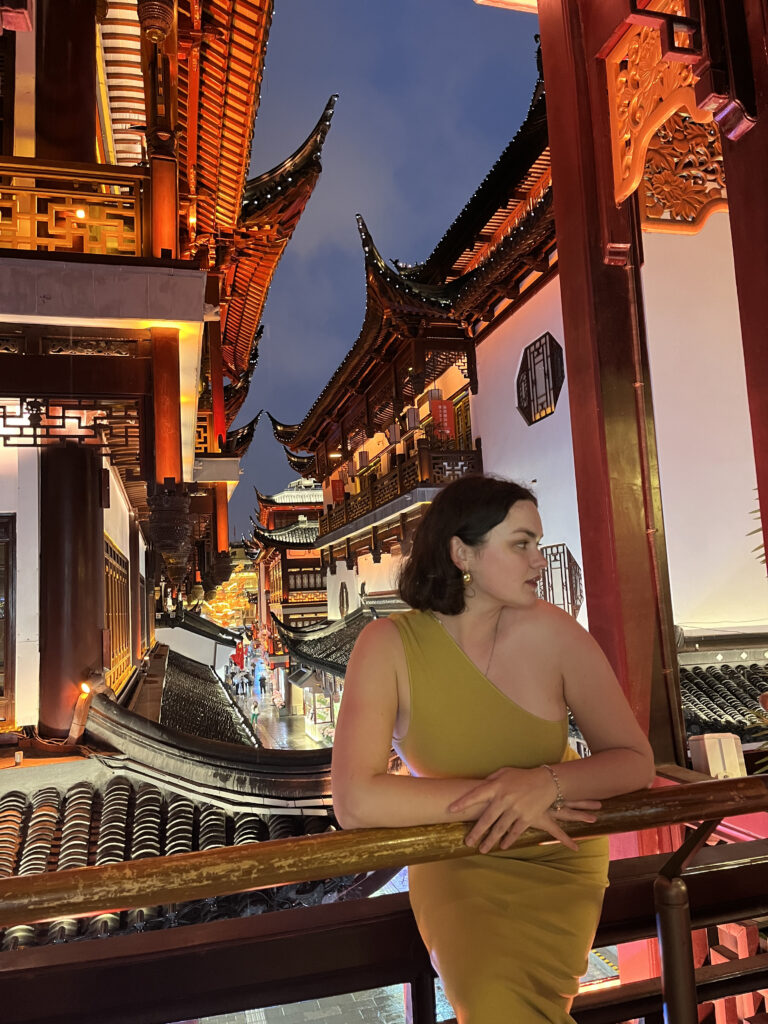
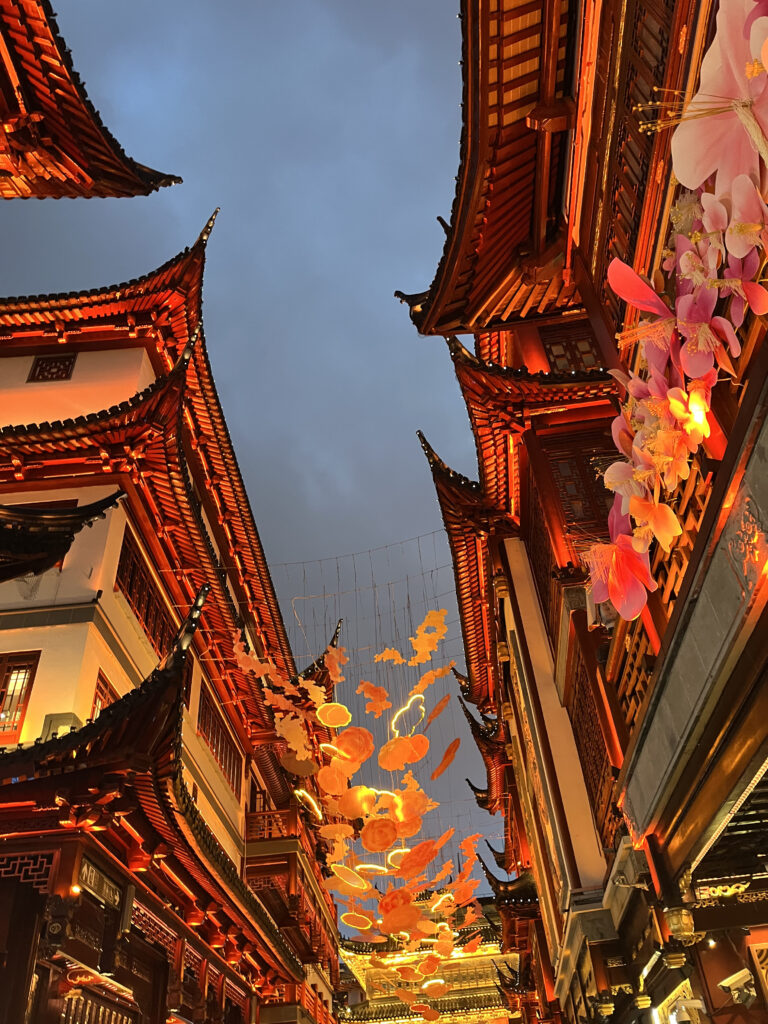
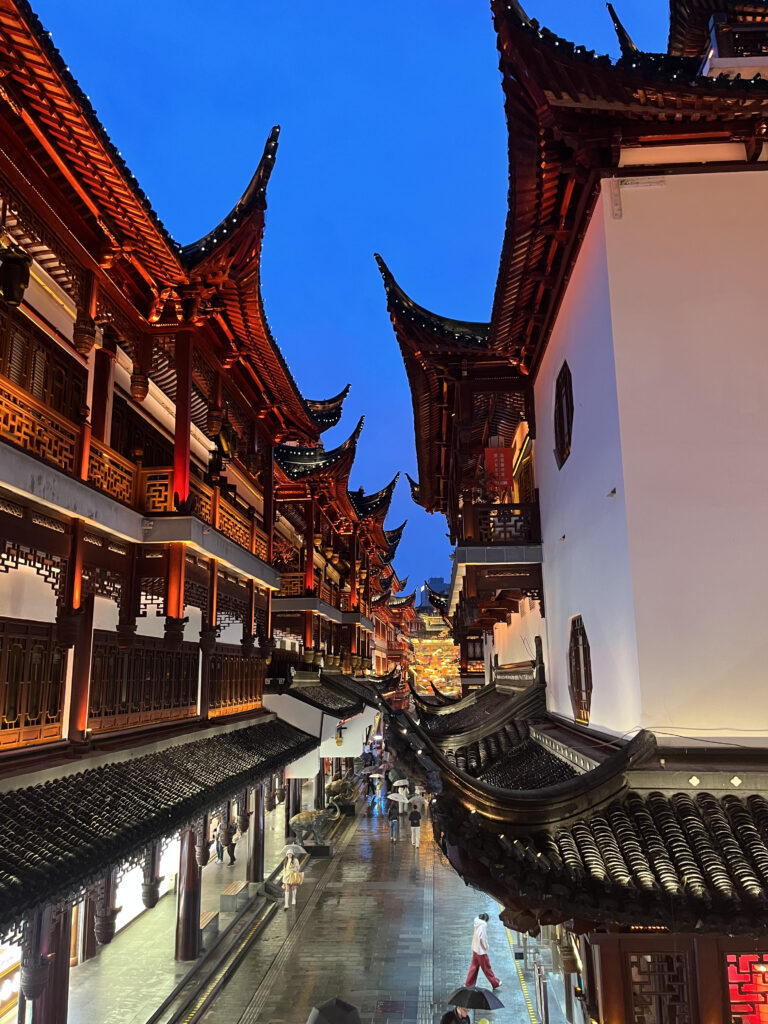
Once darkness falls, head into Nanshi Old Town. Whether it’s truly “old” is another question, but the district is beautifully designed in traditional Chinese style. The pagodas glow at night, souvenir shops line every street, and there’s no shortage of local snacks. Normally, you can barely move through these streets because of the crowds, but the rain worked in our favour once again. You can also climb into one of the traditional buildings—we wandered into a shopping centre—and photograph the old town from above. Or go all in and book a professional Chinese-style photoshoot.
Huangpu District & Nanjing Road
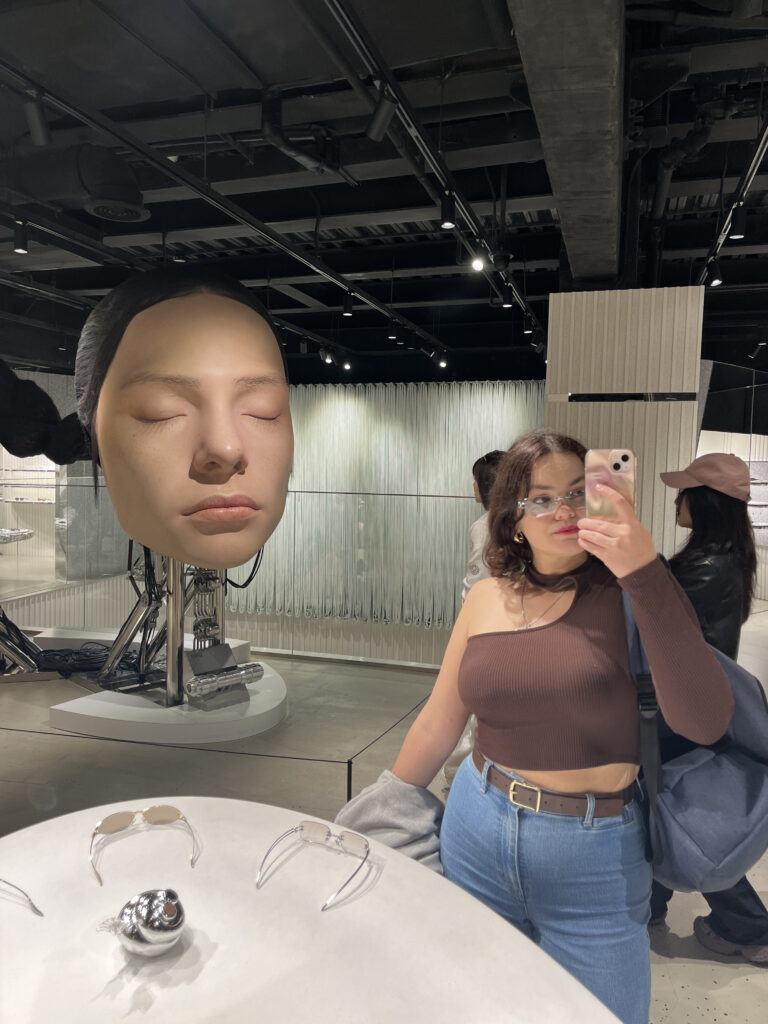
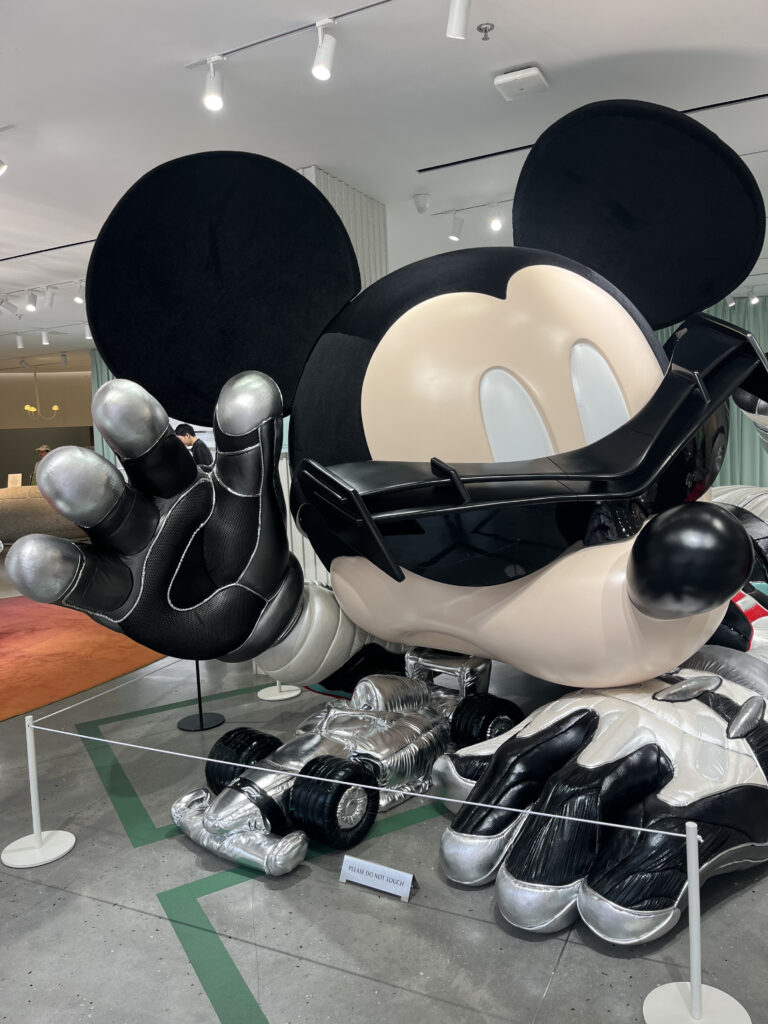
Start your morning in Huangpu District, home to some of Shanghai’s most stylish boutiques. Don’t skip Gentle Monster. I think they technically sell sunglasses (very expensive sunglasses), but honestly it feels more like visiting a contemporary art museum than a shop.
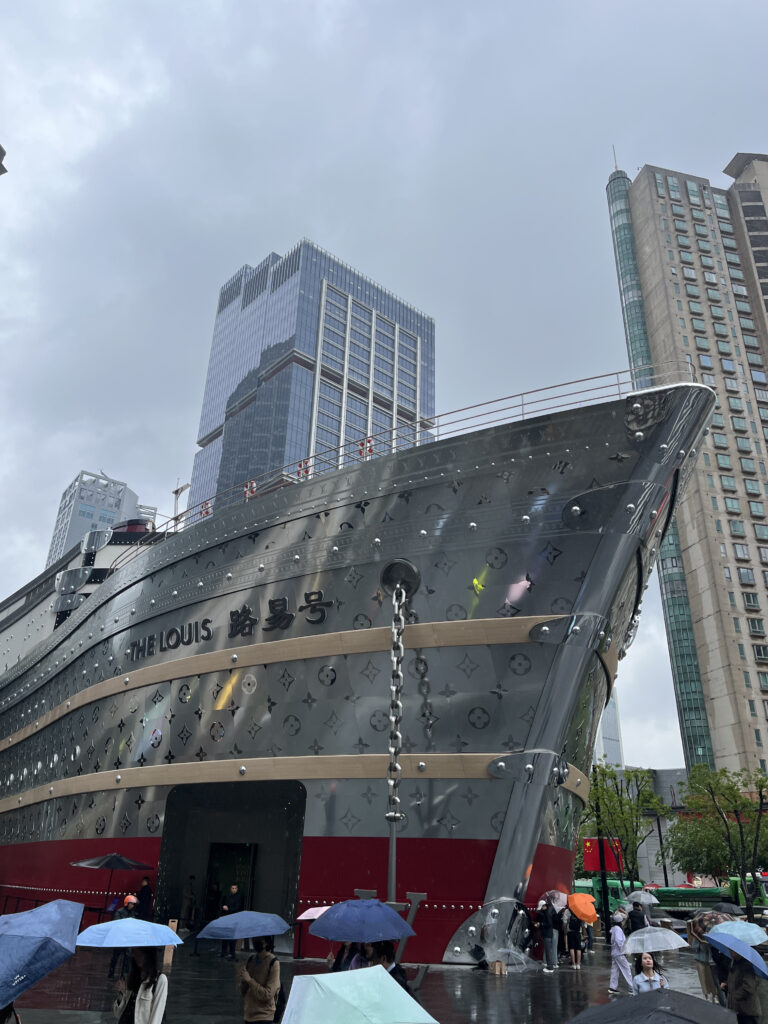
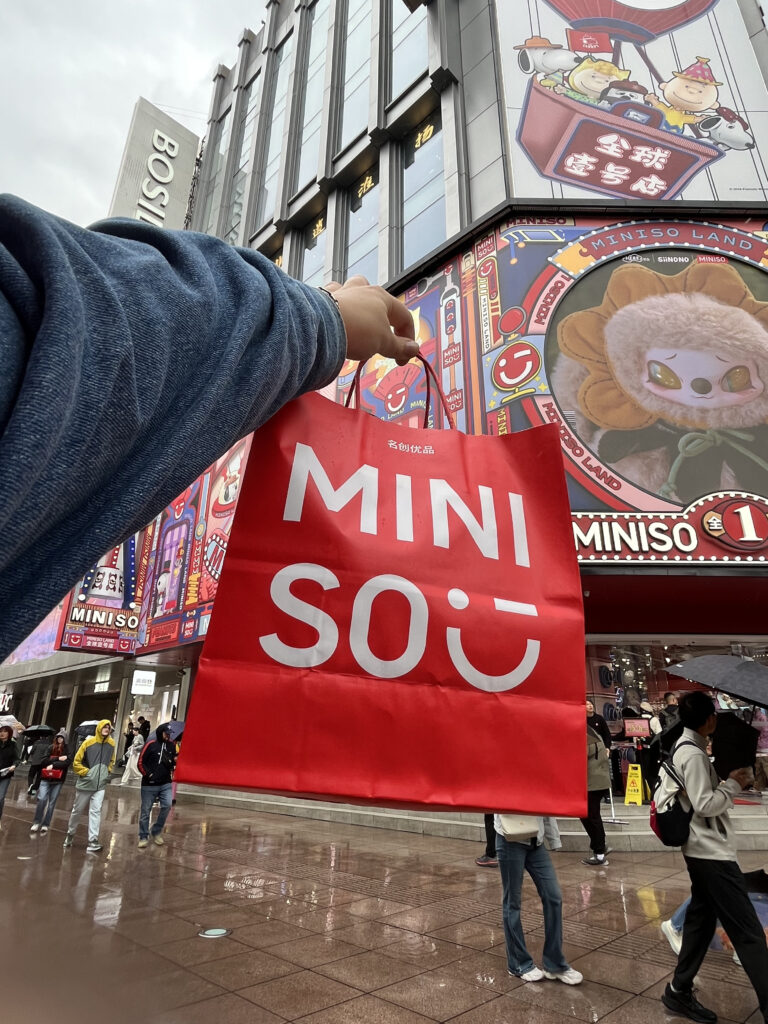
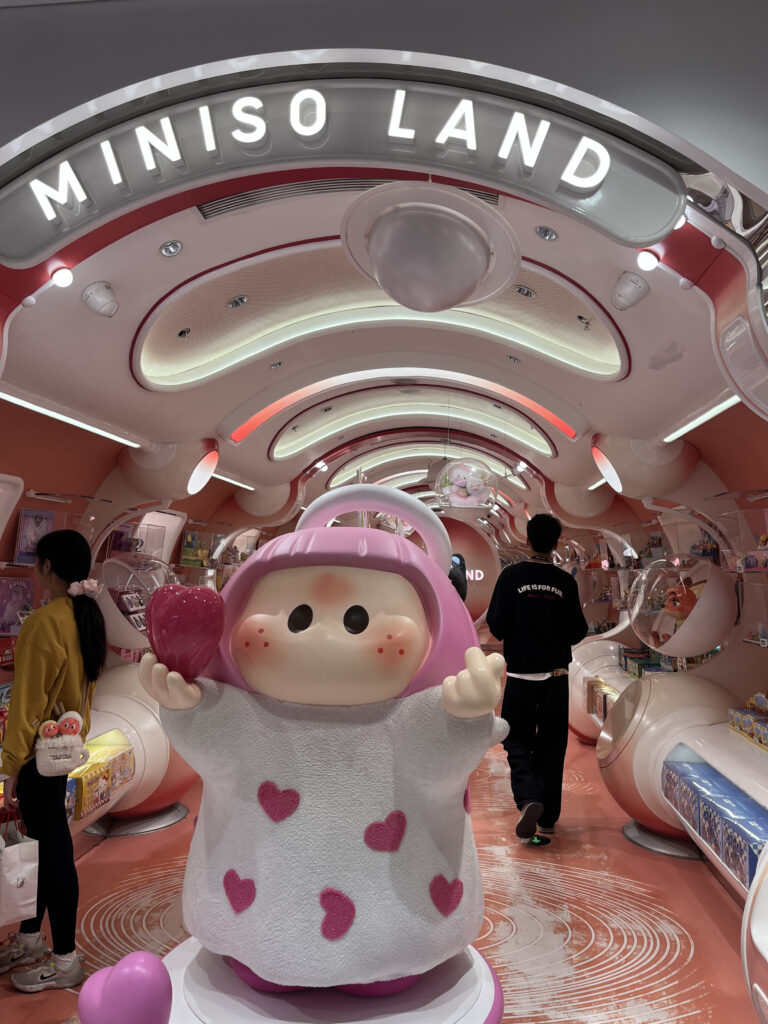
Next, continue to Nanjing Road—Shanghai’s version of Fifth Avenue in New York or the Champs-Élysées in Paris. Start at the famous Louis Vuitton “Ship.” As you ride the escalator out of the metro station, you’ll hear waves, seagulls and the ship’s horn before you even see it. From there, explore the world’s largest Starbucks Reserve Roastery, the massive M&M’s Store, and stock up on souvenirs at Miniso. Even Miniso deserves a visit here—the Shanghai flagship spans three floors and feels more like an interactive museum than a discount store.
Warehouse 3
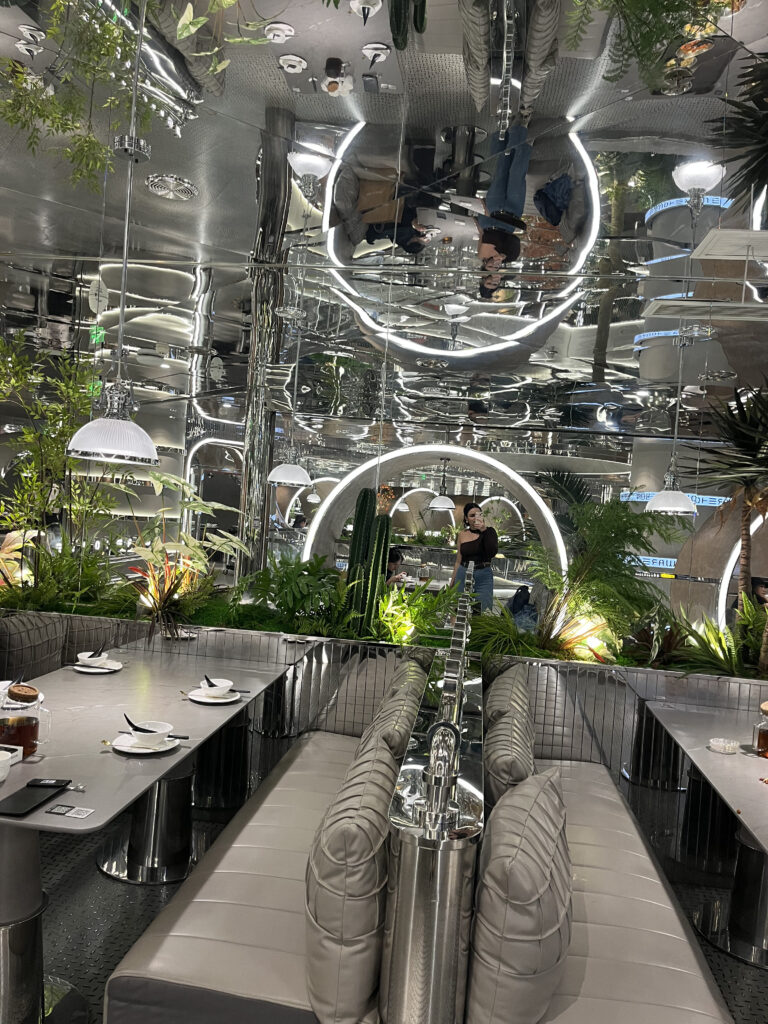
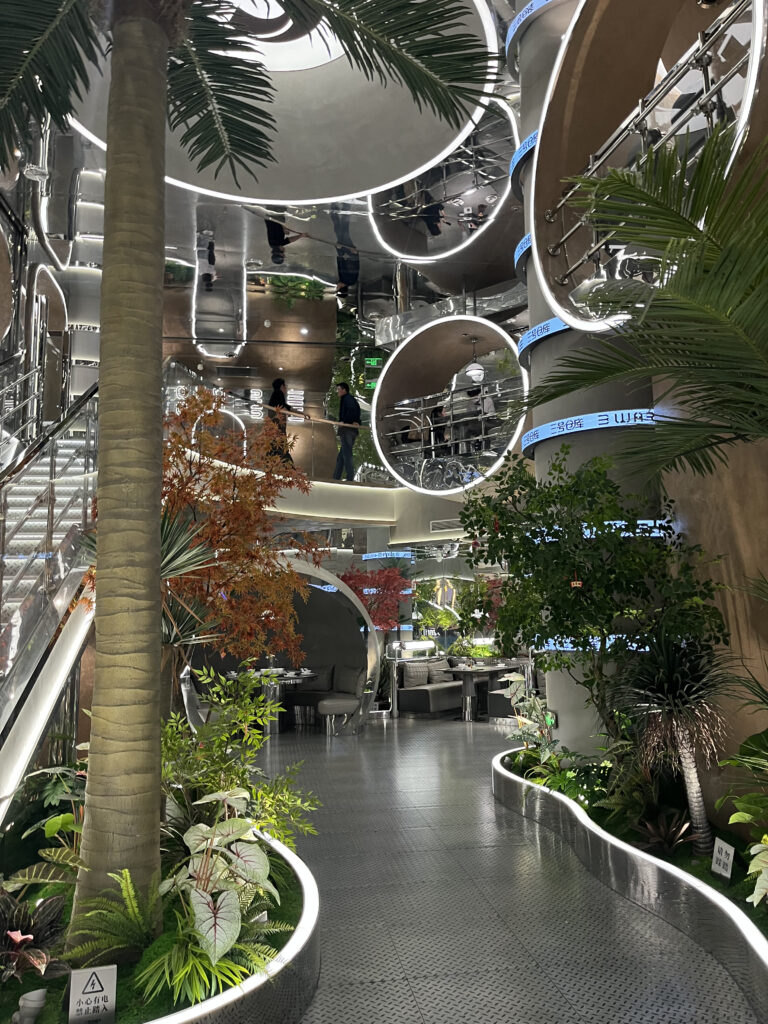
For lunch, head to Warehouse 3. For reasons I still don’t understand, it’s hidden inside a completely ordinary shopping mall. Step inside, though, and it suddenly feels like you’ve boarded a spaceship. The menu is just as creative as the interior. That said, the wine service was… memorable. The waiter simply brought us the bottle, opened it, put it on the table and walked away. Well then.
Xintiandi
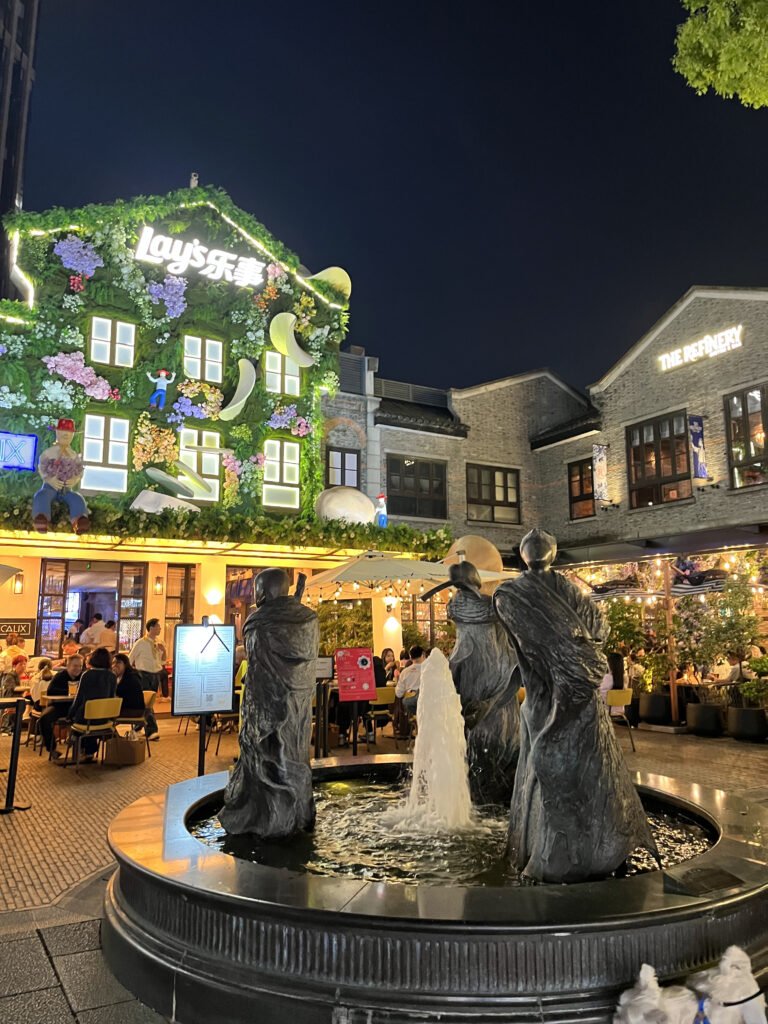
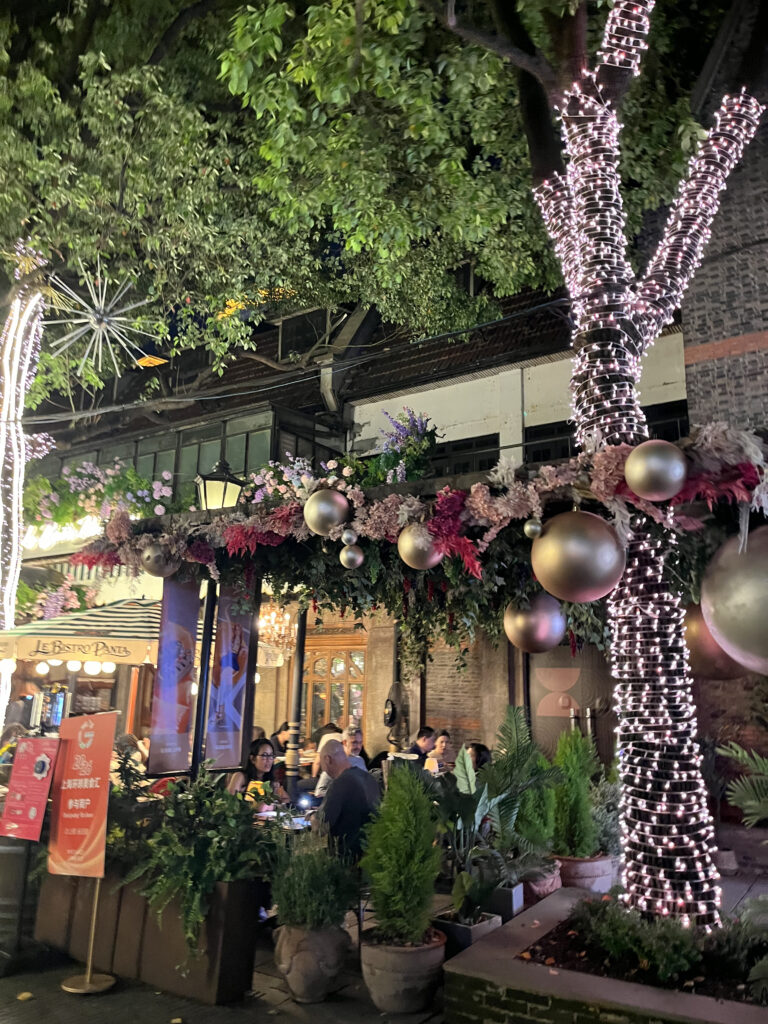
Spend your evening in Xintiandi, Shanghai’s stylish bar district. It feels a bit like Bridgerton, if the series had been filmed in Shanghai.
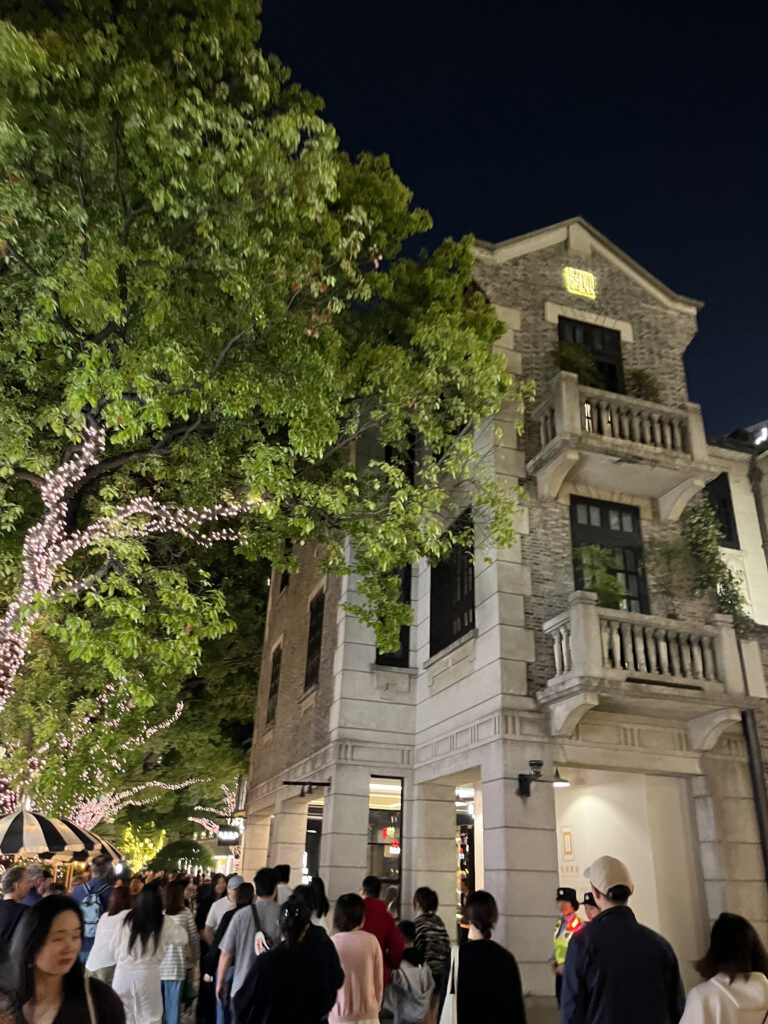
If you’re still in the mood for nightlife afterwards, head to INS Land—a six-storey nightclub that’s practically a tourist attraction on its own. I only went there to have a look. Turns out, that’s not really an option. There was a huge queue outside, and you even need to buy an entrance ticket—just like for a museum. Tickets are available through tour platforms or directly at the entrance. When I saw the $30 admission fee, I politely turned around and went back to my hotel. Still, I absolutely recommend it. Next time, I’m definitely going inside.
Tianzifang
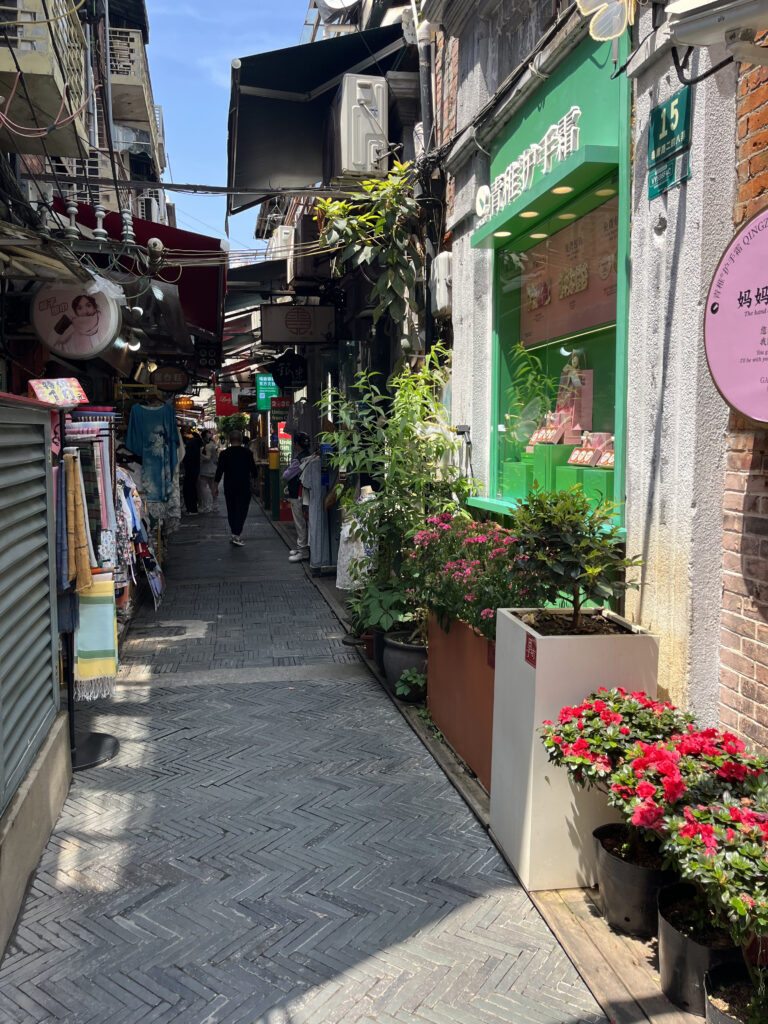
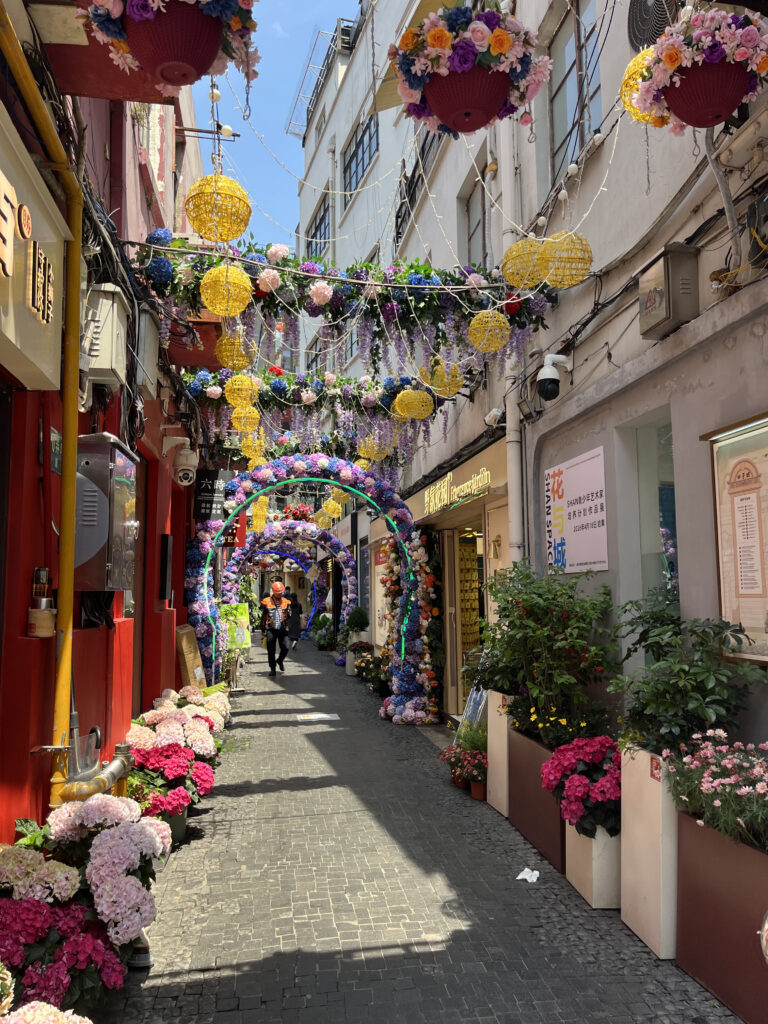
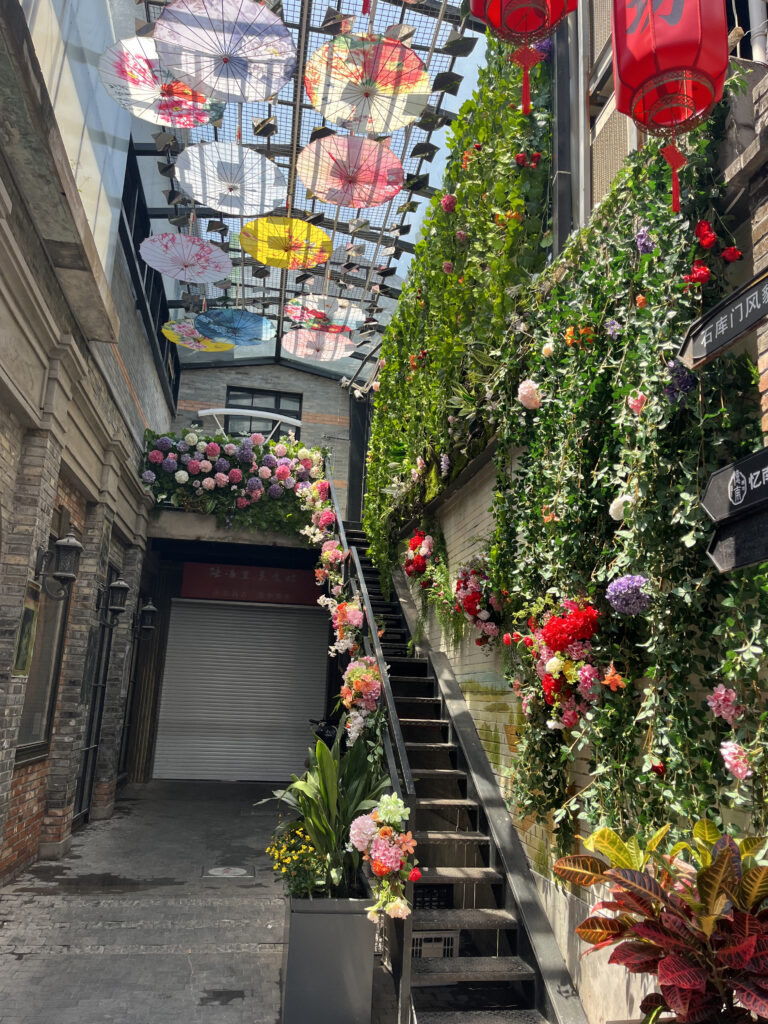
The following morning, make your way to Tianzifang before the crowds wake up. Wander through narrow alleyways filled with independent boutiques, souvenir shops, galleries and creative studios. More than anything, pay attention to the shopfronts and street design—they’re artworks in themselves. The bars and cafés here prove that art can exist in everyday life.
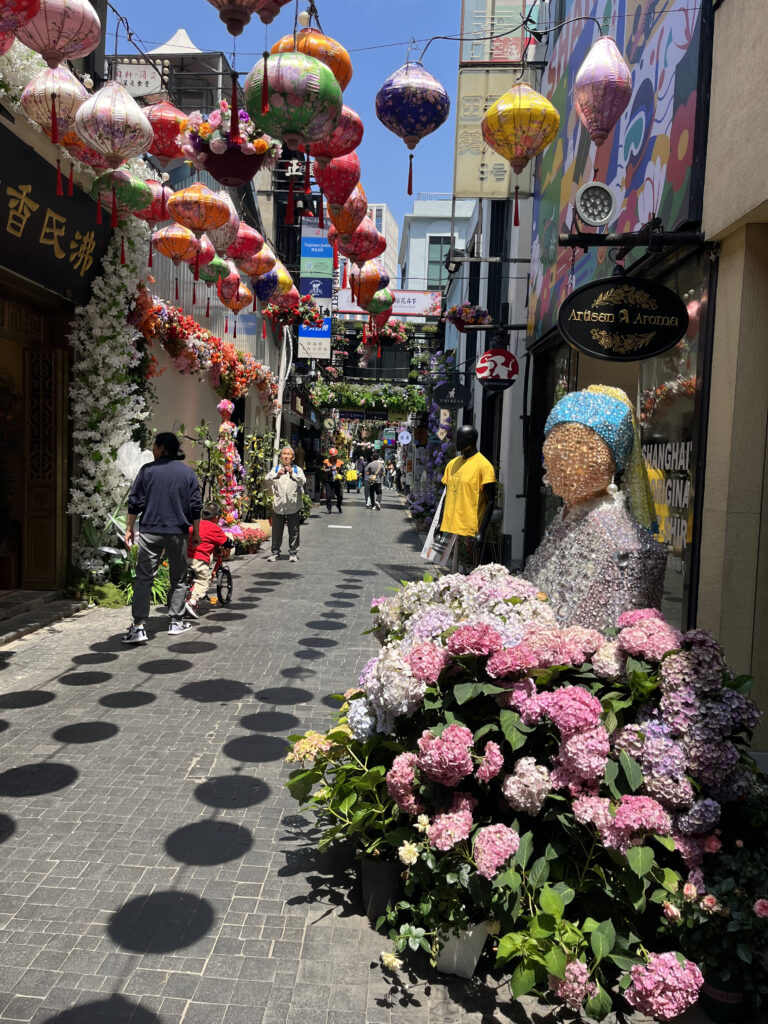
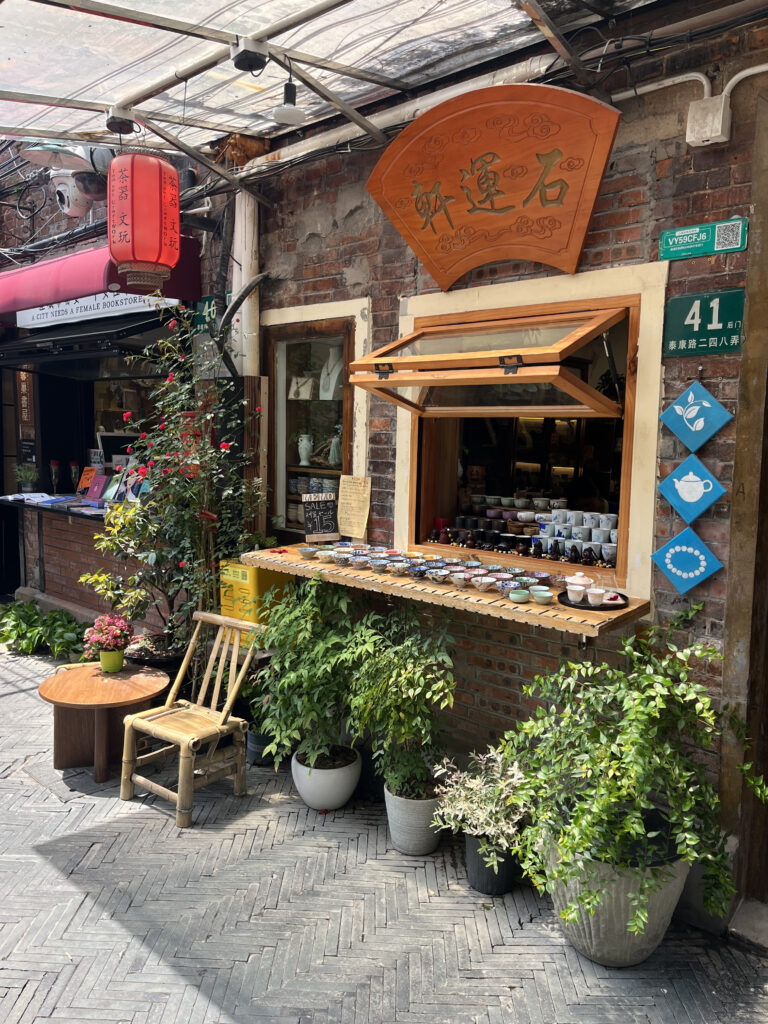
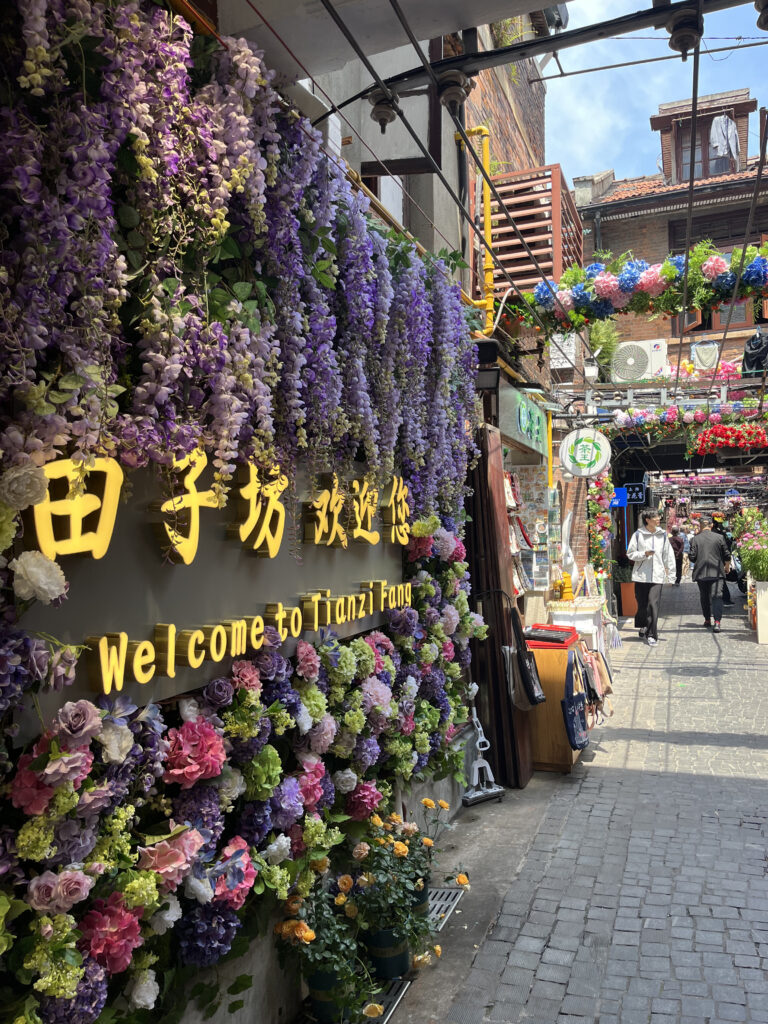
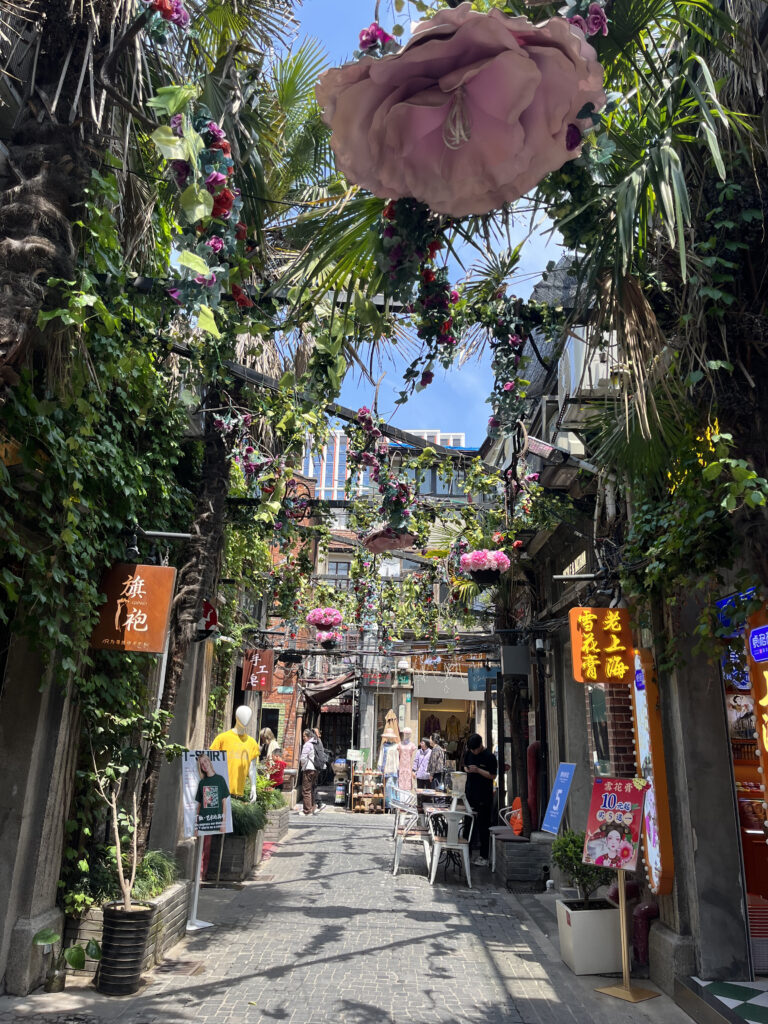
Personally, I bought a beer from a tiny kiosk, sat down on a bench, and enjoyed the atmosphere for free.
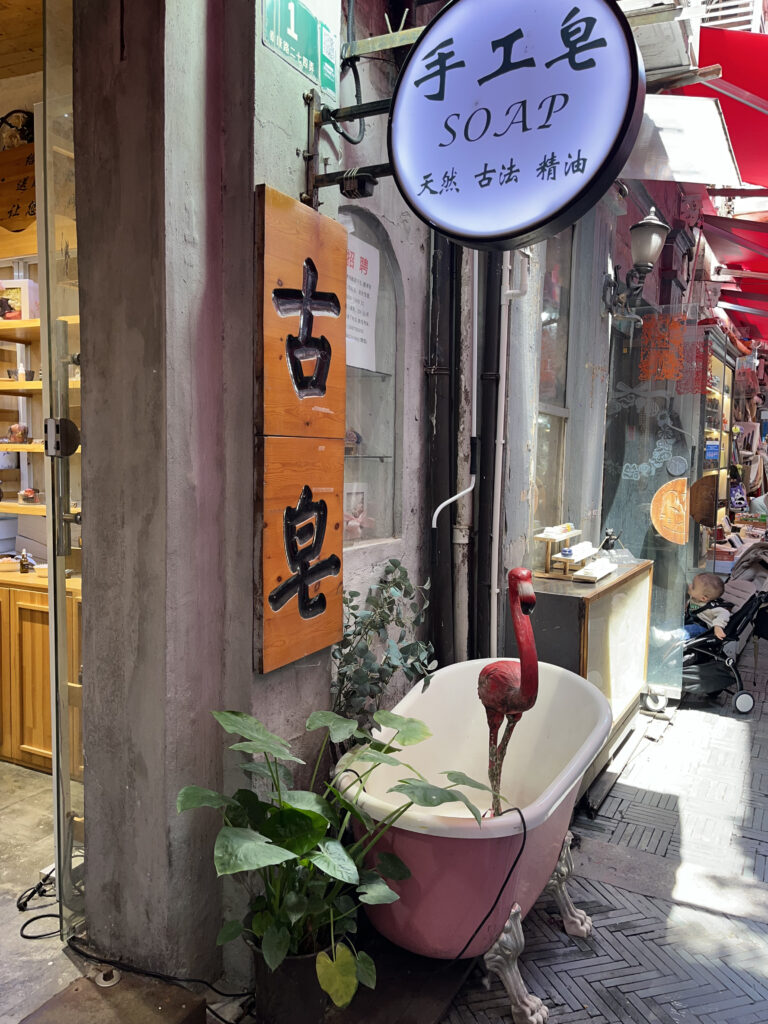
Read more
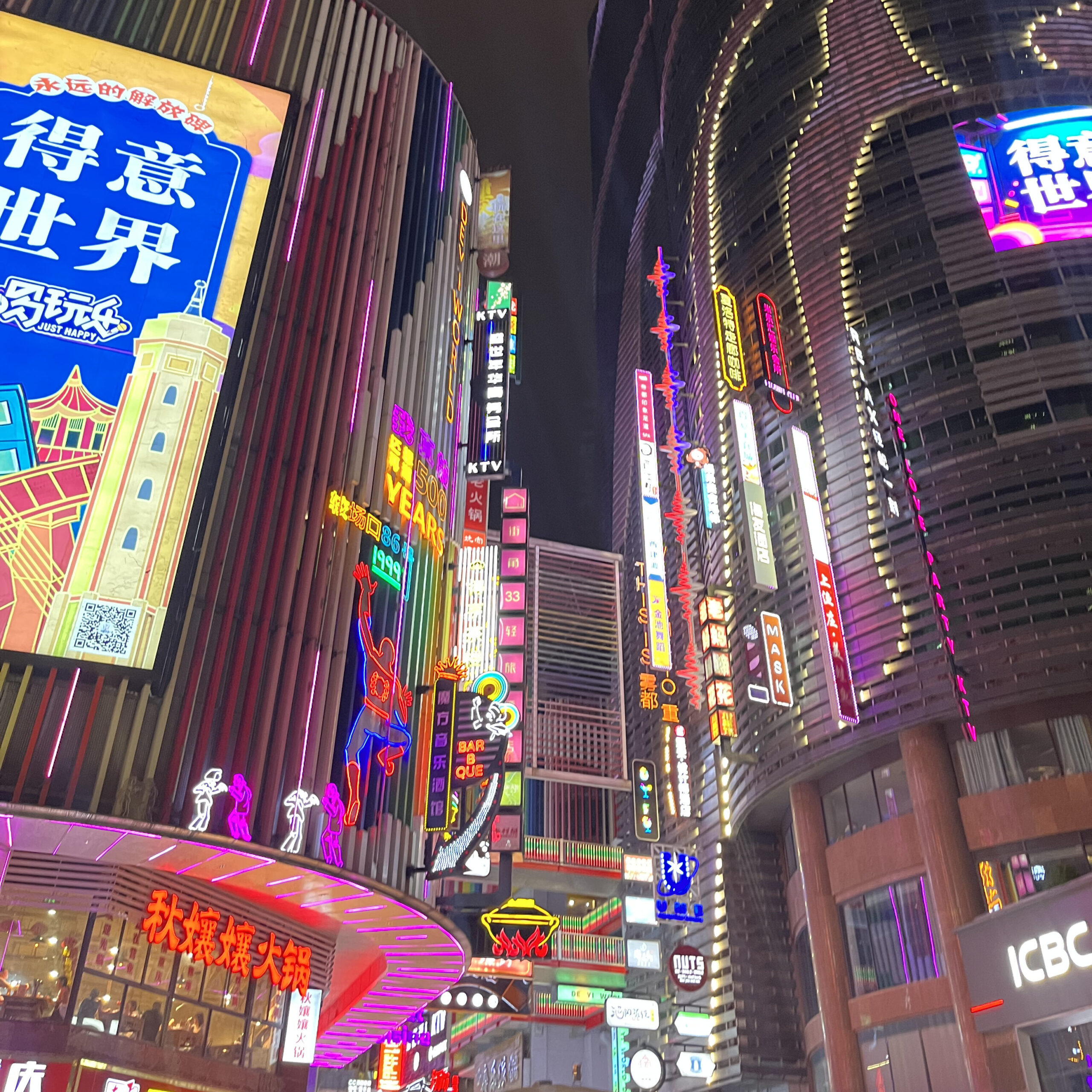
What to Know Before Travelling to China
China is a country where tradition and innovation blend. Here, millennia-old history and culture intertwine with cutting-edge technology. But despite all this progress, China is an authoritarian country with strict controls, so travelers need to be thoroughly prepared. This article explains what you need to know before your trip.
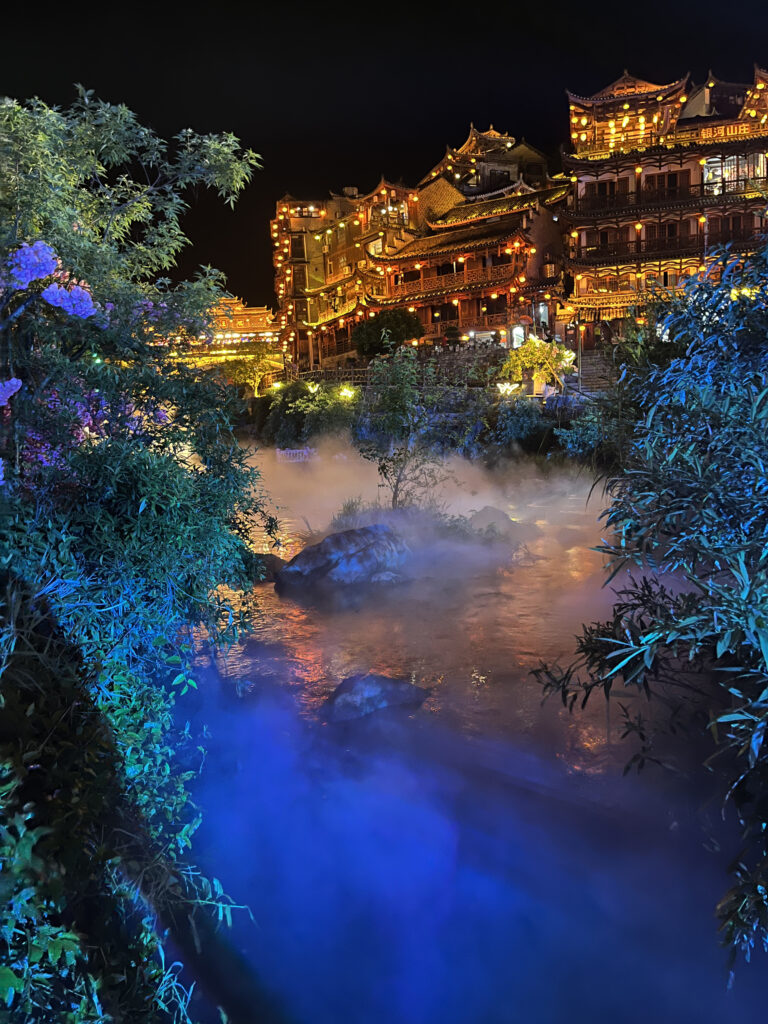
What to See in China in 10 Days
China is huge. You won’t be able to see everything in one go, so you’ll have to prioritize: what’s more important to you – history or cyberpunk? Megacities or nature? I’ll give you a detailed guide on how to plan your 10-day trip from Shanghai to Avatar Mountains to Furong to Chongqing.
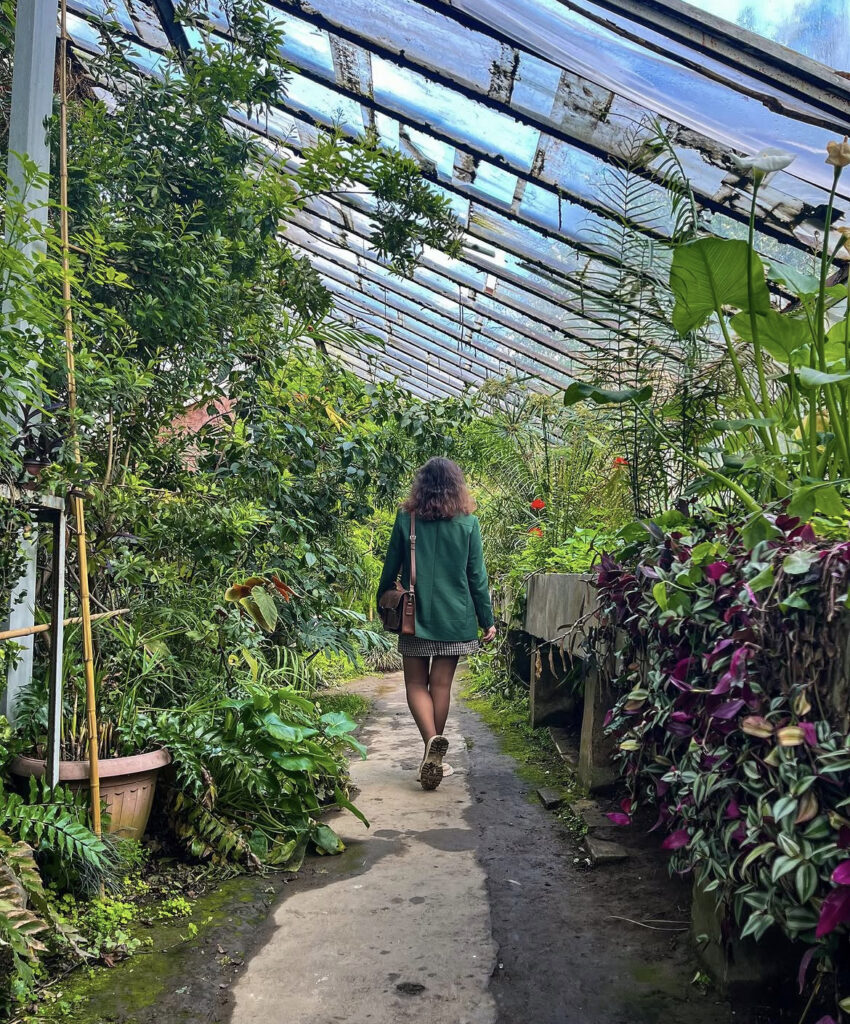
The Most Instagrammable Places in Bishkek
I like pretty places. And so do you, otherwise you wouldn’t have ended up here. Bishkek isn’t exactly a Pinterest-style city, but it does have a surprising number of beautiful spots, both within the city and just outside it.
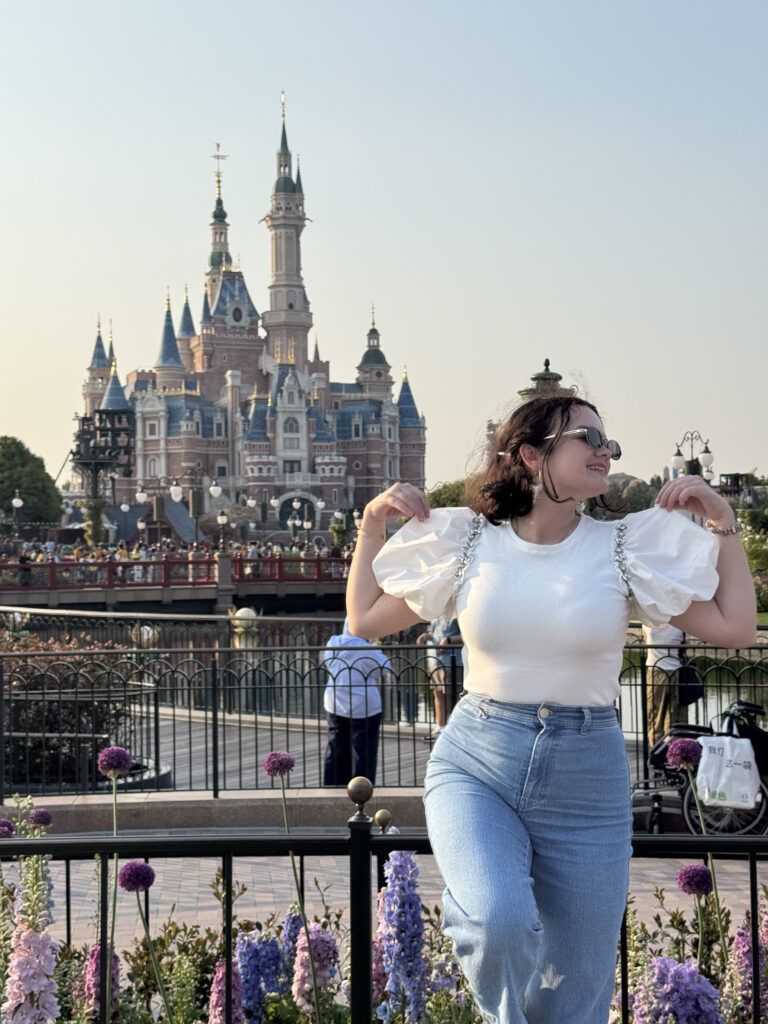
Shanghai Disneyland Guide
Shanghai Disneyland isn’t for the weak. But is it worth it? Absolutely! Incidentally, it’s the only Disneyland in the world with a Zootopia section. In this article, I’ll tell you about Shanghai Disneyland, how to hit all the rides (and are they worth it?), see all the shows, and visit all the locations without the stress and long waits.
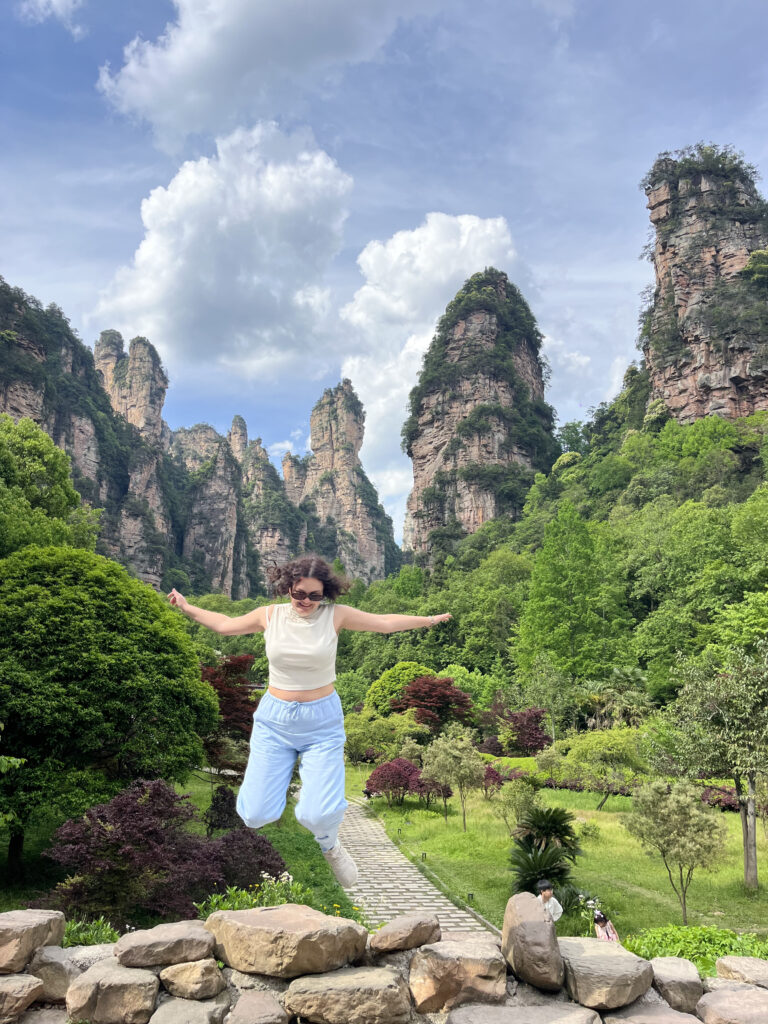
Zhangjiajie National Park and the Grand Canyon Glass Bridge
The famous park that inspired the creators of “Avatar” looks like one of the modern wonders of the world. This article explains how to buy tickets, where to stay, and what to see besides the mountains.
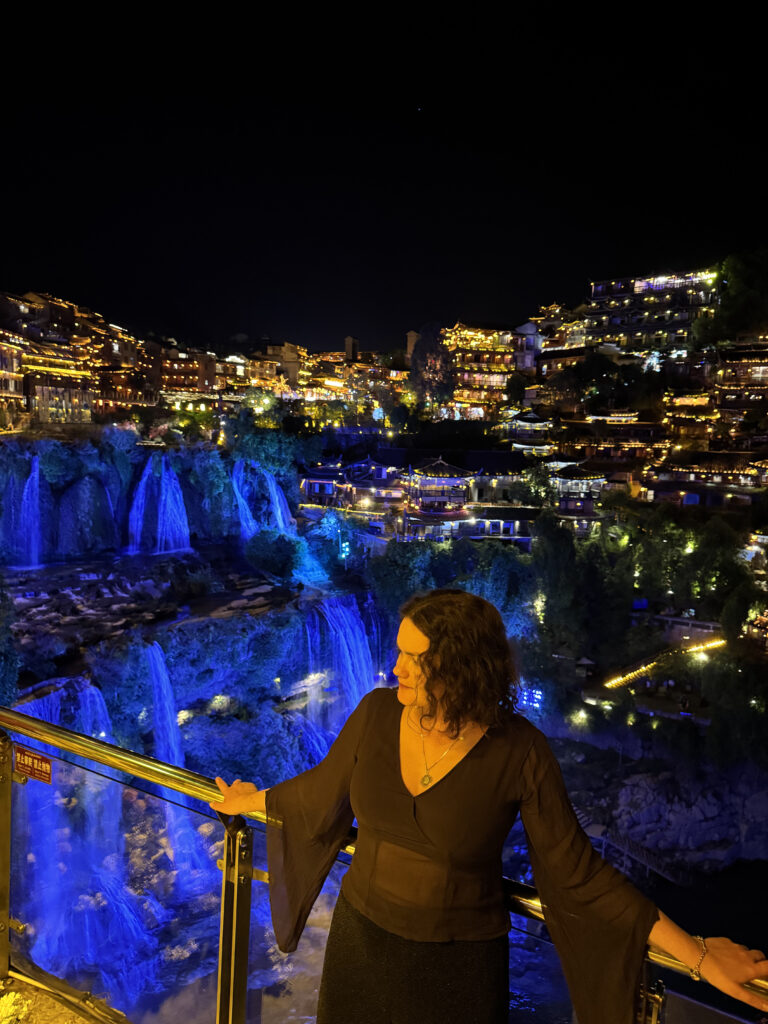
The magical village of Furong near the waterfalls
Hunan Province is famous not only for Zhangjiajie National Park but also for the ancient Chinese town of Furong, built around a waterfall. We learned about it thanks to viral Instagram videos and decided to see if it’s really that beautiful. In this article, I’ll tell you how to get there, where to stay, and what else to do besides admiring the waterfalls.
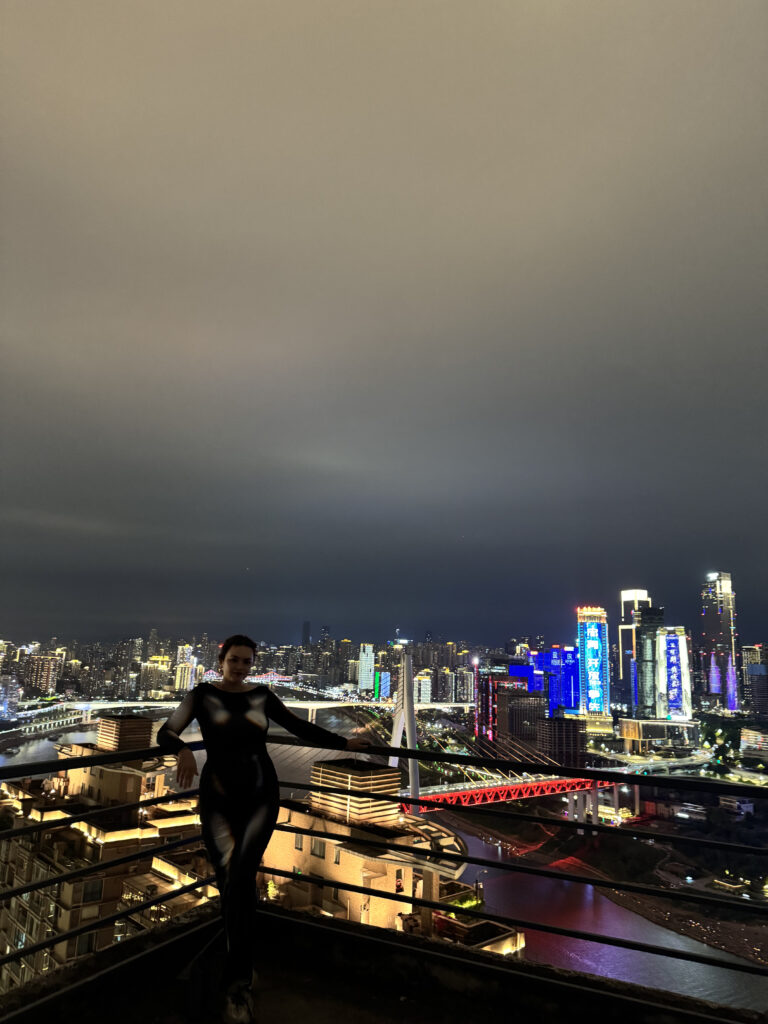
Chongqing Guide
Chongqing is a cyberpunk city, an urbanist’s nightmare, a multi-level metropolis with 8D architecture (what? Yeah!). It’s considered the largest metropolis in the world, with an area comparable to Austria and a population of approximately 32 million. It’s not for everyone. Read on and decide.