


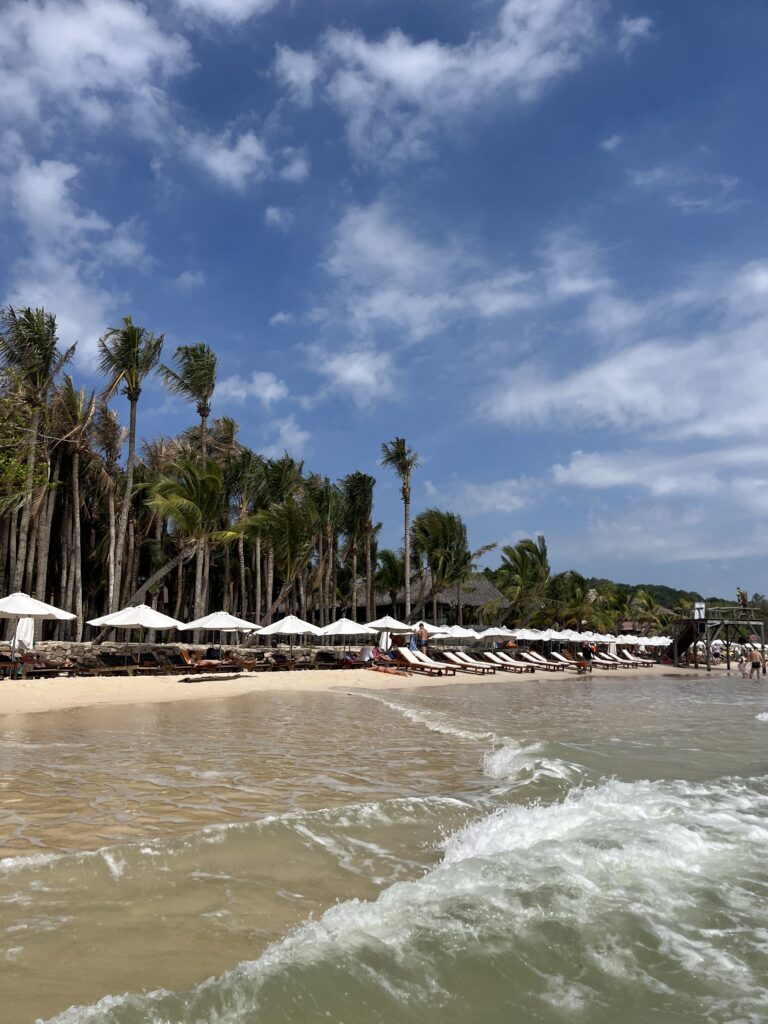
Phu Quoc Travel Guide: Beaches, Transport & Travel Tips
Phu Quoc is a Vietnamese island in the Gulf of Thailand. The island is relatively small — only about 50 kilometers long — but that definitely doesn’t mean there’s nothing to do there (more on that here).
Luckily, citizens of the Kyrgyz Republic don’t need a visa for Vietnam. In winter, there are even charter flights from Bishkek! Very convenient. Unlike Nha Trang, where the season can last until summer, the best time to visit Phu Quoc is from November to March. I managed to find super cheap tickets in February, which honestly surprised me. Turns out, my trip happened during Chinese New Year… I was expecting crowds of tourists everywhere, but apart from the island-hopping tour and the beaches after 5 PM (when I was already leaving), I barely saw any crowds at all.
As for prices: contrary to stereotypes, Vietnam is not exactly cheap. Prices are pretty similar to Bishkek. Although maybe that’s just Phu Quoc — Nha Trang is much cheaper.
Surprisingly, Vietnam also turned out to be a very safe place, especially for solo female travelers. You can calmly leave your belongings on the beach while swimming in the sea. A dream.
Shopping You won’t find anything particularly “designer” or luxury-related on Phu Quoc — there’s basically one large supermarket on the entire island. Honestly, the only thing I’d recommend bringing home is fruit.
What You’ll Need for the Trip
ring cash. Seriously. Technically, most cafés and shops have card terminals, but sometimes they mysteriously “stop working.” There are also lots of small stalls selling fruit, drinks, and street food, and they only accept cash.
Buy an eSIM in advance (any one will do), because Wi-Fi spots around the island are limited, and even hotel internet can be disappointing.
Google Maps works perfectly for navigation, although it won’t show public transport routes. Still, public transport is easy enough to figure out — more on that below.
Transport. You can rent a scooter very cheaply and drive around the island yourself. But if you’re a loser at driving like me, taxis are your best option. Everyone recommends the Grab app, but for some reason it simply didn’t work for me — I never managed to call a taxi through it. Instead, I recommend Xanh SM. I had zero problems with it, and all the cars are electric. I also tried a motorbike taxi on Phu Quoc — basically, someone picks you up on a scooter and drives you around. Very fun. Highly recommend.
Public Transport. There isn’t much public transport on the island, but it’s surprisingly useful and cheap. You can take buses to VinPearl Safari & VinWonders for free if you already have a ticket. It’s also a great way to get to the airport. Buses #17 and #19 are the most popular. They run between the airport and the parks, making stops along the way. The stops are easy to find: Bus #17 runs along the coastal road closer to the beaches. Bus #19 runs along the main highway. Just make sure you don’t accidentally take the wrong bus on the way back and end up far from your hotel. The buses run frequently. That said, I couldn’t find any buses going to the southern part of the island.
And most importantly: bring good sunscreen and a hat. Even I — trained by the brutal Issyk-Kul sun — got sunburned almost to the point of blisters on a cloudy morning (!!) while spending most of the time in the shade.
Which Area to Stay In
The island is roughly divided into the north and the south. Most tour operators offer hotels in the busier northern part, but the south has plenty of advantages too.
I managed to stay in both areas, so here’s my comparison.
I started with the south. My hotel was located in Sunset Town (more about it here). I chose this area because it’s close to the island’s most beautiful beaches — Khem Beach and Sao Beach, which I’ll talk about below.
Sunset Town is an “artificial” Italian-style district — bright, colorful, beautiful… and somehow strangely empty. But I don’t think that will last long.
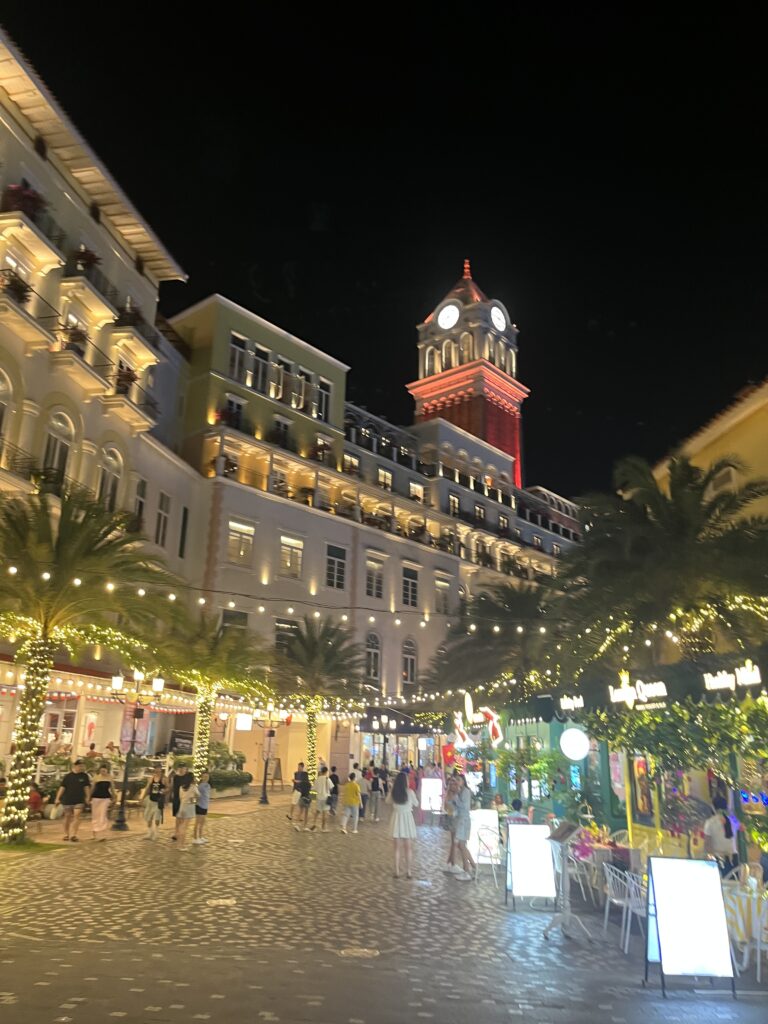
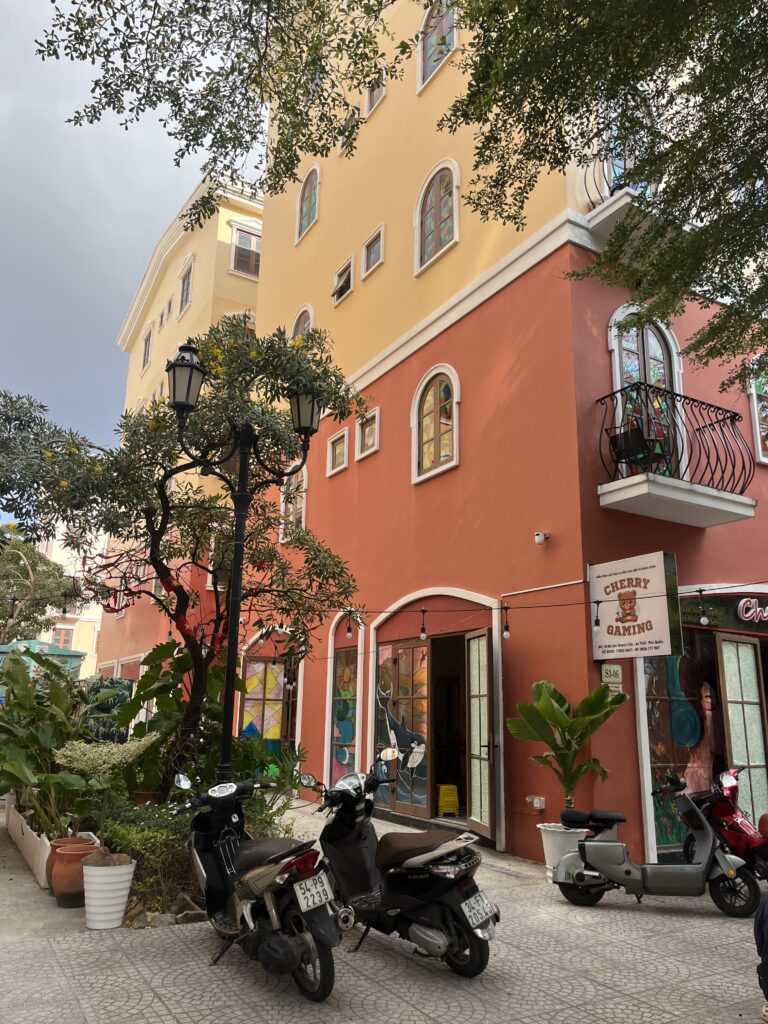
Buses don’t go to the southern part of the island, so you’ll need taxis. In my opinion, prices in the south are noticeably higher than in the north, but it’s still worth staying there for at least a few days.
Personally, I’d choose a hotel near Khem Beach so the beach is within walking distance. You can always take a taxi to Sunset Town — it’s about a 20-minute drive. At the very least, come there one evening to watch the sunset and the fireworks show. The south is calmer and much less crowded. There aren’t many shops, boutiques, or nightlife spots, and the evenings are very peaceful. For parties, we go north.
Most hotels in the north are located along Long Beach. There are also hotels along the parallel highway, but those are far from the beach — check carefully how far your hotel actually is. You probably don’t want to spend every morning taking taxis to the beach or walking there for half an hour.
If you stay in the north, you’ll find kilometers of bars, cafés, shops, and boutiques stretching along the road all the way to the Phu Quoc Night Market. Be prepared to walk a lot. Long Beach is also packed with beach clubs hosting parties and shows every evening. More about the most famous ones here..
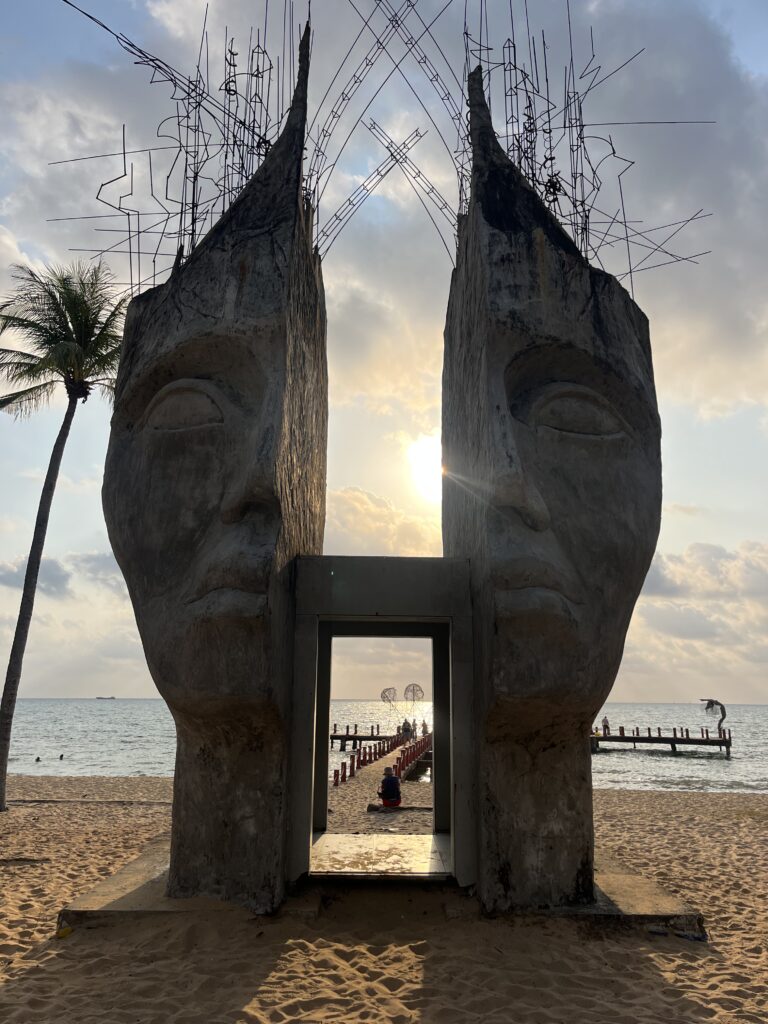
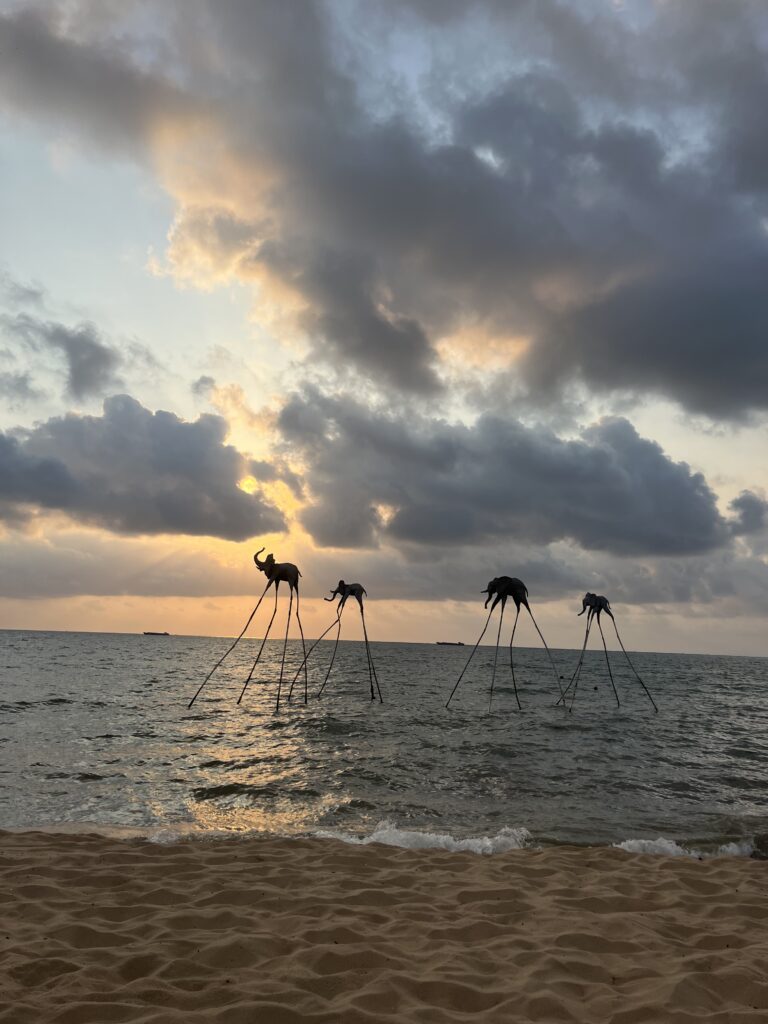
Phu Quoc Beaches
And now, the reason we’re all here. The beaches. Let’s start with the whitest and most beautiful ones.
Sao Beach
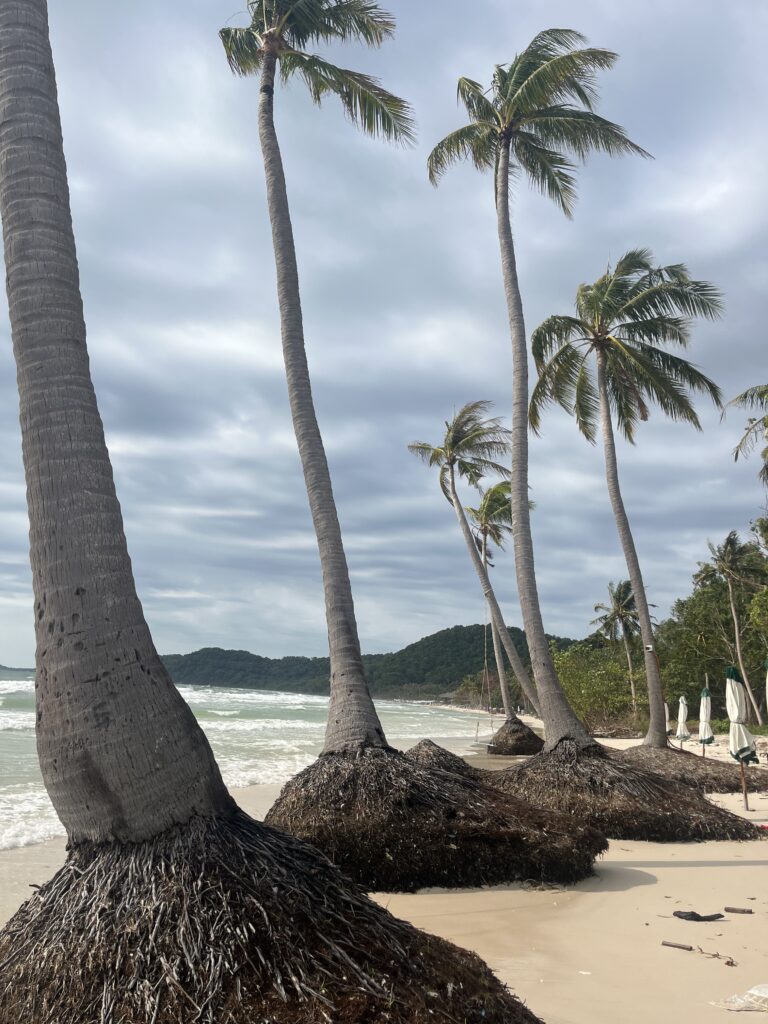
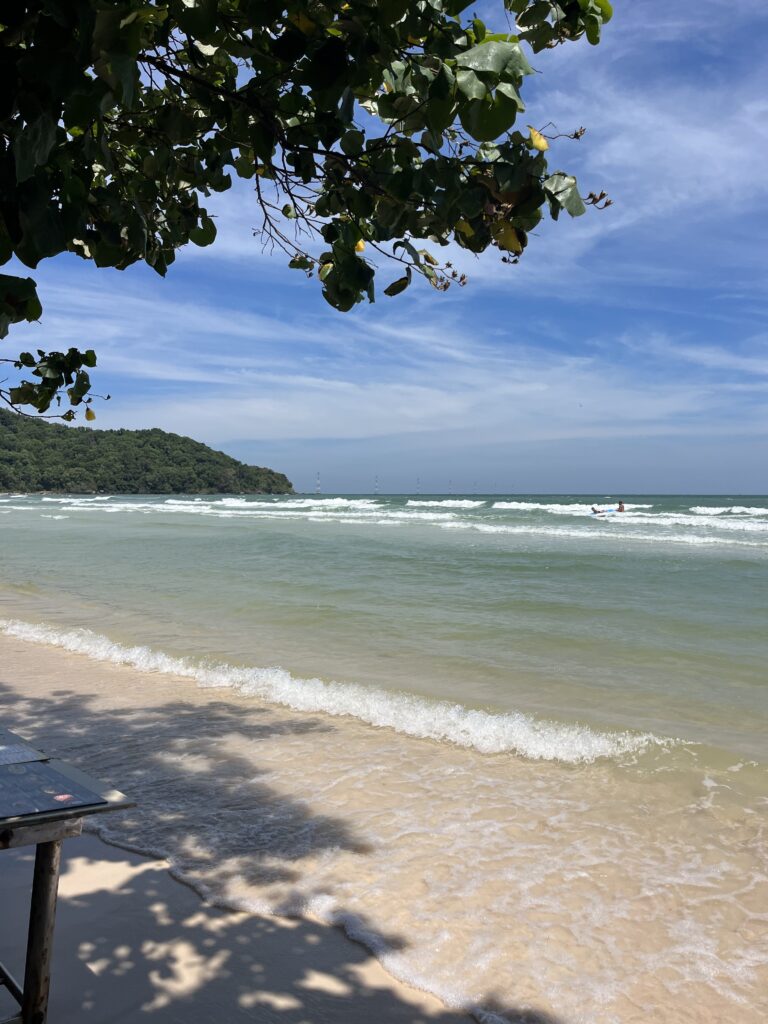
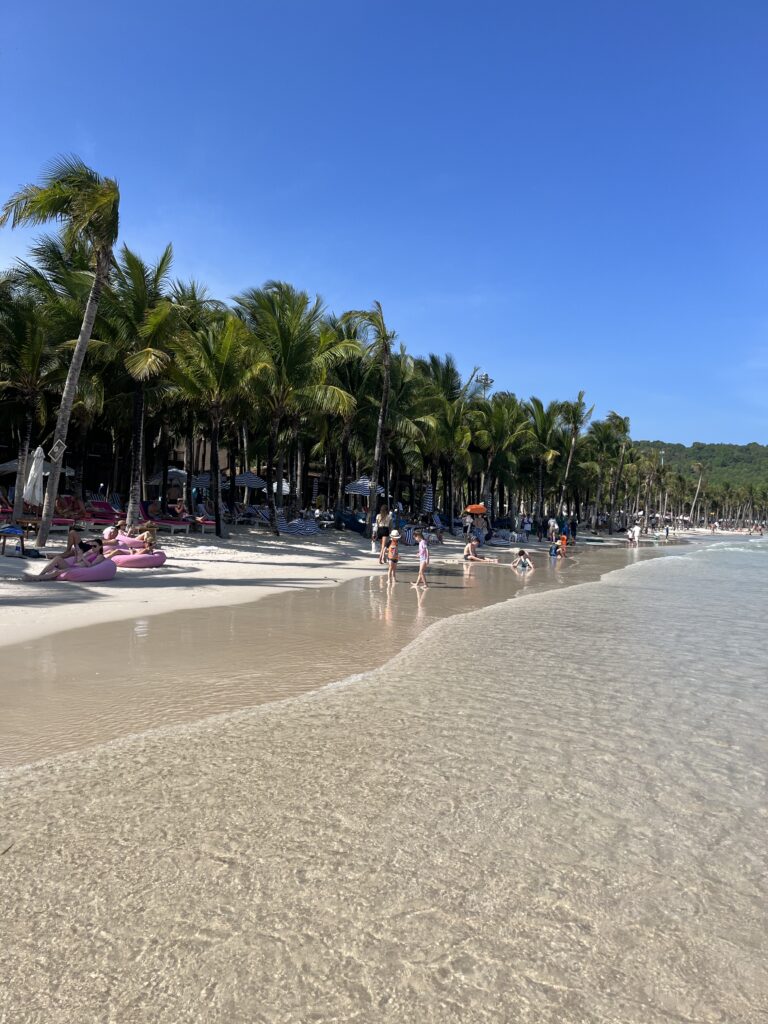
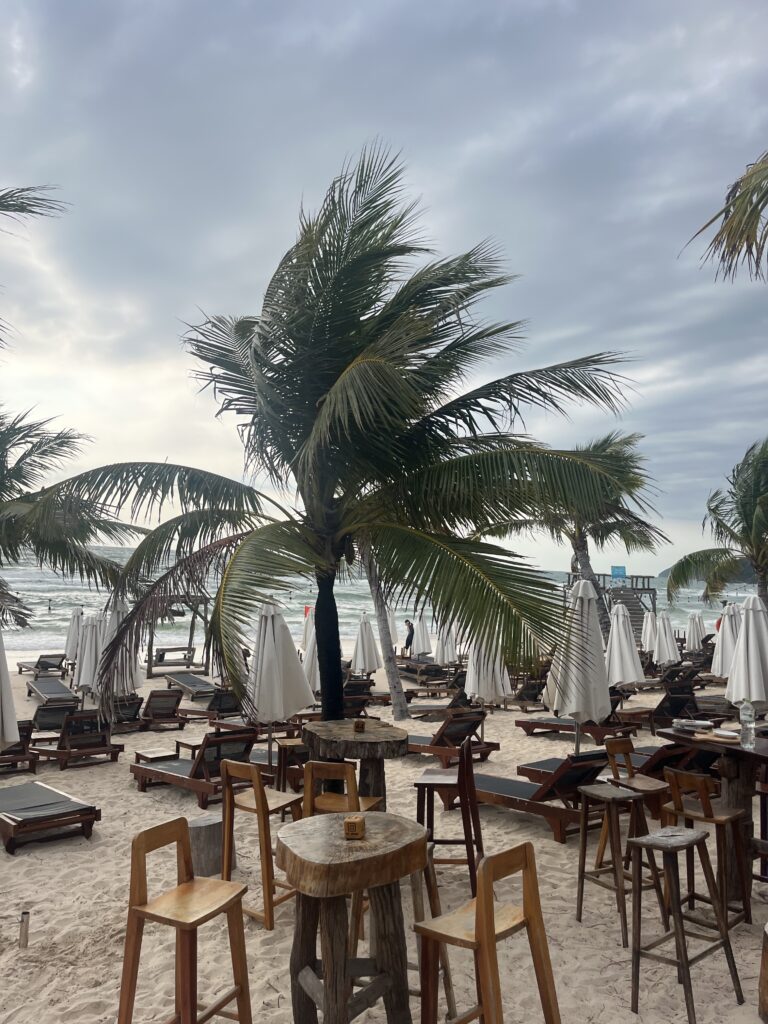
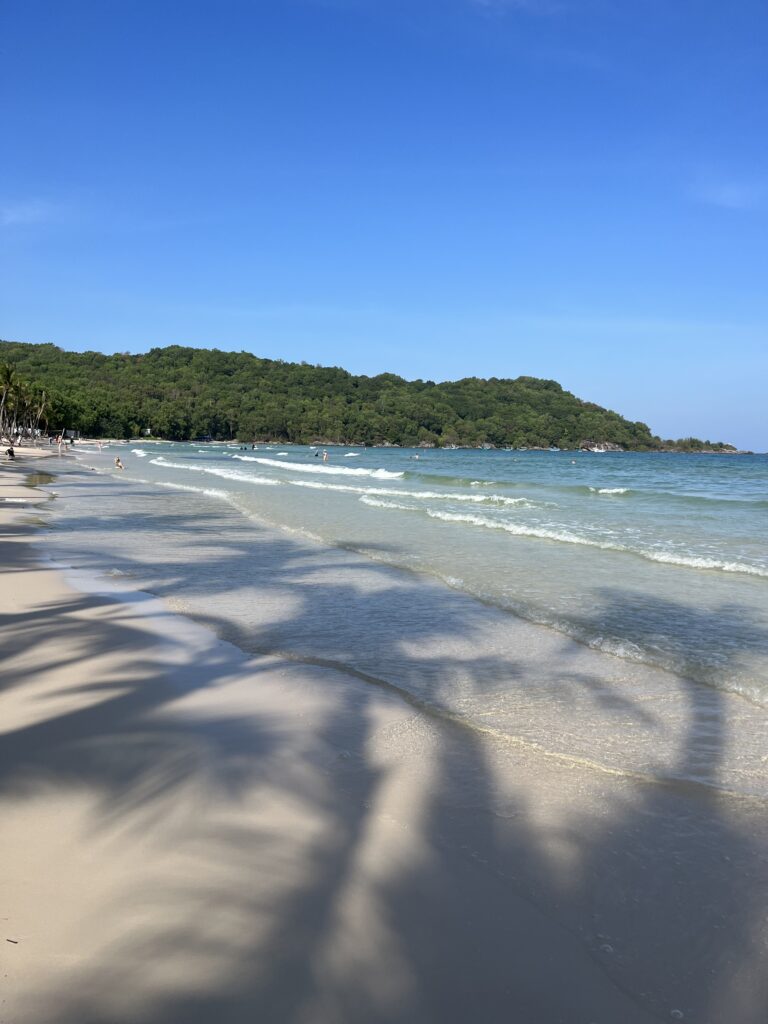
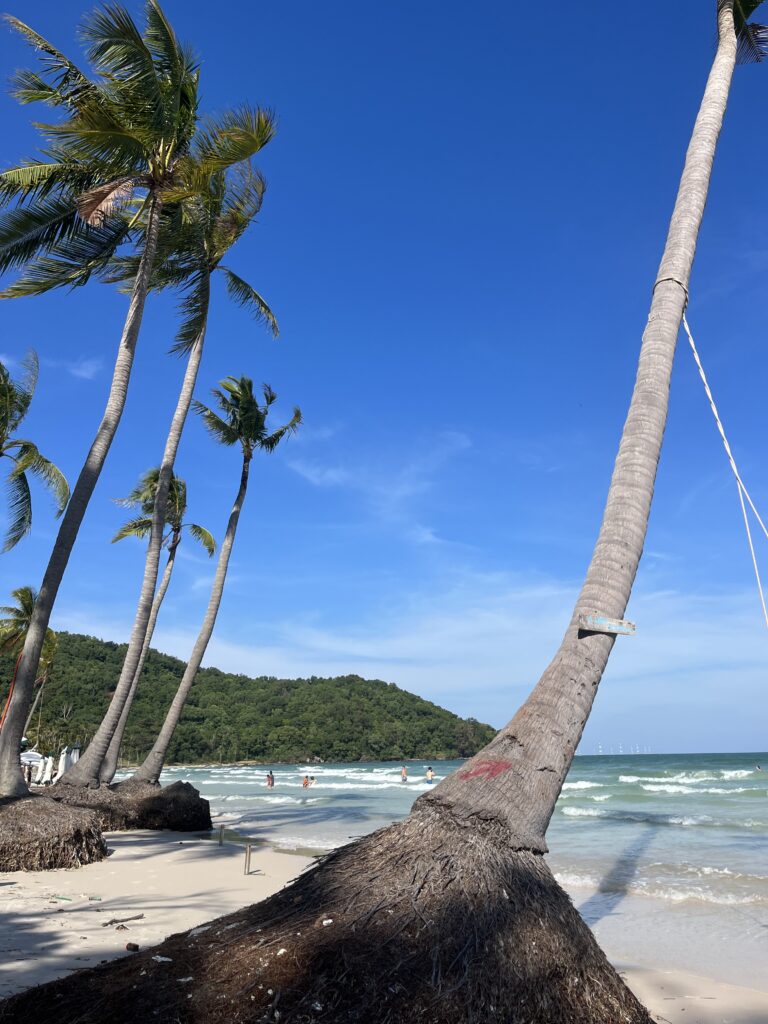
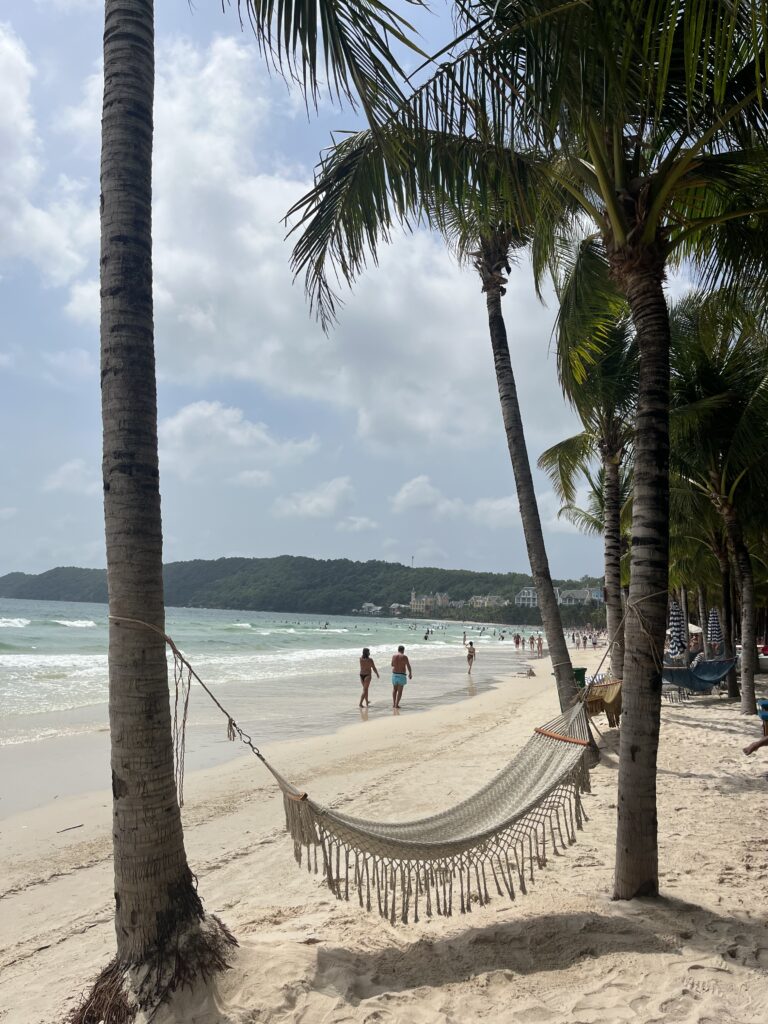
The most famous beach on Phu Quoc — you’ve definitely seen it in photos of the island. It’s one of the very few beaches in Vietnam with white sand, and it’s still semi-wild: there are no hotels directly on the beach, only a few beach clubs along the shore.
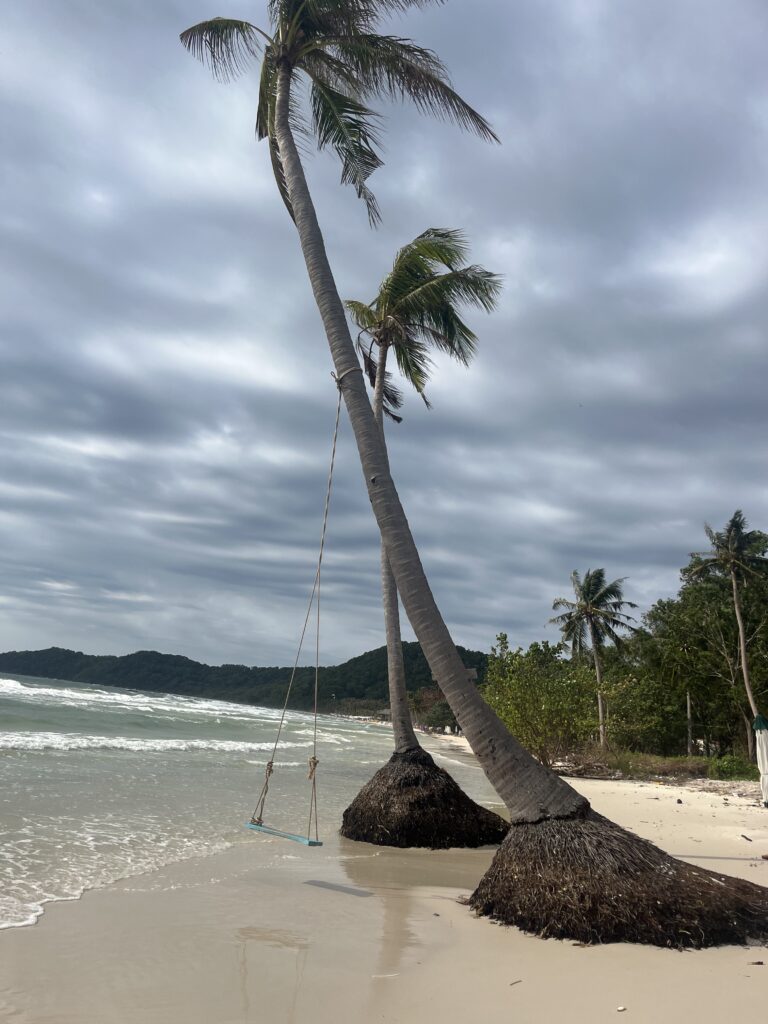
Sunbeds cost around 180,000 VND, and cocktails and food here are probably the most expensive on the island. I call it the “white sand tax.” There are swings attached to palm trees where you can fully live out your Bounty commercial fantasy. Some beach cafés and restaurants offer free showers and toilets.
The beach itself isn’t too crowded.
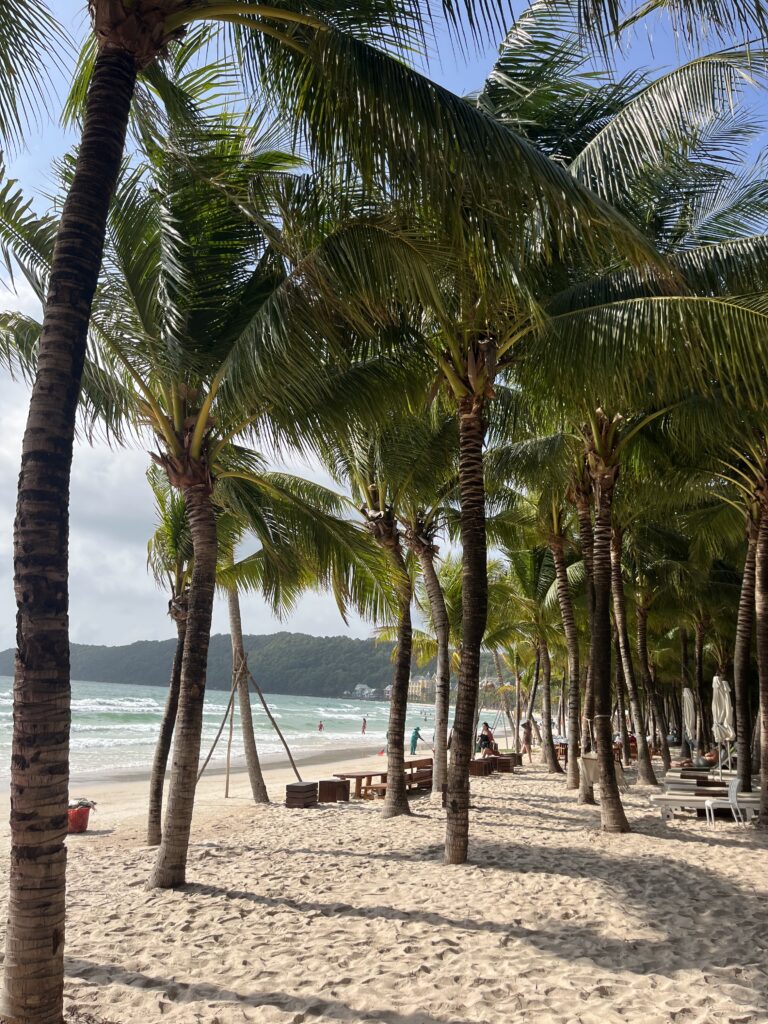
Khem beach
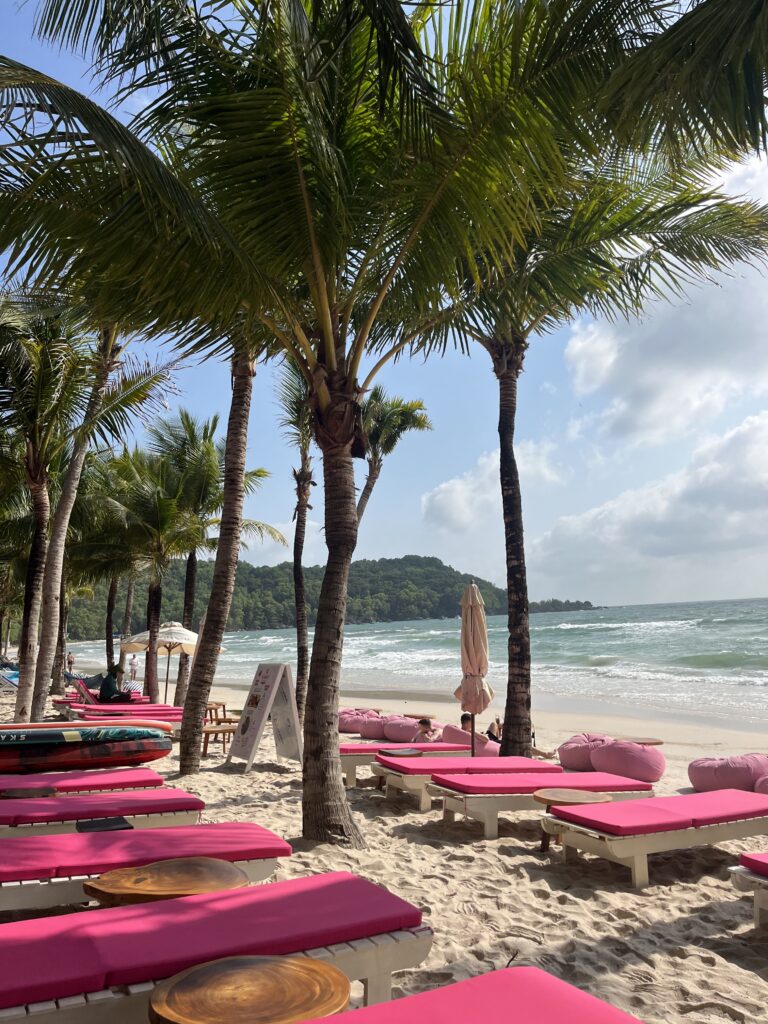
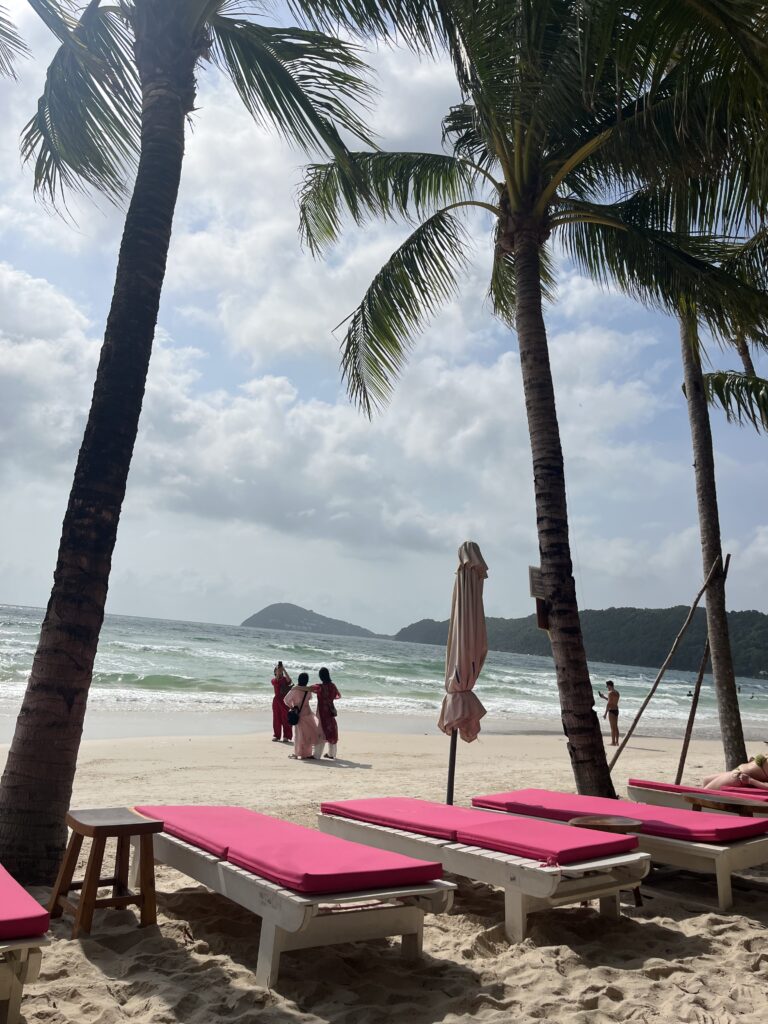
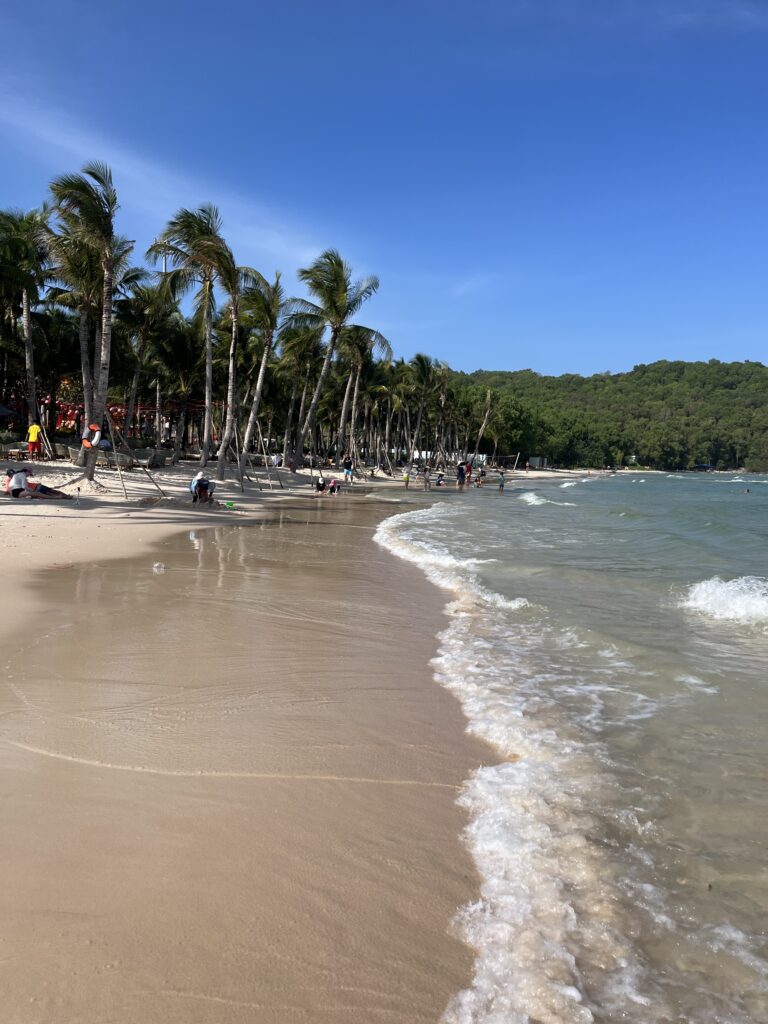
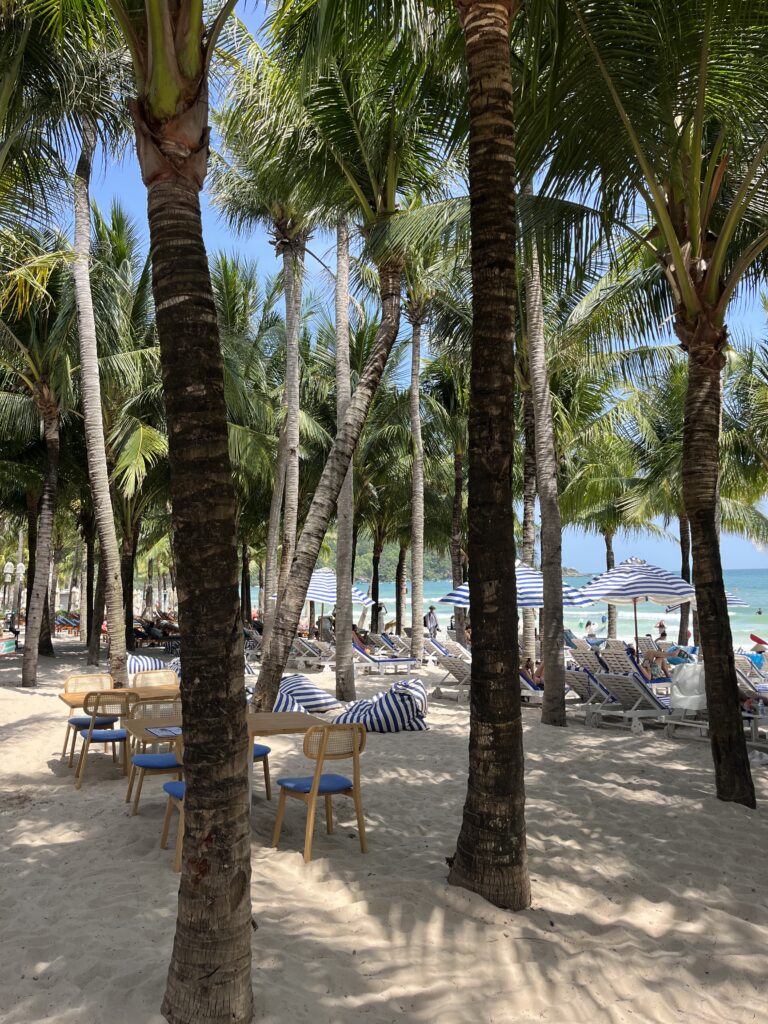
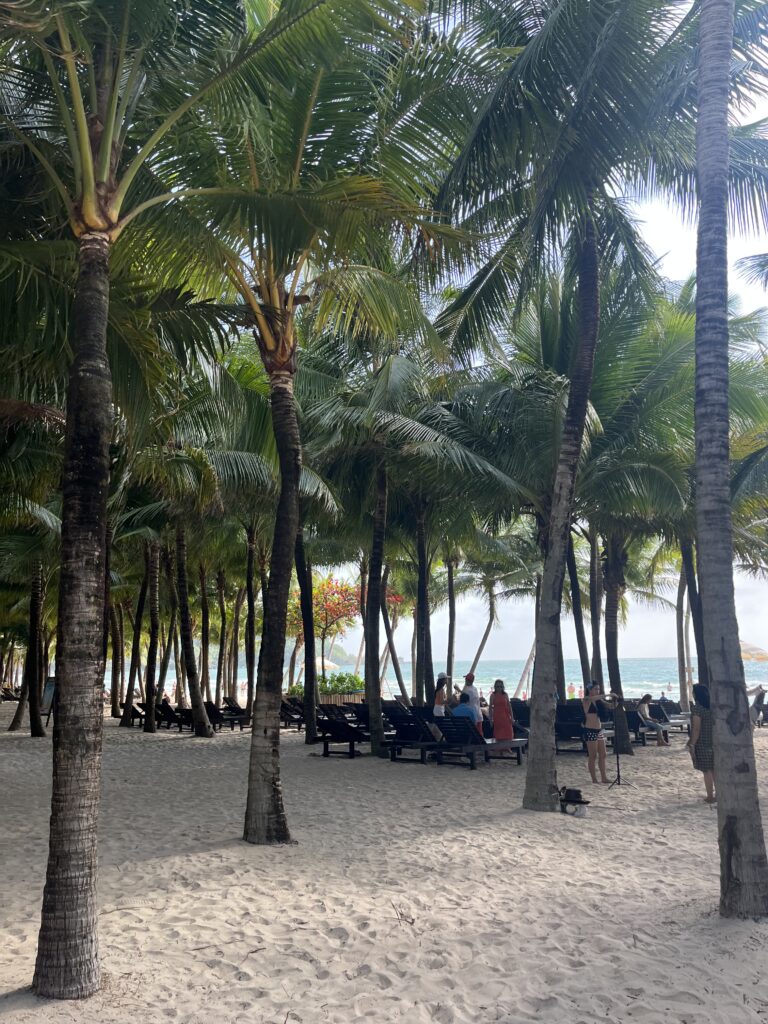
Located close to Sao Beach, but much more developed. There are many hotels along the shore, and free shuttle buses run to Sunset Town, which is very convenient. Sunbeds cost about the same as at Sao Beach, although cocktails are slightly cheaper. The sand is still perfectly white — there are just a few more people, for obvious reasons. Every café has showers and toilets. For lunch, you can leave the beach area and walk around the neighborhood to find food much cheaper than at the beachfront restaurants. And if the sun becomes unbearable, you can hide under the huge palm grove behind the beach.
Long Beach
Long Beach is indeed very long — just like the name suggests. Some parts are more scenic than others, but the sand here is no longer bright white. It’s more yellowish and “normal-looking.” One thing I really loved: the distance between the sea and the palm trees is very small. For me, that matters a lot.
You probably won’t find any truly “wild” areas here — almost the entire coastline is built up with hotels and beach clubs. Unlike the southern beaches, the sunbeds here belong mostly to hotels, so you’ll need to either find a public area with available loungers or simply sit directly on the sand.
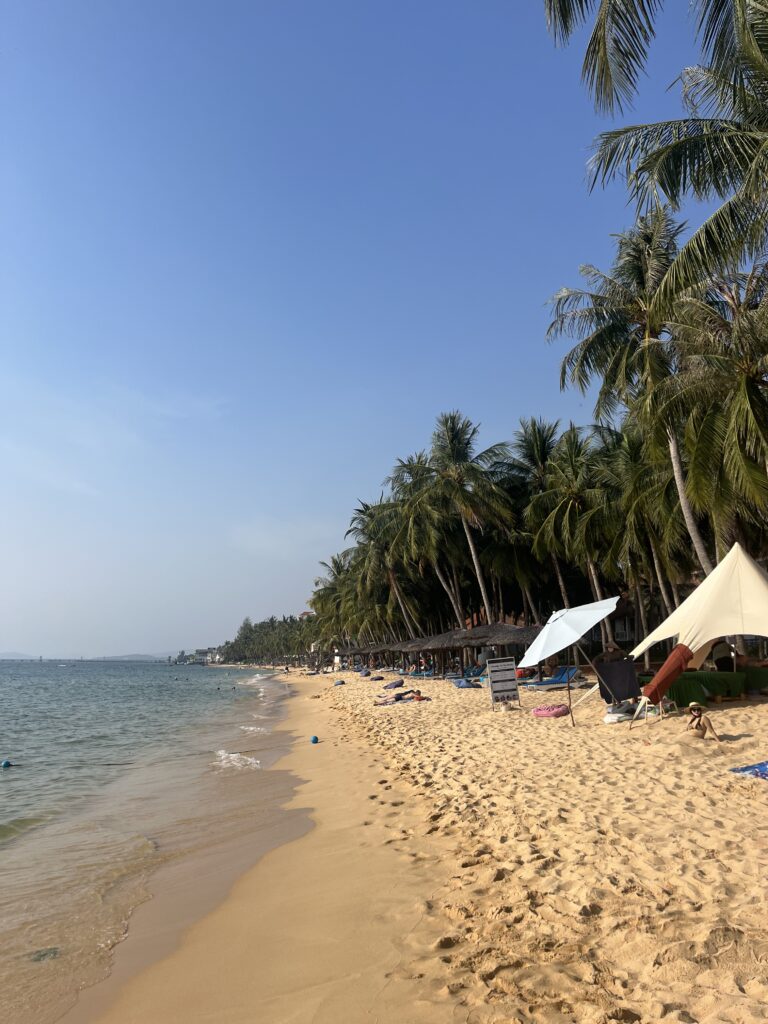
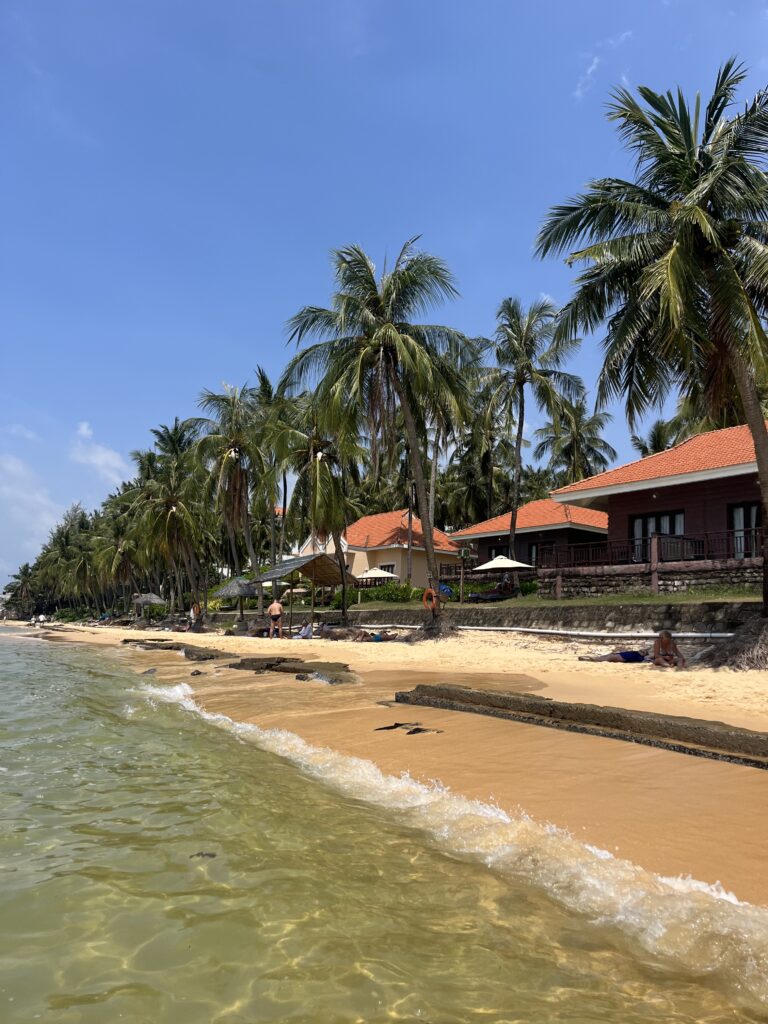
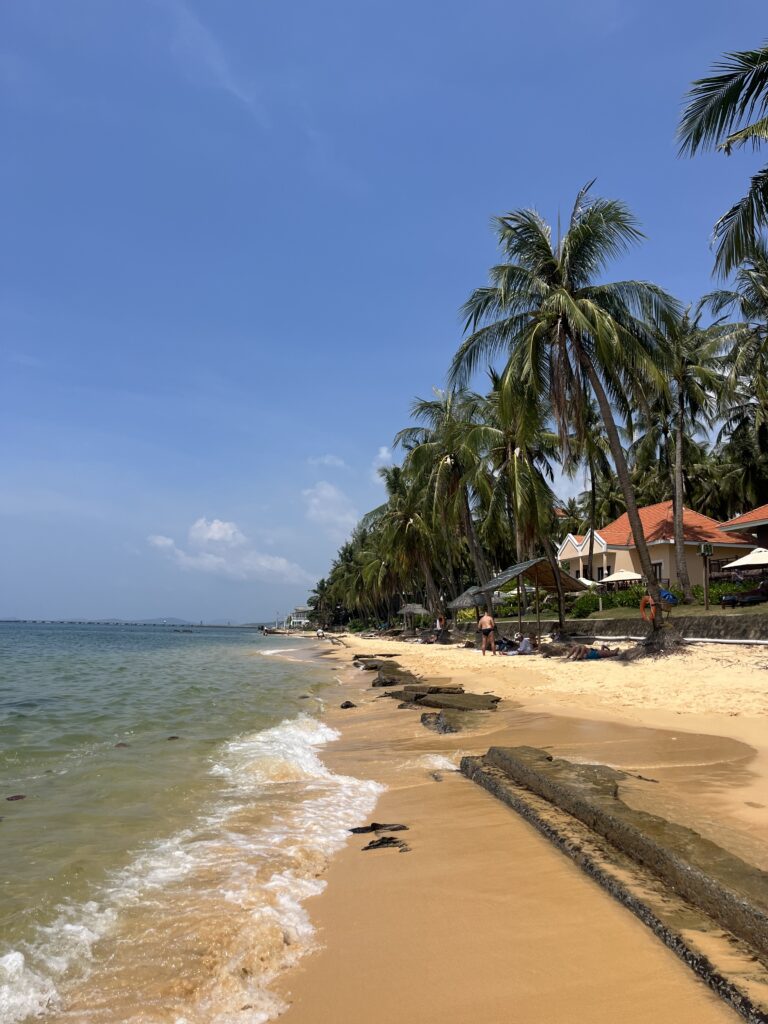
Because the beach stretches for kilometers, it never feels overcrowded. Various attractions are scattered along the coastline — probably the most famous one is Sanato (more about it here). And in the evenings, the beach turns into one long party.
Don’t miss it.
Read more:
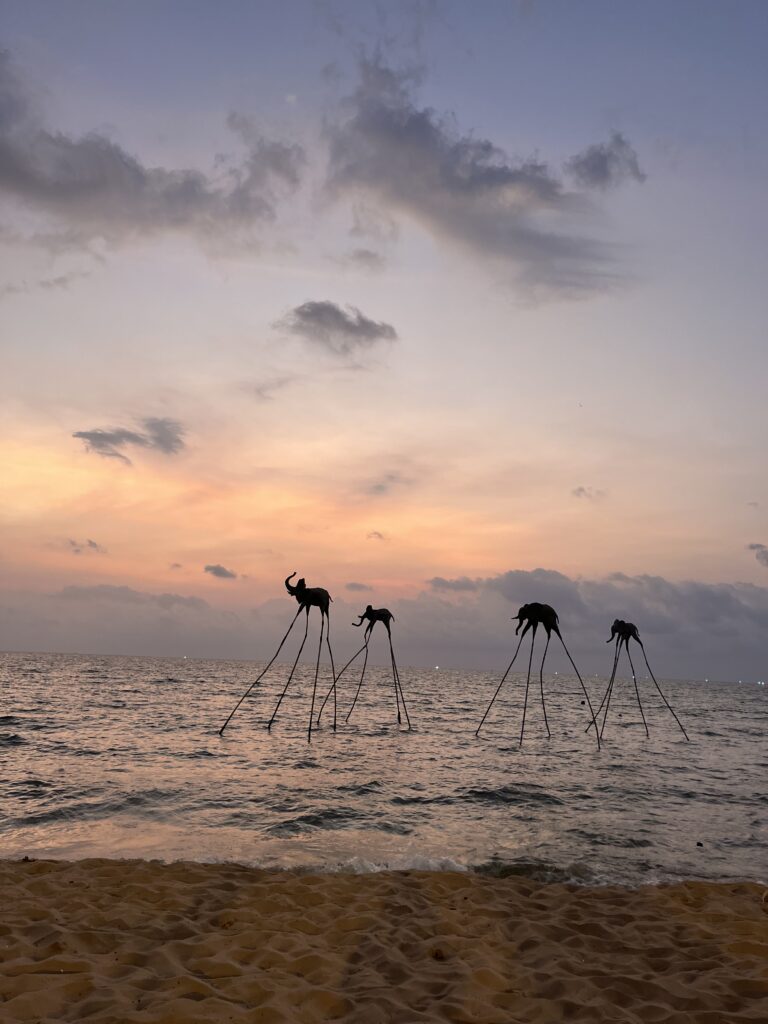
Phu Quoc Island’s Most Interesting Places
Feed giraffes, watch a mermaid show, ride a gondola through a Vietnamese version of Venice, catch the sunset from a bridge in the middle of the sea, watch fireworks, go island hopping with snorkeling.
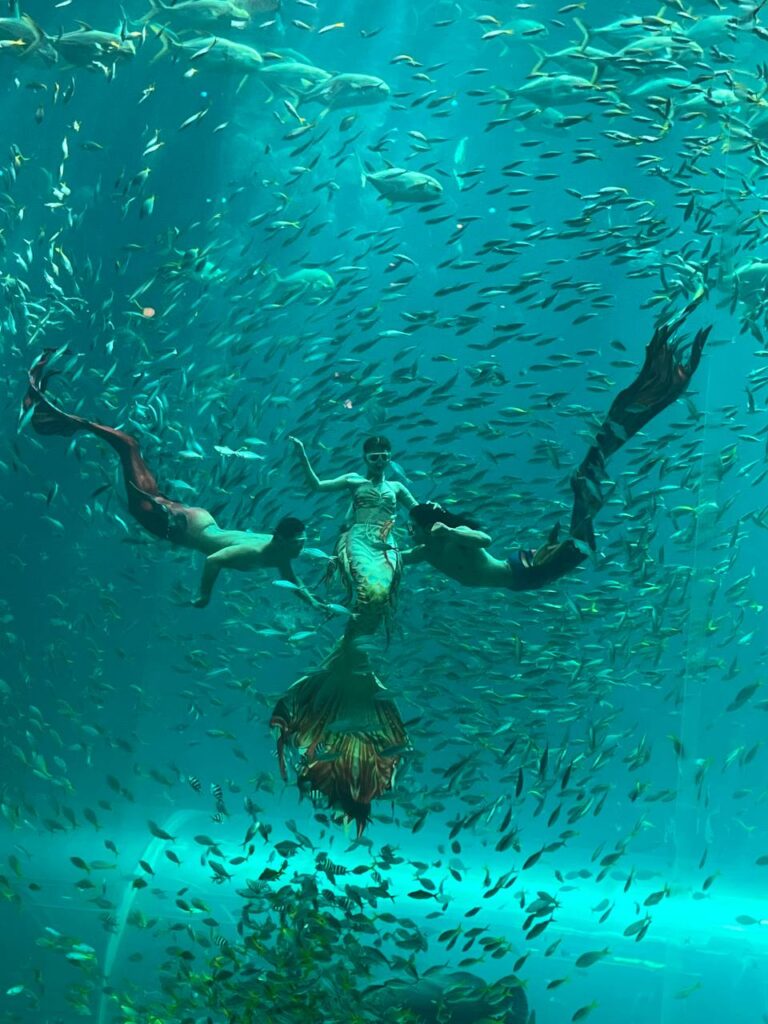
Giraffes and Mermaids: A Guide to VinPearl Safari & VinWonders
A comprehensive guide to the VinPearl Safari & VinWonders theme parks on Phu Quoc Island, Vietnam. How to get there, what rides to enjoy, where to feed the giraffes, and see the mermaid show.
Things to do in Goa
What’s there to do in Goa besides beaches, surfing, and food poisoning? I offer three options that could fill up a full three days of your Goa vacation.