


Bukhara Biennial
We may be simple people, but we are not entirely devoid of an appreciation for beauty. So when we found out that the first-ever Central Asian Biennale was taking place in Bukhara, Uzbekistan, there was no way we were going to miss it.
How to Get There
Besides flying, you can reach Bukhara from Tashkent or Samarkand by taking the high-speed Afrosiyob train. Just make sure to buy your tickets well in advance because they sell out quickly. Alternatively, you can take a regular train. It’s less comfortable and takes longer, but there are overnight departures, so you can wake up in Bukhara the next morning.
Bukhara
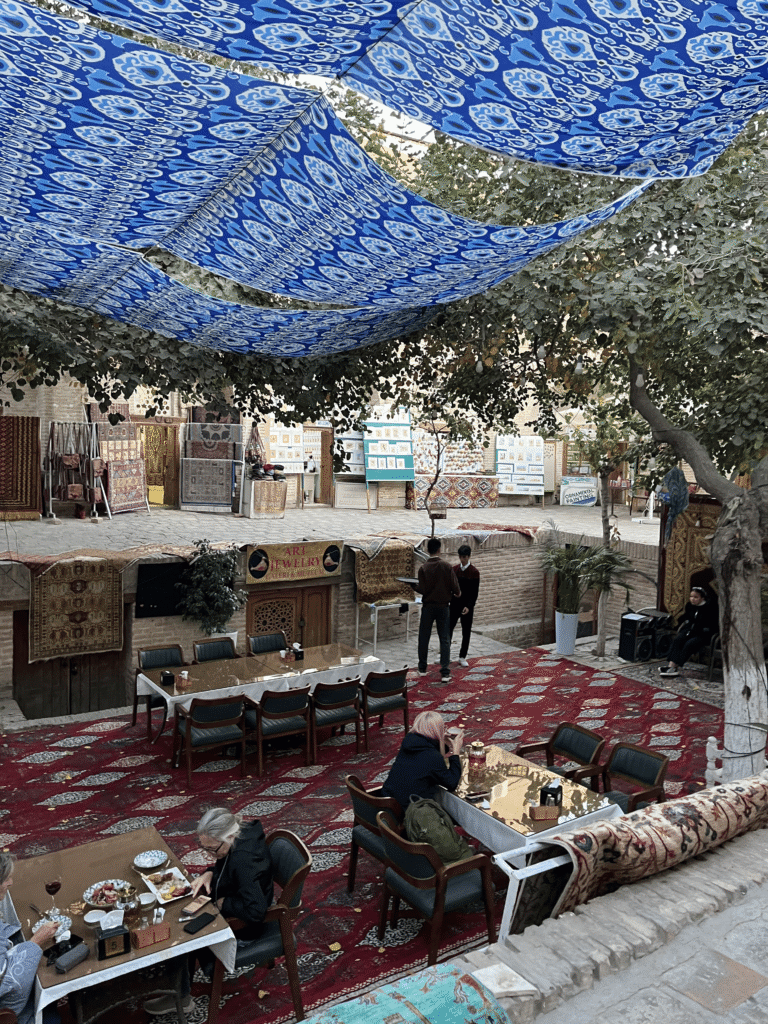
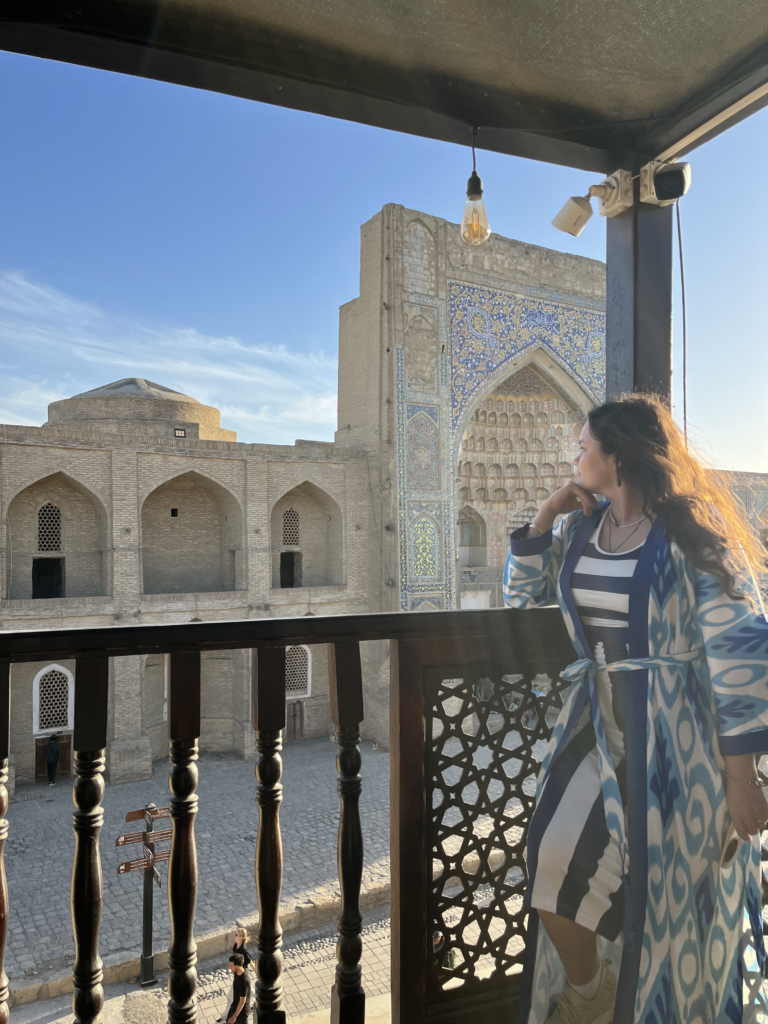
Bukhara is smaller than Samarkand, but no less historic. In fact, I like it even more. All the major attractions are within walking distance of each other, and the old town feels like a giant open-air museum. Which is probably why it was chosen as the venue for the Biennale.
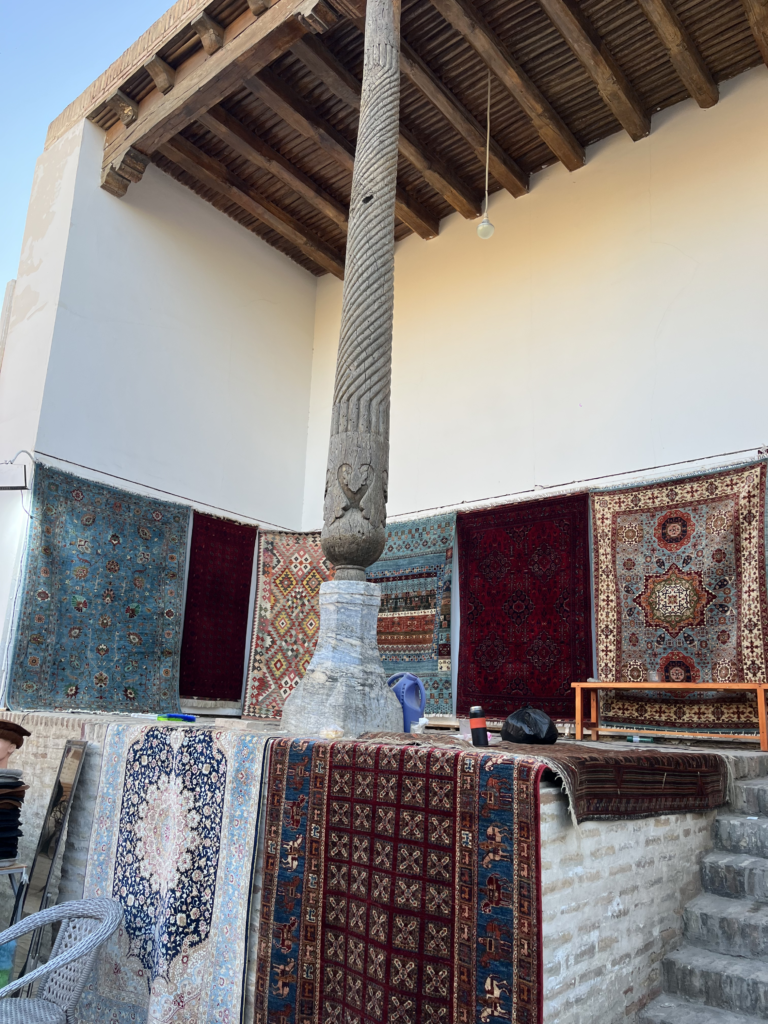
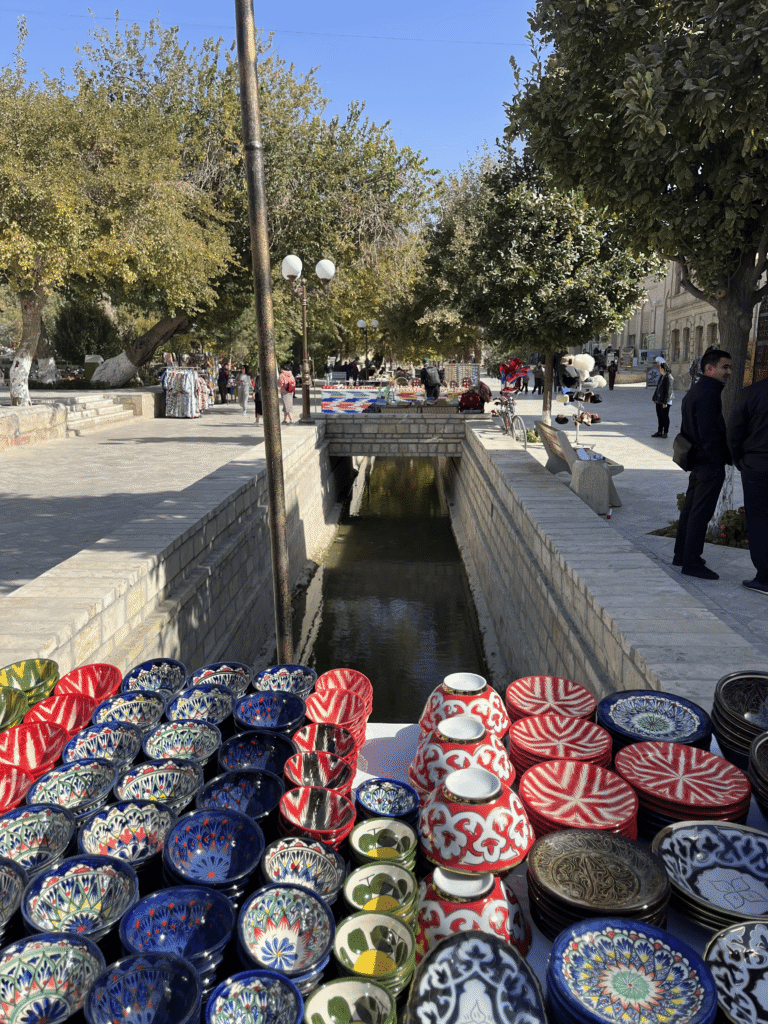
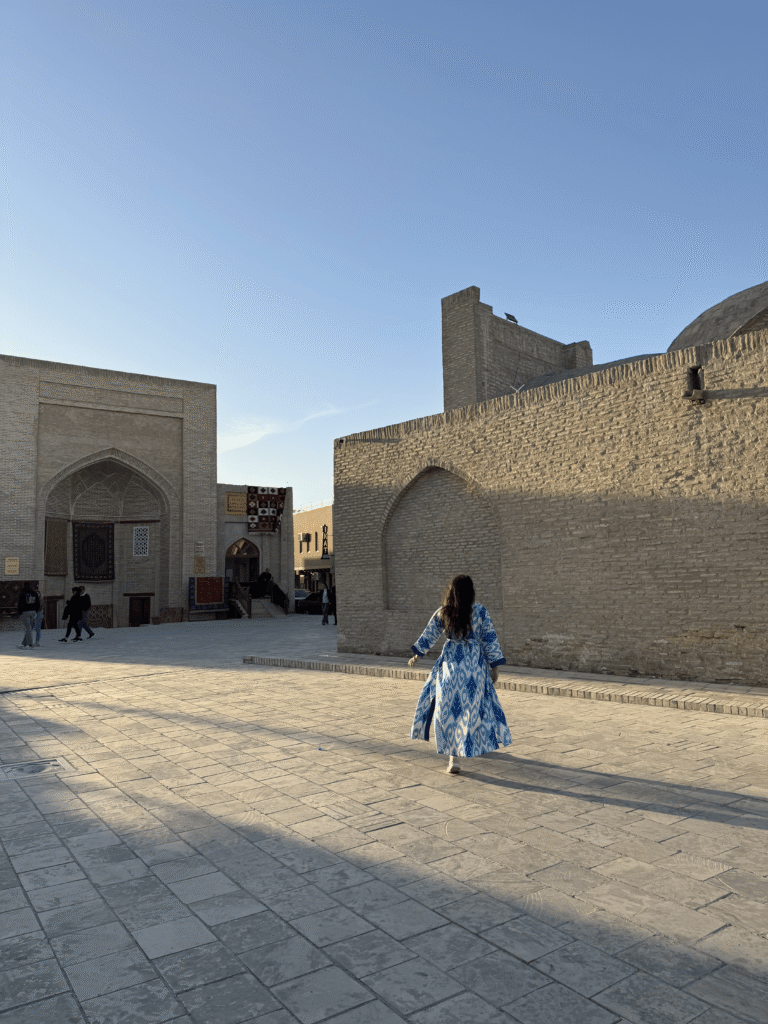
The best place to stay is in or near the historic center. Hotels in Bukhara are beautiful and surprisingly affordable. However, I must warn you about transportation. Unlike Tashkent and Samarkand, Yandex Taxi works rather poorly here, especially at night. Enter the local “taxic” mafia. Drivers seem to have reached some sort of collective agreement not to accept rides—or to accept them and then mysteriously never arrive.
While you’re waiting, a private taxi driver will conveniently pull up next to you and explain that your Yandex driver is definitely not coming. And, as if by magic, your Yandex driver indeed never comes. You eventually surrender and ride with the private driver for at least twice the Yandex fare.
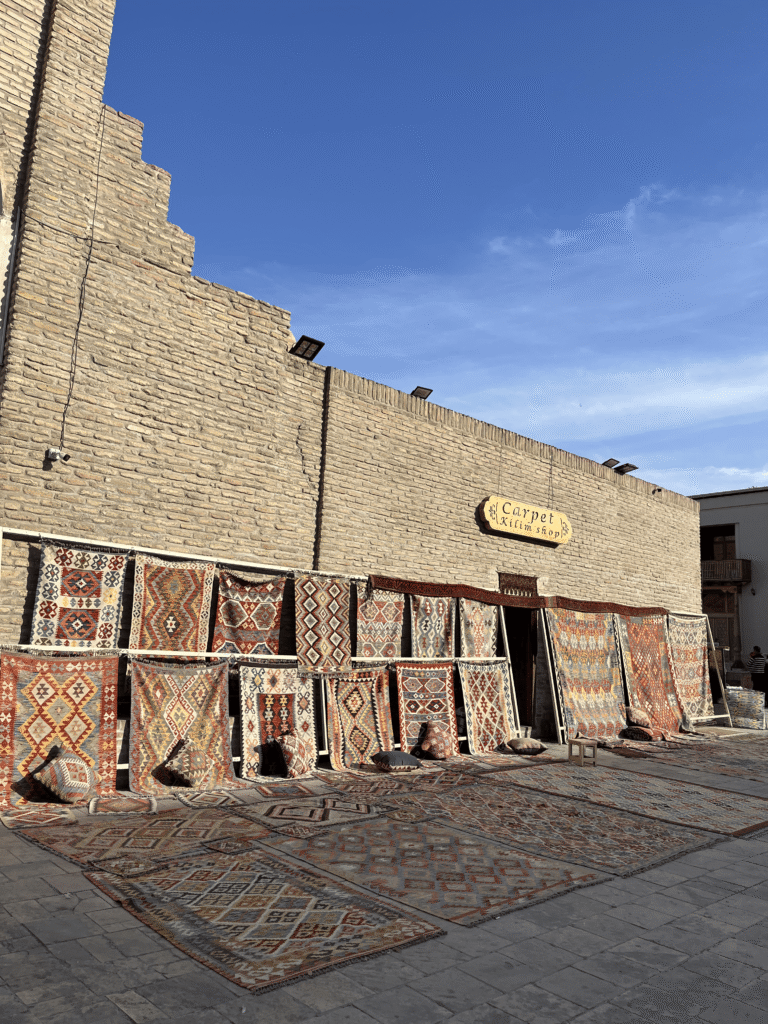
I also strongly recommend carrying cash. At markets, souvenir shops, and many cafés, cards are simply not accepted. In other places, including your hotel, the card terminal tends to “break” approximately five minutes before your arrival.
A Very Important Note About Plov
Authentic Uzbek plov is cooked in the morning and often sells out by lunchtime. So if you want to try the real thing, don’t plan for dinner. Go at lunch instead. Better yet, go early before the locals eat it all.
The Biennale
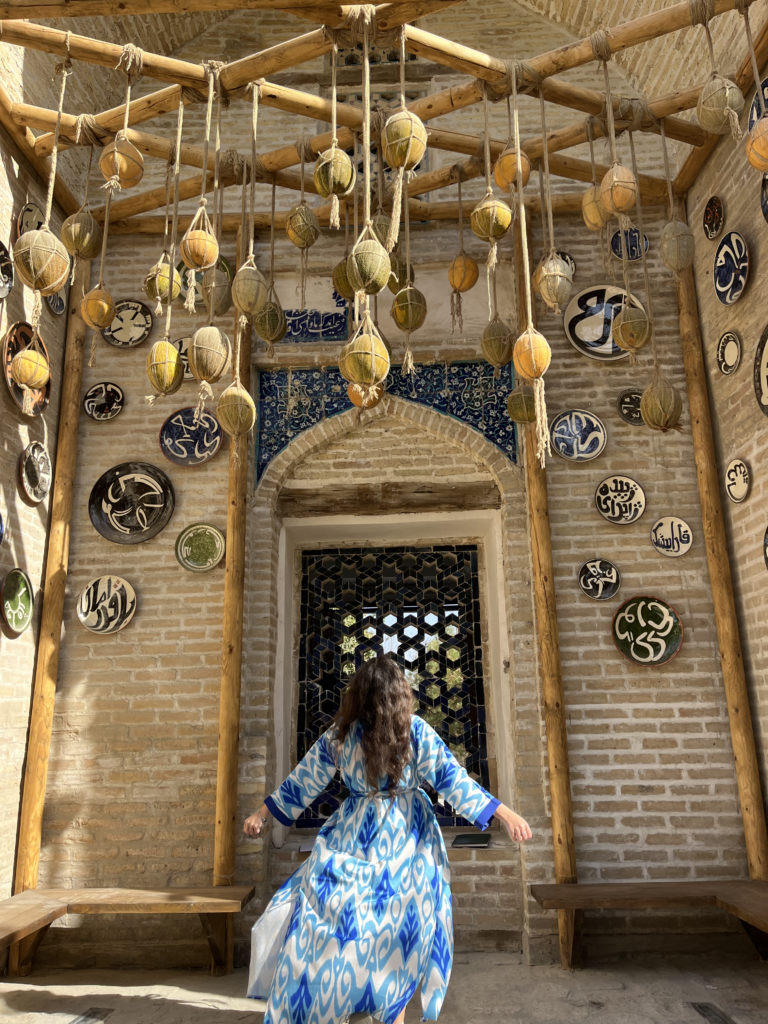
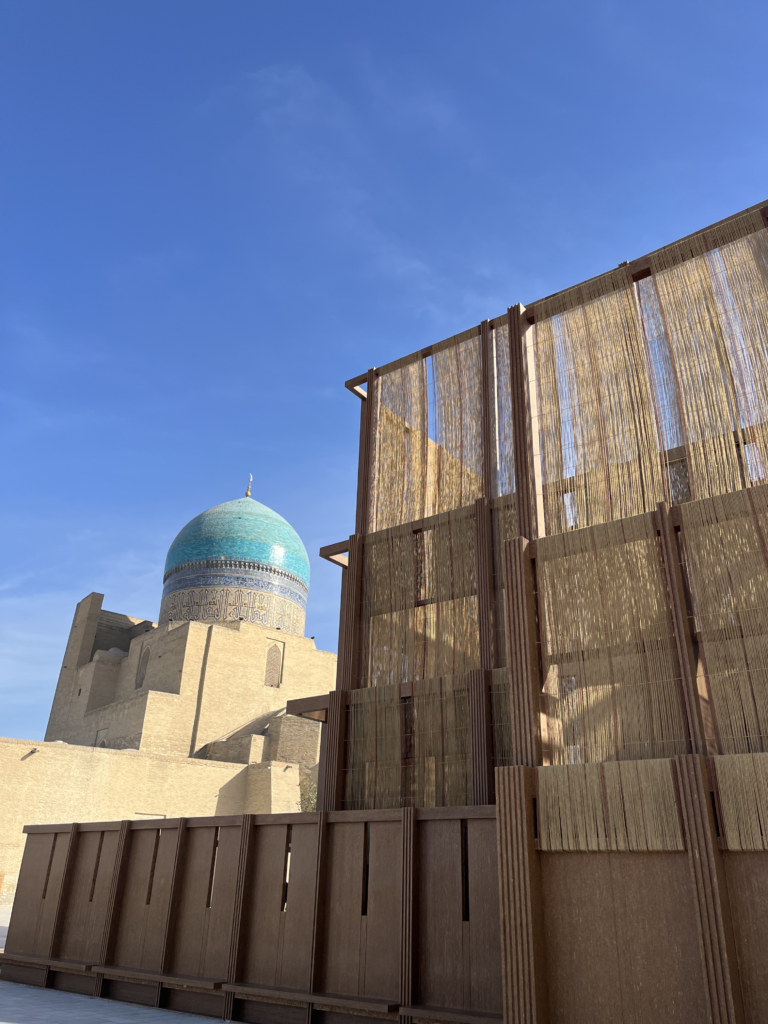
The Bukhara Biennale stretches across the entire historic center of the city. Exhibitions and installations are located directly inside historical and cultural landmarks. Artists and craftsmen from all over the world contributed works displayed throughout Bukhara’s ancient sites. The scale of the project is genuinely impressive.
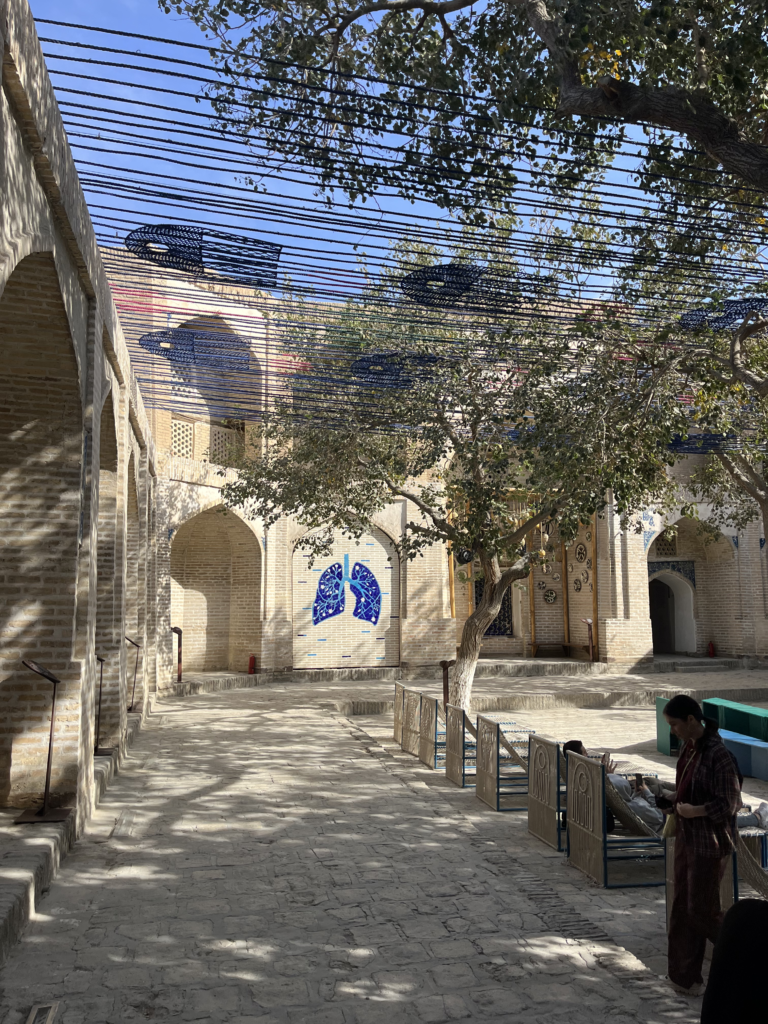
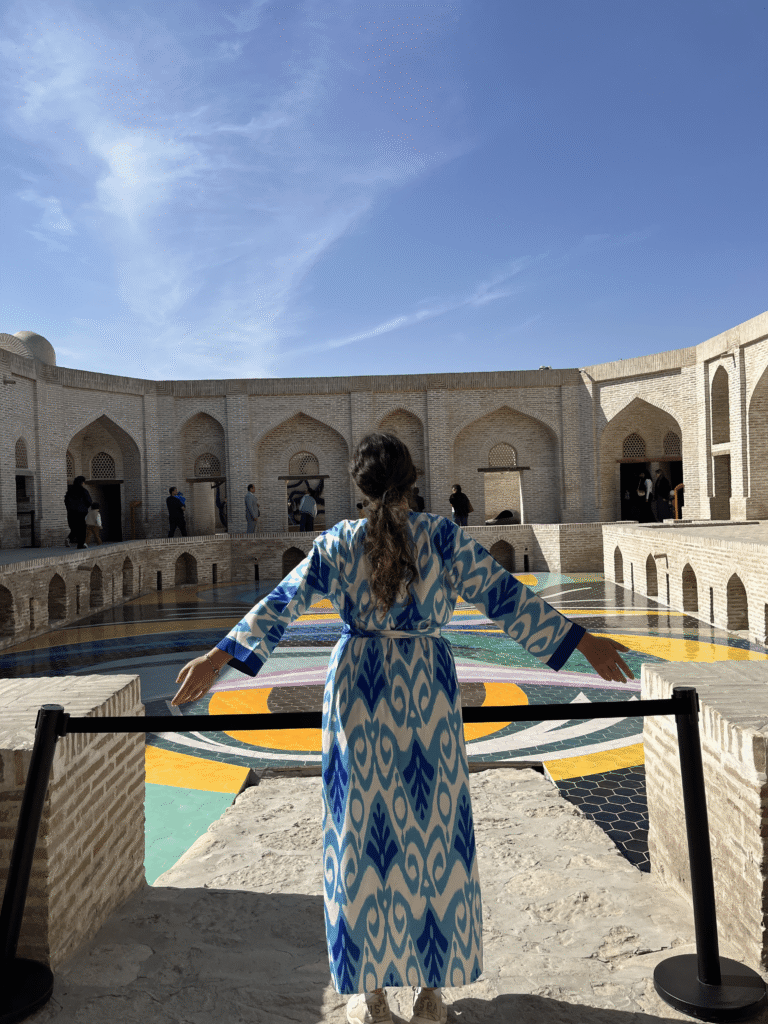
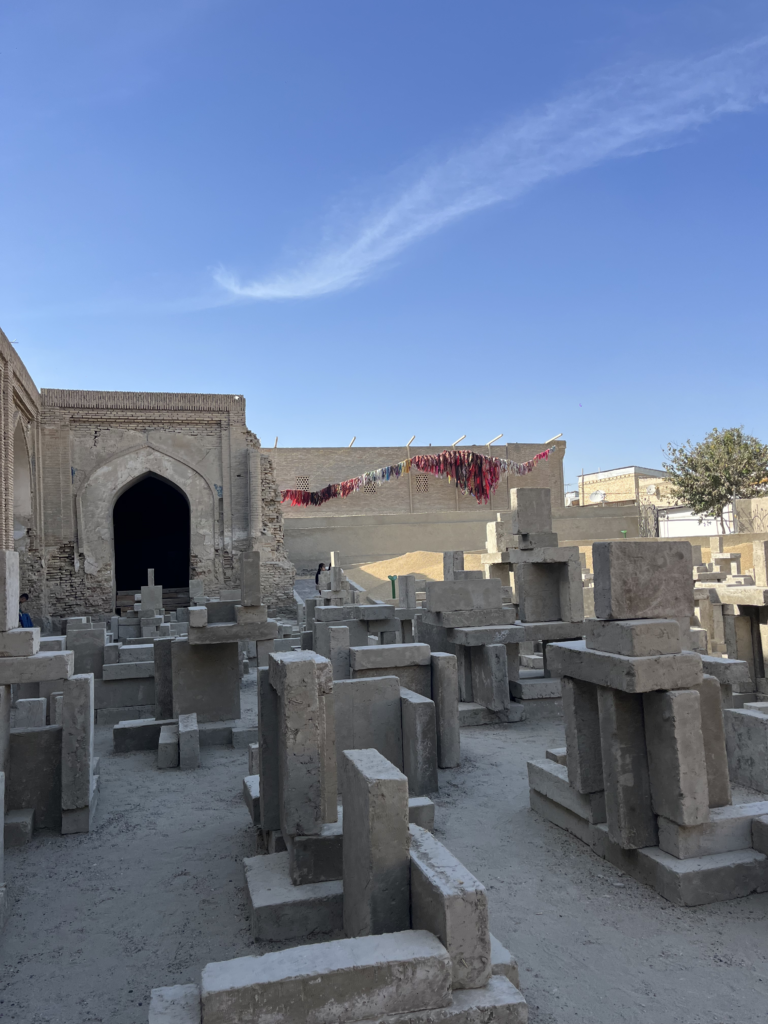
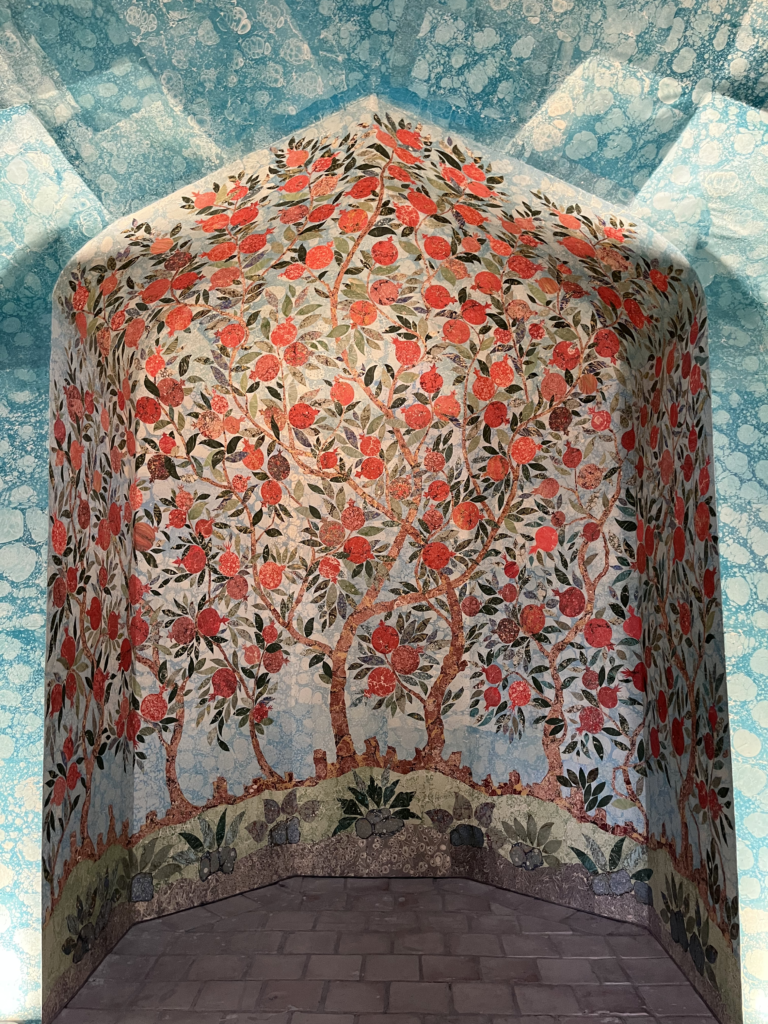
The overall aesthetic combines Central Asian traditions with contemporary art.
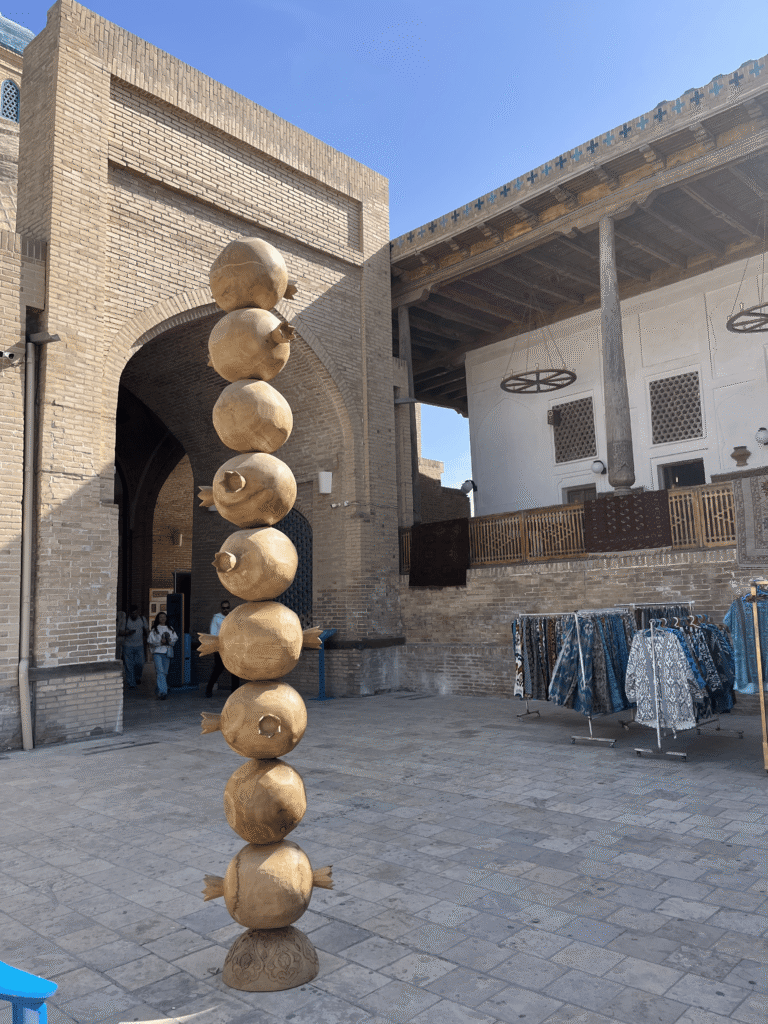
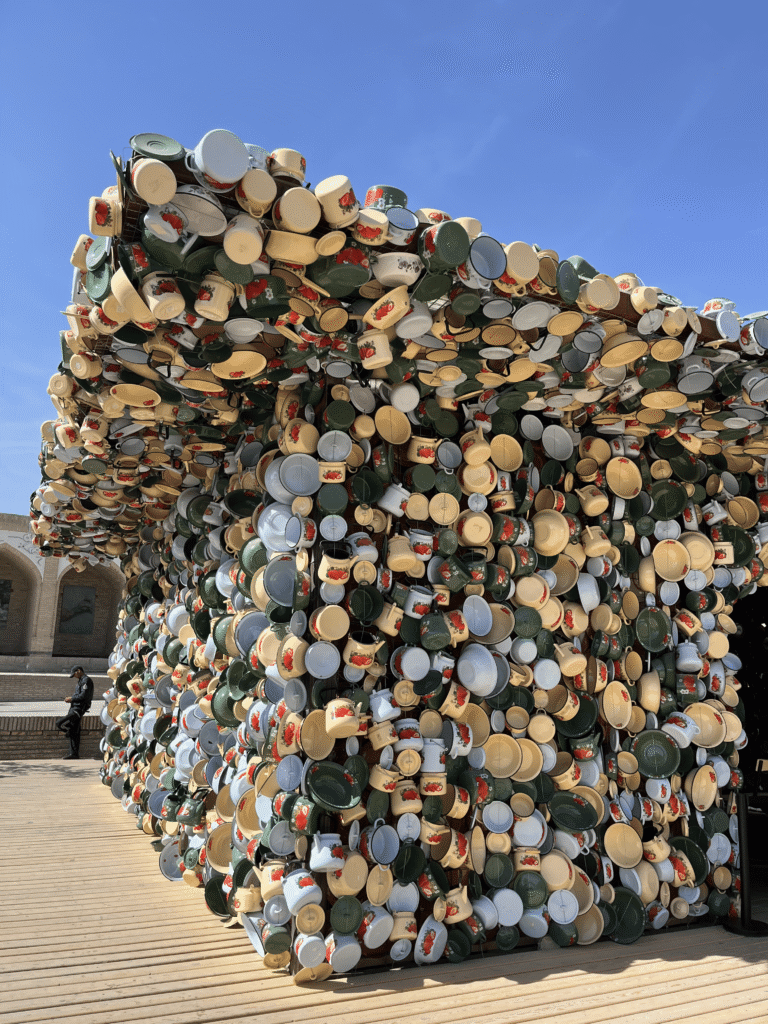
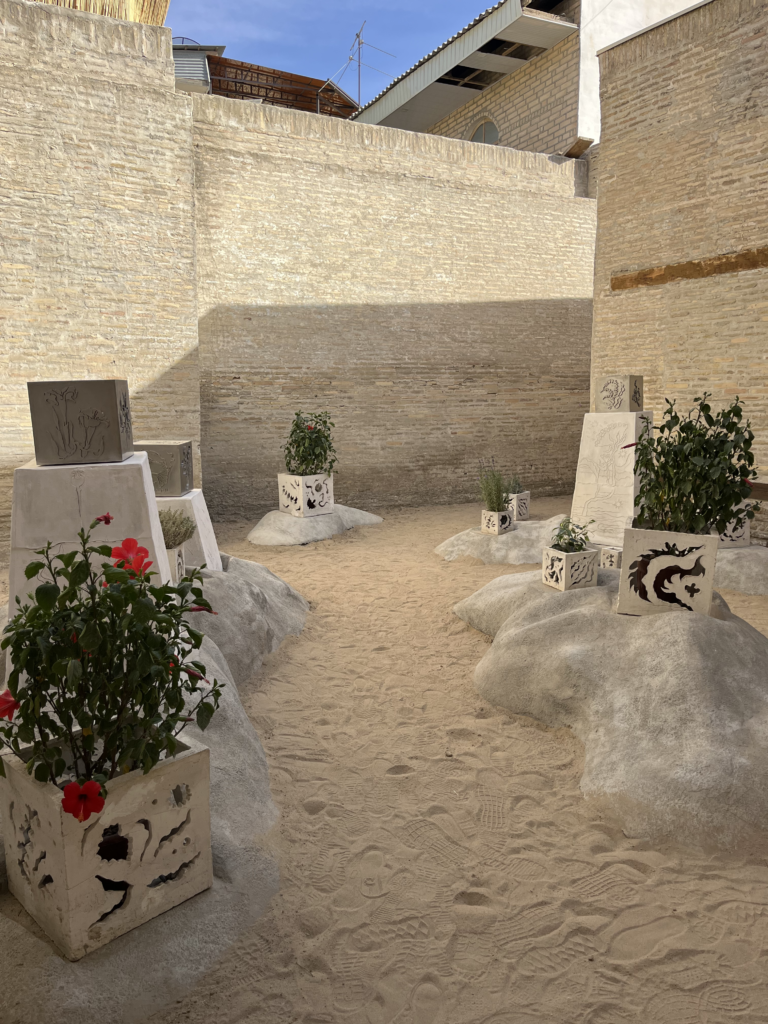
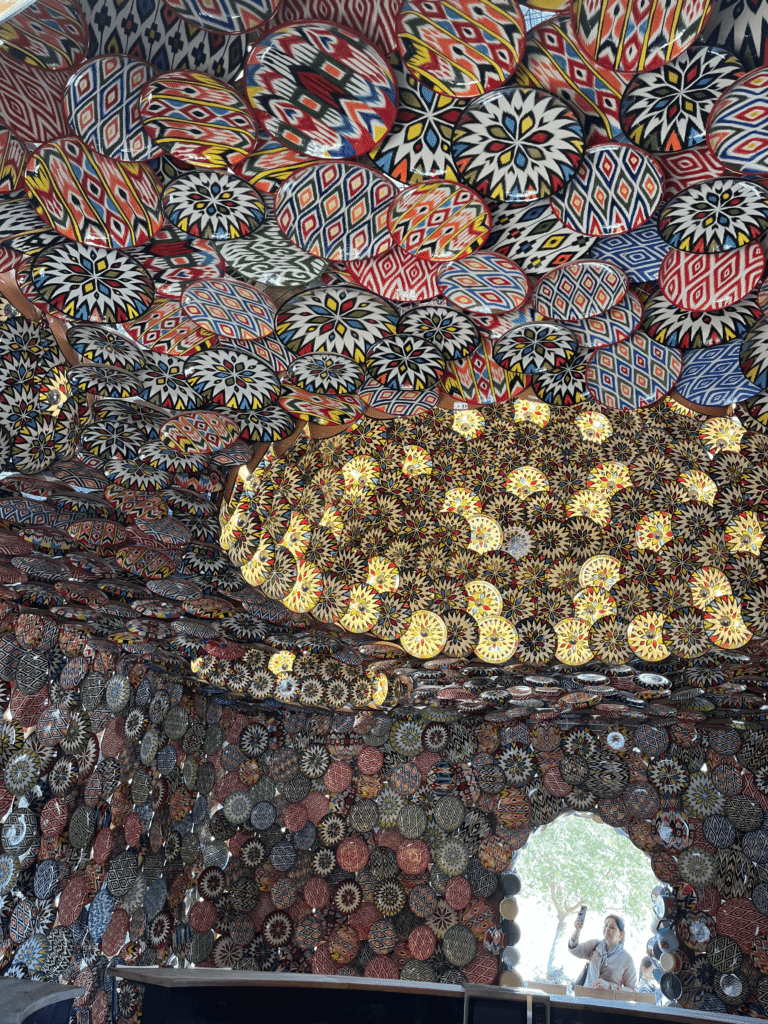
To be completely honest, we understood absolutely nothing. Even the exhibition labels didn’t help much. What did help were the Biennale guides stationed around the venues. One guide walked us through the main installations, explained the artists’ backgrounds, their styles, and the stories behind the works. Suddenly, what had seemed bizarre started making sense. If only every contemporary art museum worked this way.
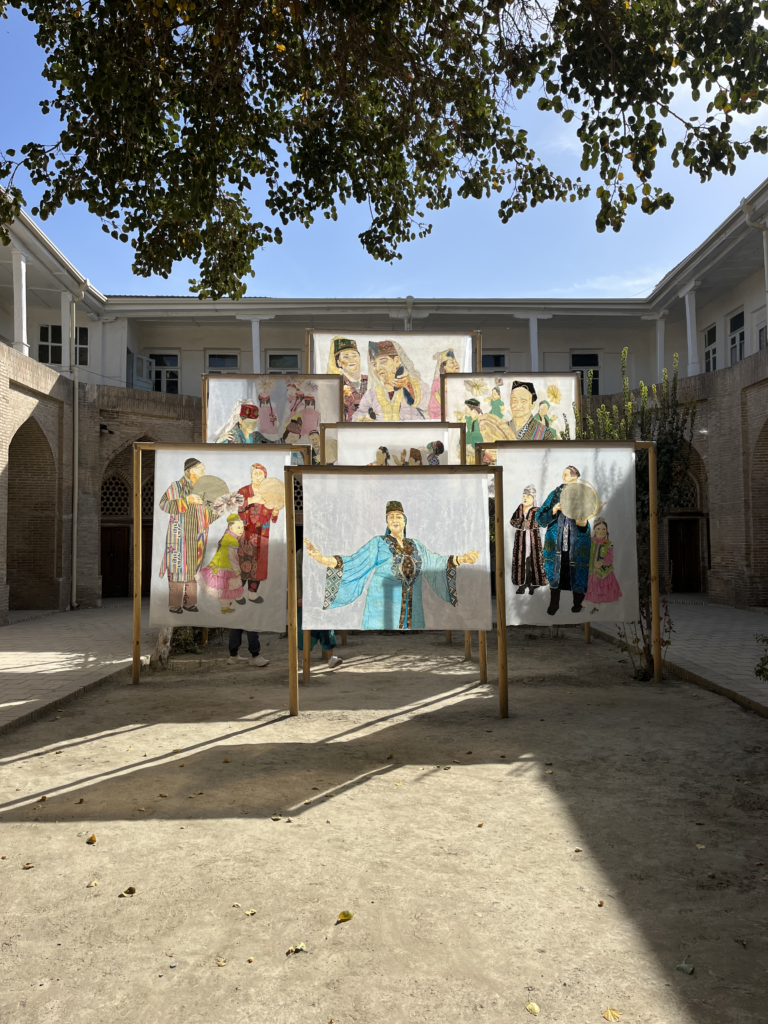
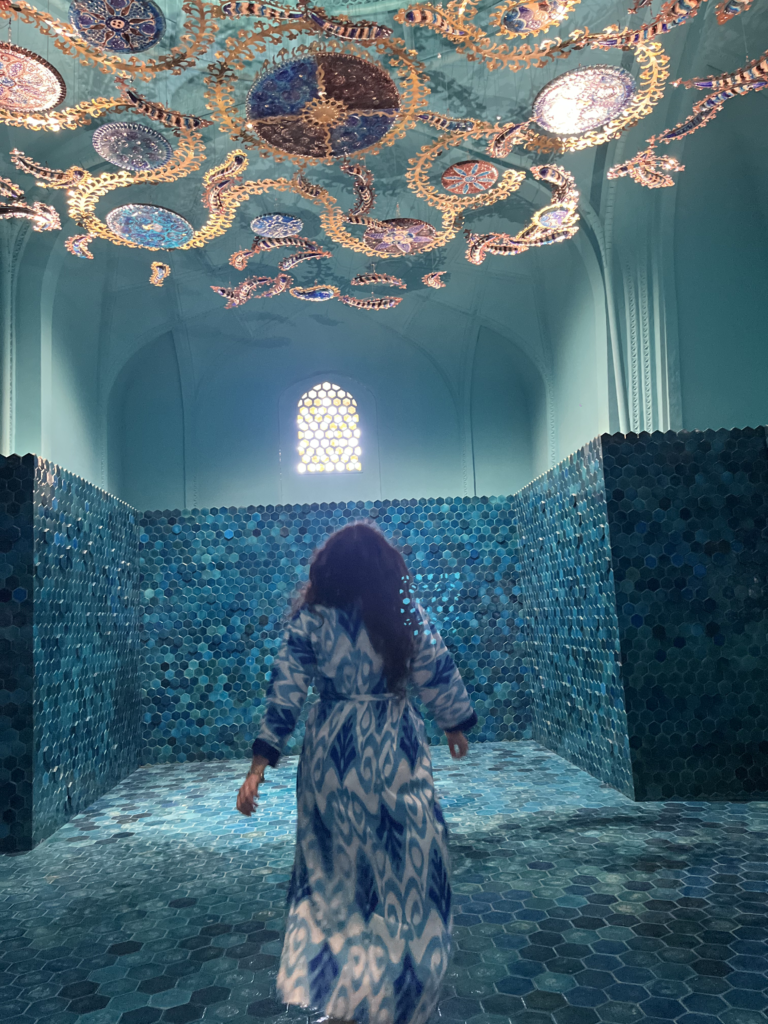
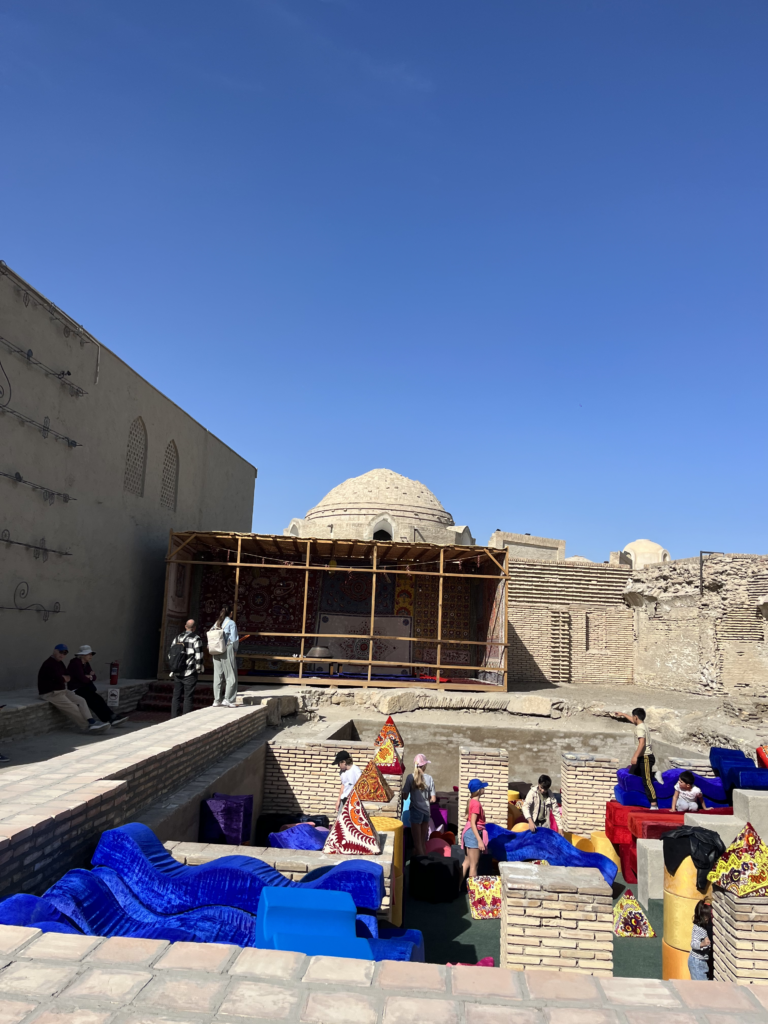
That said, even without a guide, wandering through the exhibitions is a visual treat. And the photo opportunities are incredible. Check out my video review of the Biennale venues. Hopefully, the Bukhara Biennale will return in 2027 and be just as successful as its first edition.
Read more:
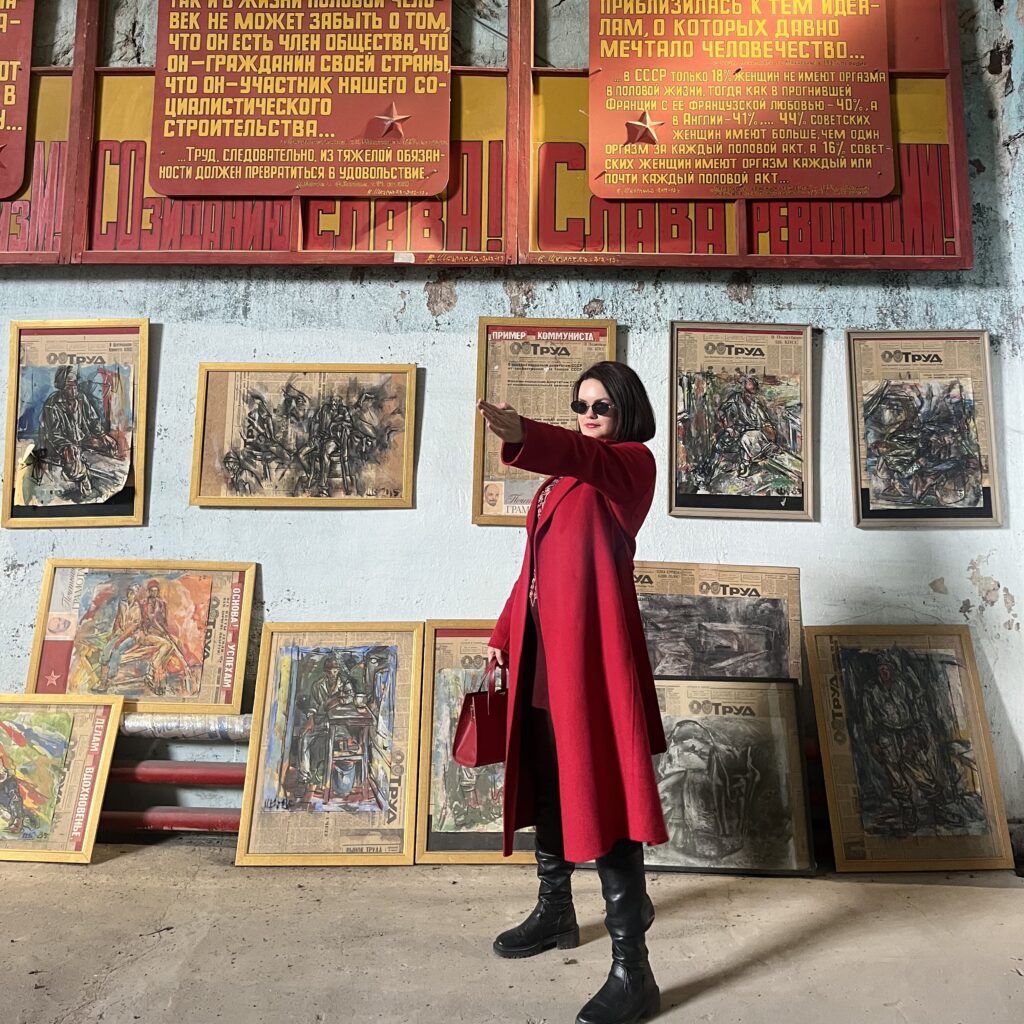
Bishkek Art Spaces
Bishkek rarely comes to mind as Central Asia’s art capital, but the city actually has quite a few unusual creative spaces. In this guide, I’ve gathered places where you can see exhibitions, attend art events, take some unique photos, and, at least for a few hours, feel like a cultured person..
Kolfest 2026
Kolfest is an annual music and art festival held on the southern shore of Lake Issyk-Kul in Kyrgyzstan.
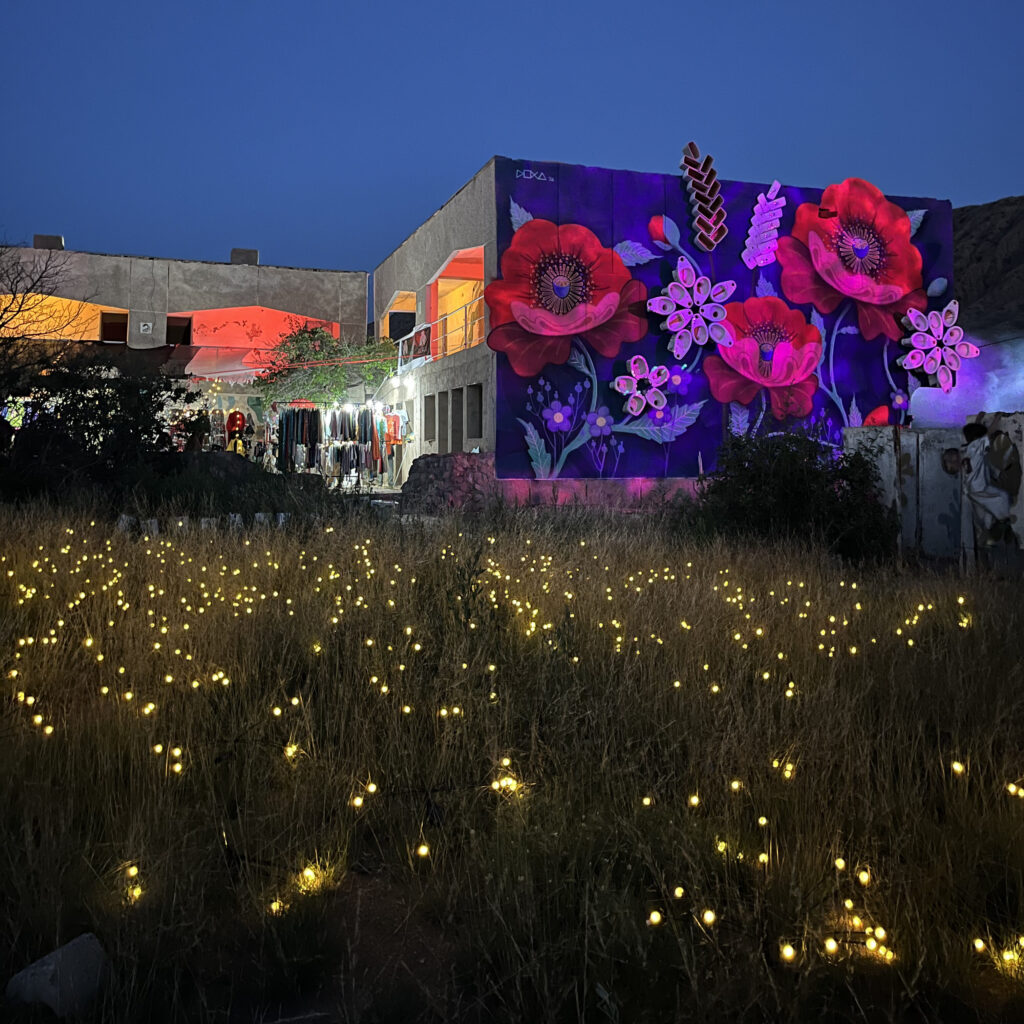
The territory of an abandoned Soviet-era resort on the southern shore of Issyk-Kul comes back to life – organisers manage to transform ruins into a dreamy bohemian space that makes you want to photograph literally everything.