


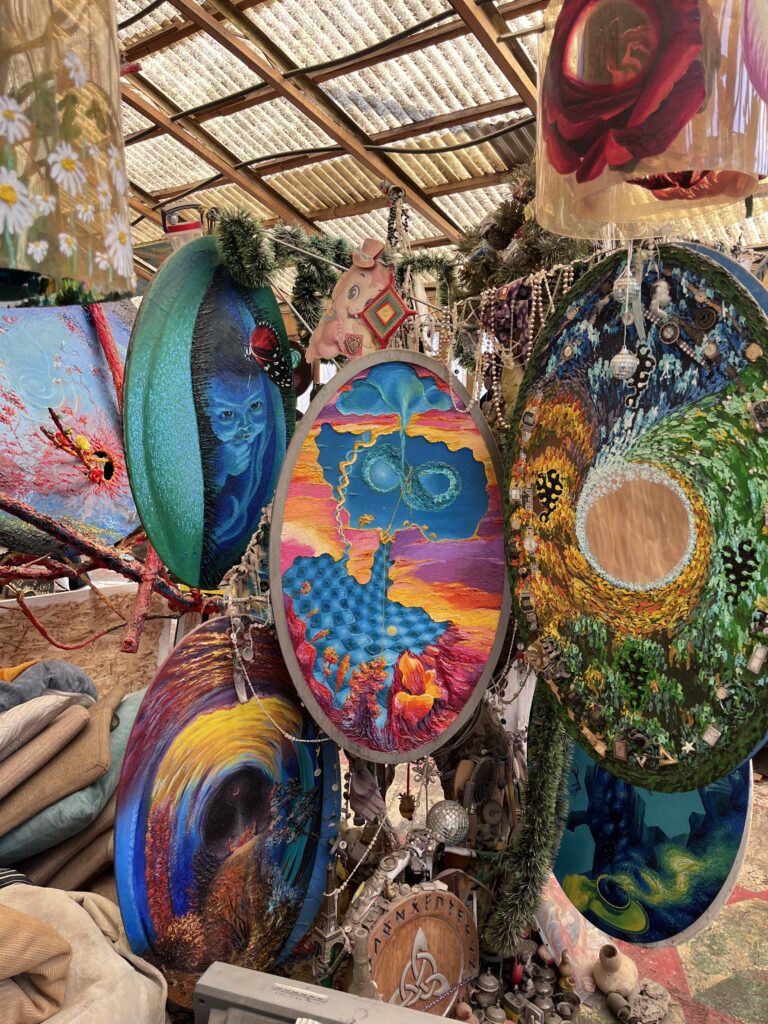
Bishkek Art Spaces
Bishkek rarely comes to mind as Central Asia’s art capital, but the city actually has quite a few unusual creative spaces. In this guide, I’ve gathered places where you can see exhibitions, attend art events, take some unique photos, and, at least for a few hours, feel like a cultured person.
Museum of Great Emptiness
Imagine the home of a mad artist. A mad artist in the best possible sense, of course. You won’t find more psychedelic artwork anywhere in Kyrgyzstan. But let’s start from the beginning.
The museum, which is also the artist’s home, is located about thirty minutes outside Bishkek in the village of Orto-Sai. Address. Now pay attention: admission is free for women. For men, not necessarily. They may simply refuse to let you in. If you’re a man, you’ll be carefully examined and, if deemed worthy of entering the museum, treated to a lecture about how men bring danger and destruction, while women represent harmony and creation. And honestly… where’s the lie?
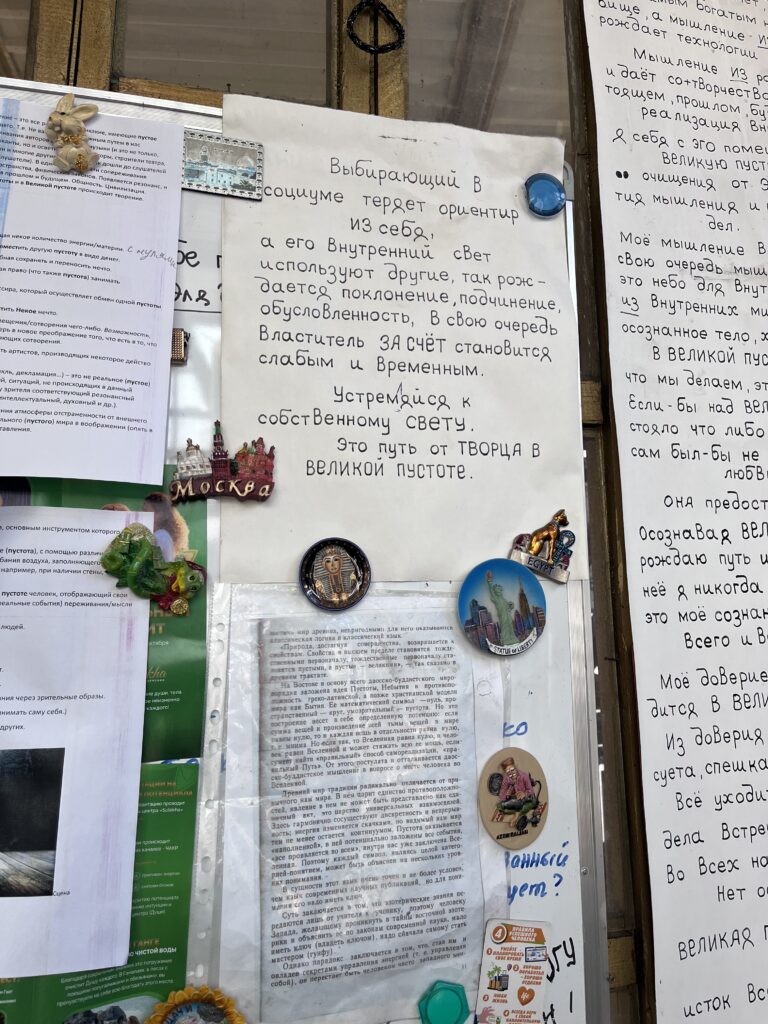
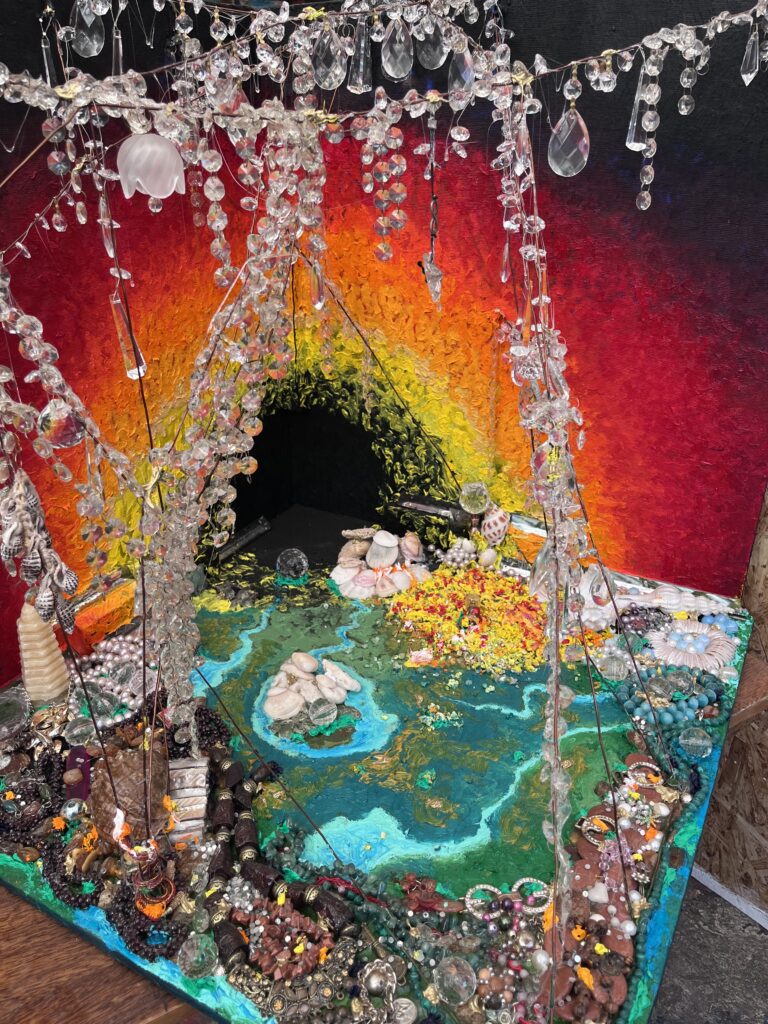
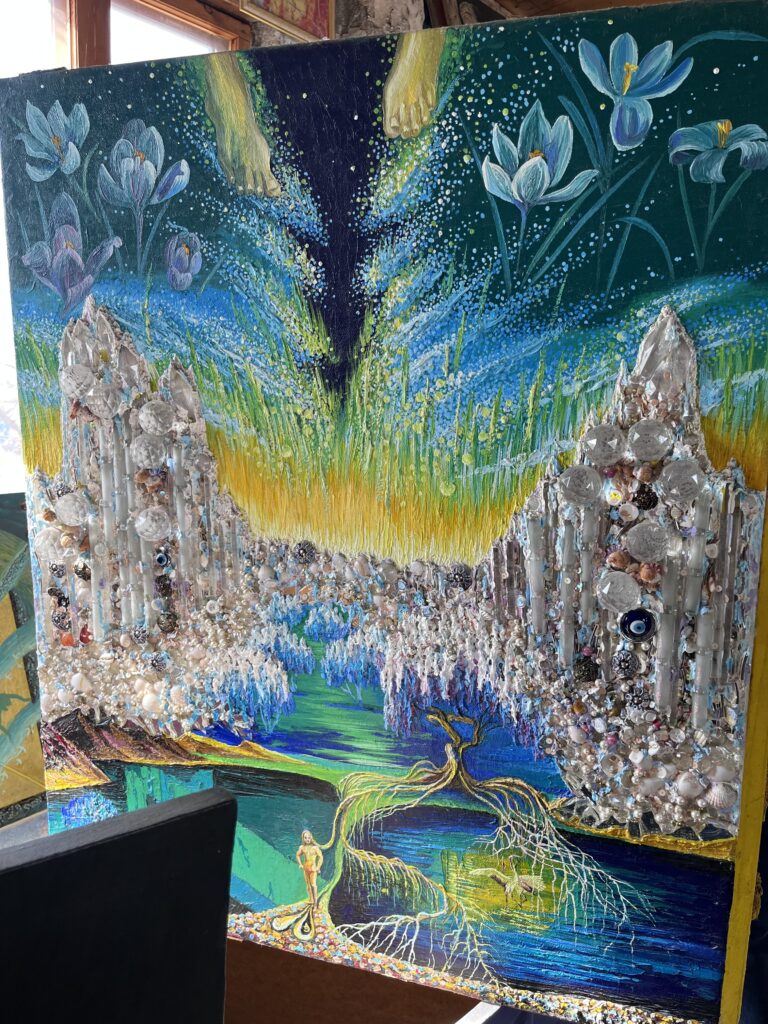
Admission fee isn’t mandatory, but donations are encouraged. Useful things like cat food are especially appreciated.
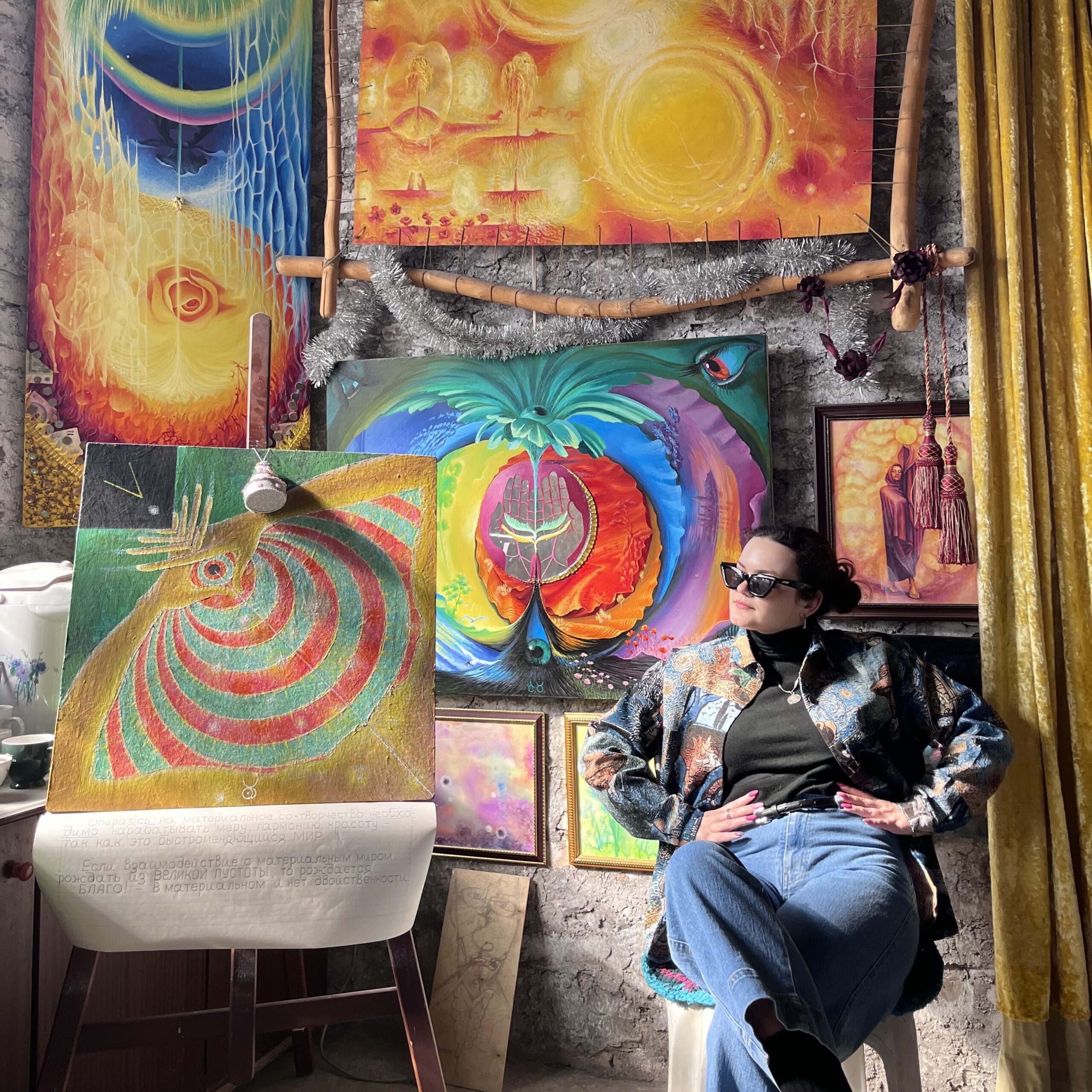
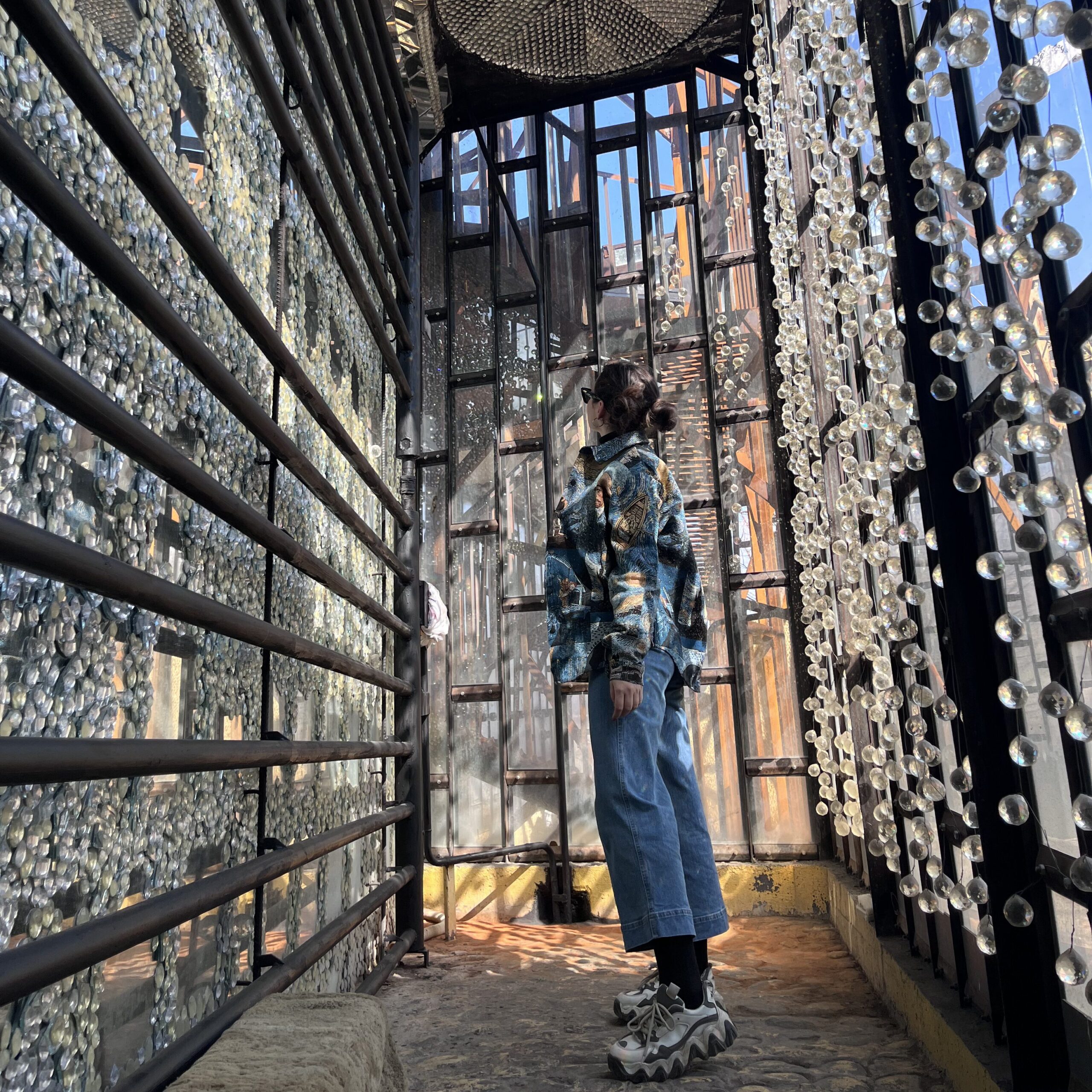
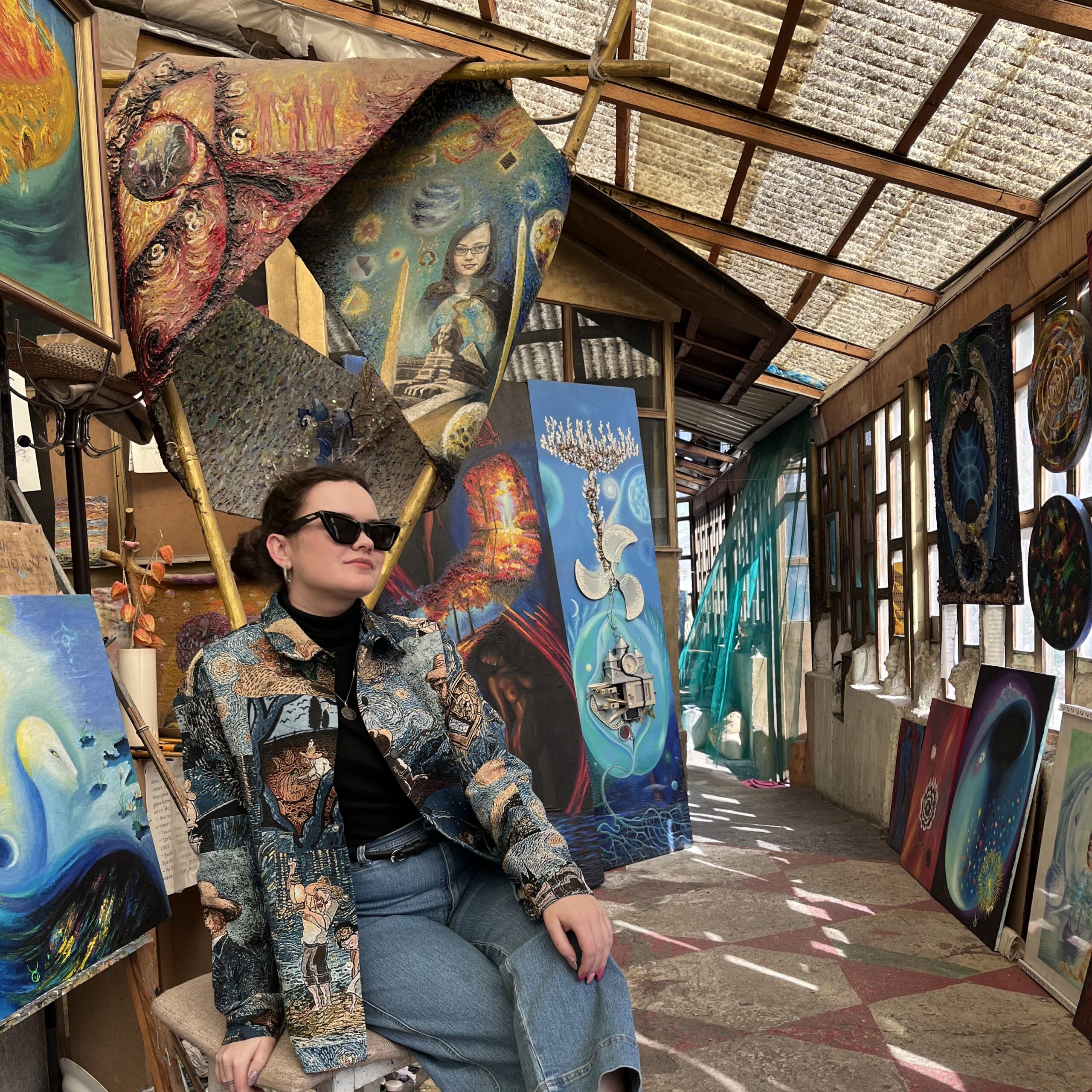
Once inside, it feels as if you’ve stepped directly into the artist’s mind. Every room has its own structure, theme, and logic—or lack thereof. The artworks are not simply painted. They are built from real objects, many of which look like they were rescued from a landfill. Somehow that only makes them cooler. Make sure to listen to at least one story behind the creation of a piece and wonder how such an idea could possibly have occurred to anyone.
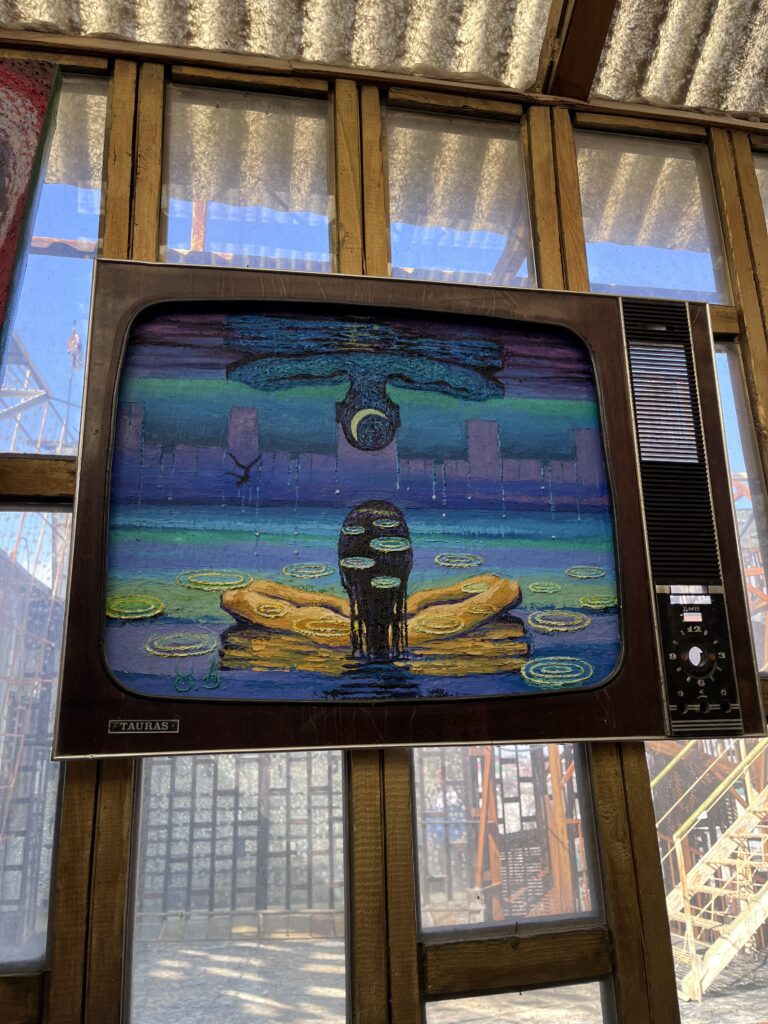
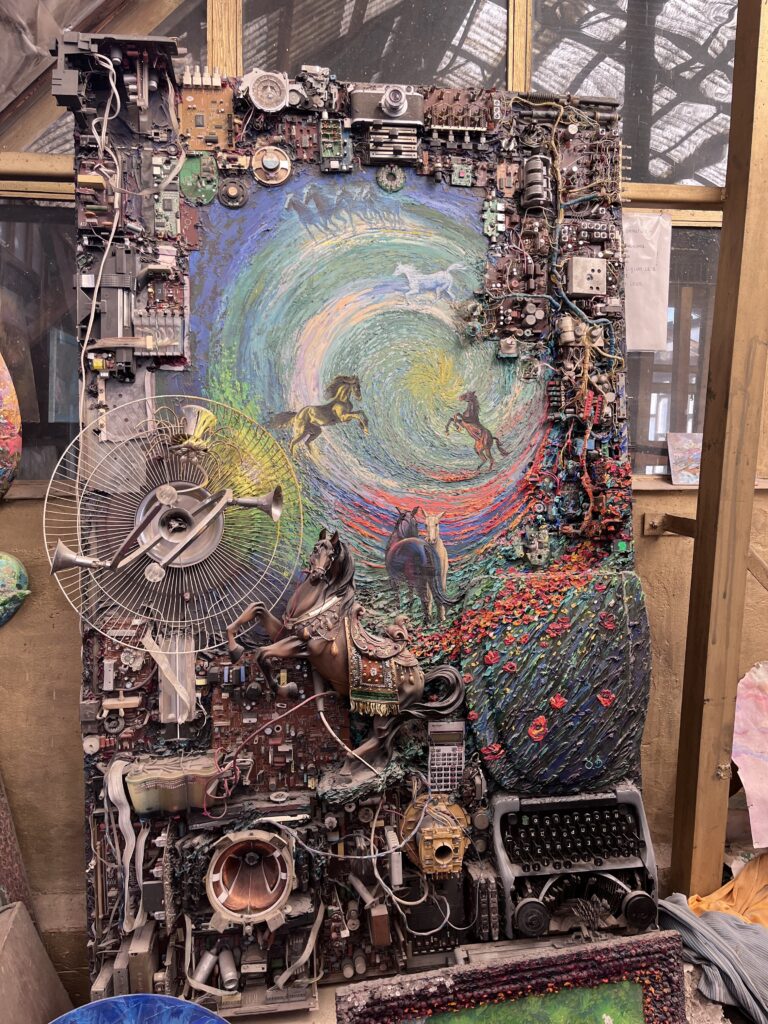
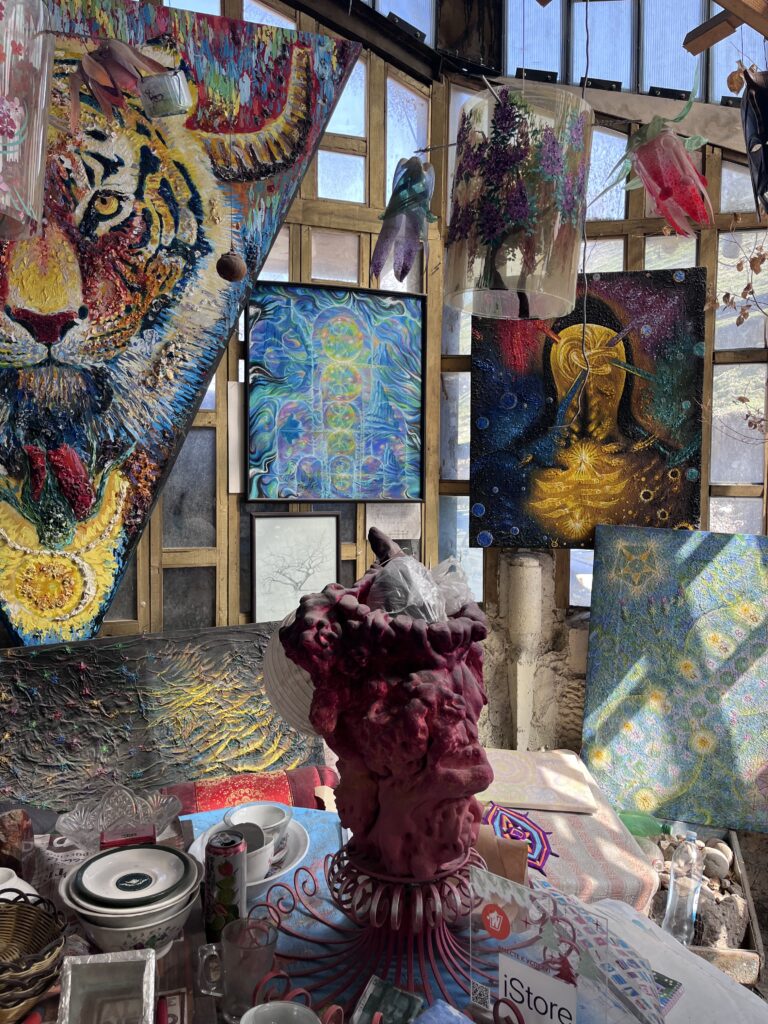
The house itself is multi-level. There is a cone-shaped meditation room, a glass room, a maze of installations, and various other spaces dedicated to spirituality, creativity, and whatever else happened to be passing through the artist’s mind at the time. You don’t need to understand or even agree with the artworks. There are so many details that understanding everything is impossible anyway. What you can do, however, is take a lot of wonderfully niche photos.
Tolon Museum of Modern Art
To be honest, I don’t really understand so-called contemporary art. Yet I continue trying. I don’t understand it, but I persist. If you’d like to attempt understanding contemporary art without flying to the Guggenheim or other famous modern art museums around the world, visit the Tolon Museum.
Like the Museum of Great Emptiness, it is located outside of Bishkek. From the outside, it looks exactly like what contemporary art deserves: an abandoned factory. Unfortunately, unlike abandoned factories, admission is not free. The museum’s founders think very highly of themselves, so a ticket costs around $20—more than the Louvre, the Hermitage, the Natural History Museum, and several other world-famous museums I could continue listing.
When we asked why the price was so high, our guide explained that they don’t want crowds, and if someone cannot afford a $20 museum ticket, then high culture is probably not for them. Fortunately, us uncultured peasants can visit for free a few times a year during open exhibitions. All announcements are posted on the museum’s Instagram page.
The museum grounds are enormous. Without a guide, you’ll probably never find half of the exhibition halls. The guide functions more as a navigator than an interpreter, so don’t expect lengthy explanations about the hidden meaning of every artwork.
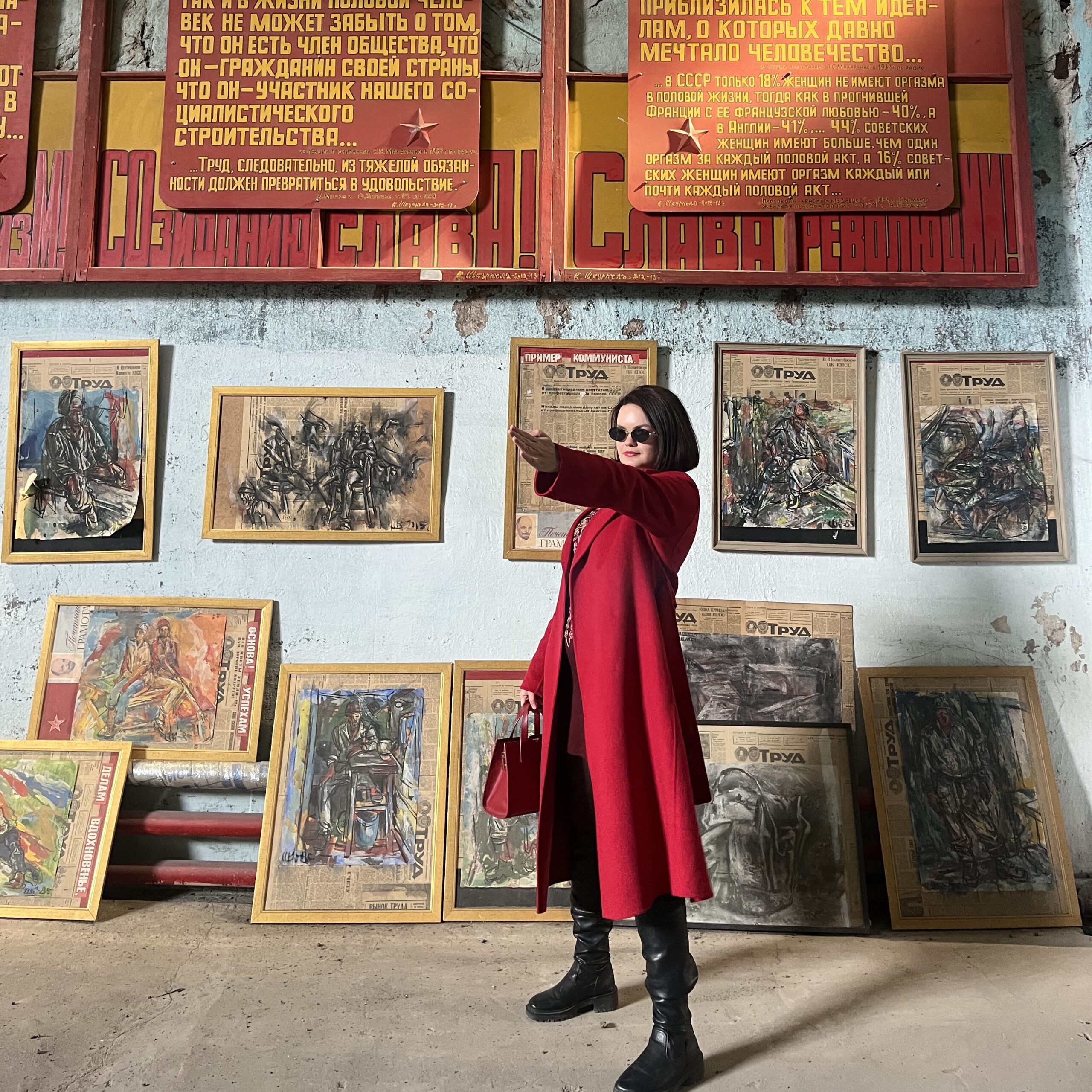
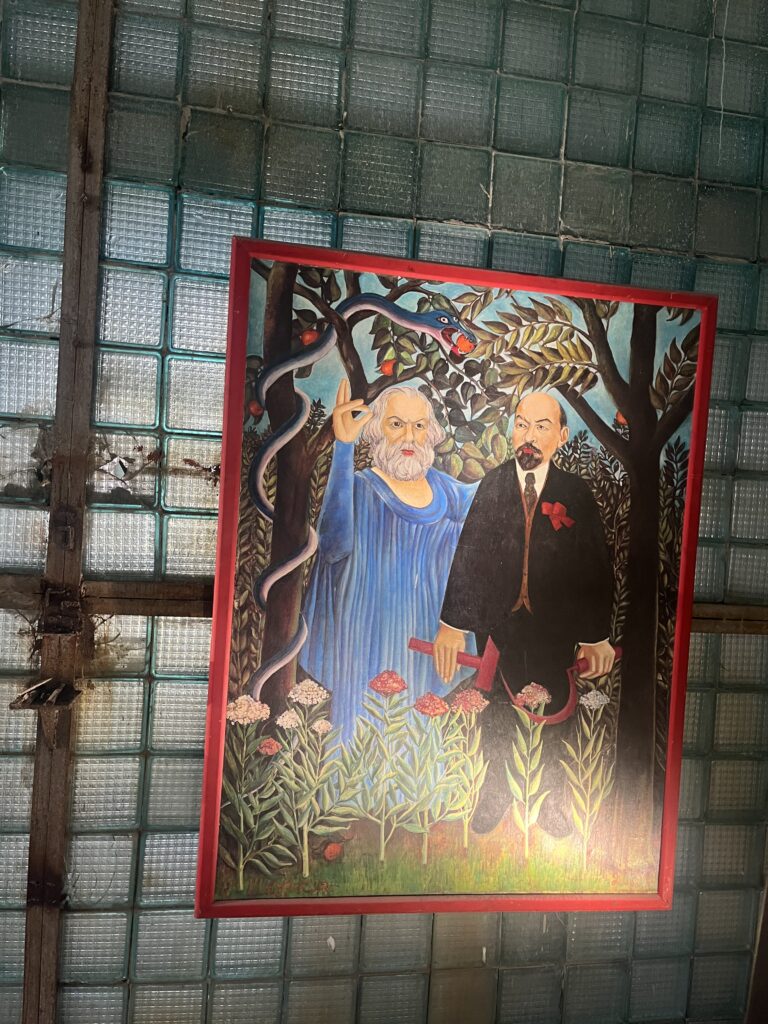
Make sure to visit the halls dedicated to one particular artist (whose name I, unfortunately, forgot) who seems completely obsessed with Soviet aesthetics. The exhibition feels like a graveyard of Soviet greatness. The artist also appears to have a rather obvious Lenin fixation—but then again, what nostalgic communist doesn’t? Despite all this, I found the exhibition to be the perfect backdrop for a photoshoot.
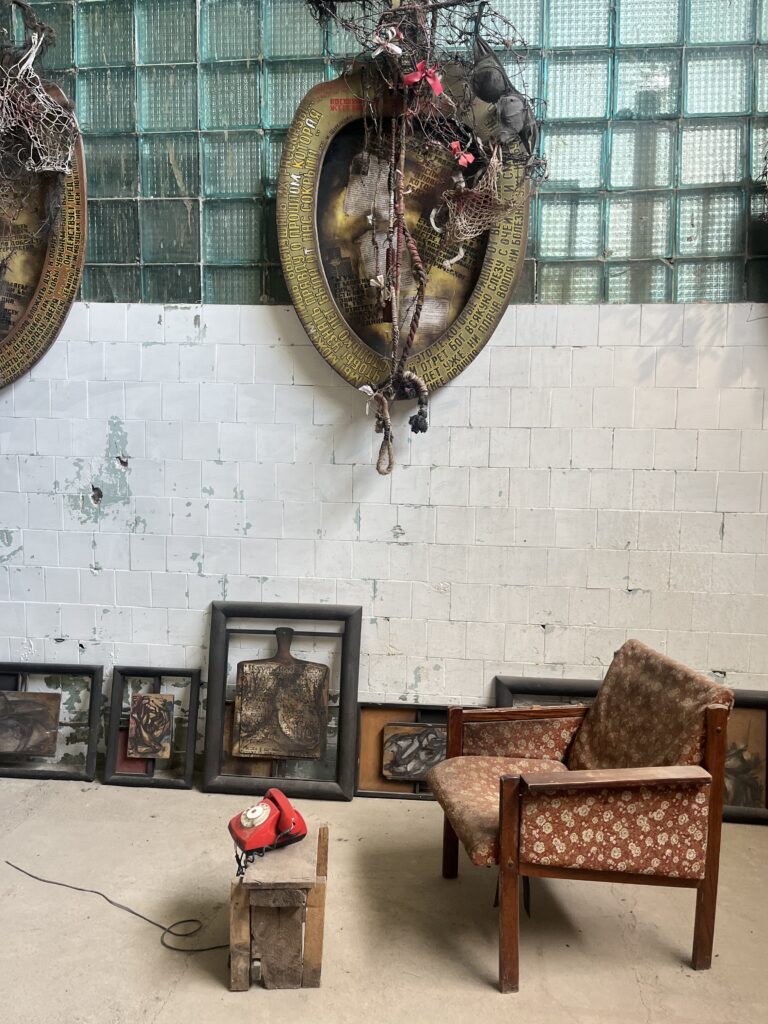
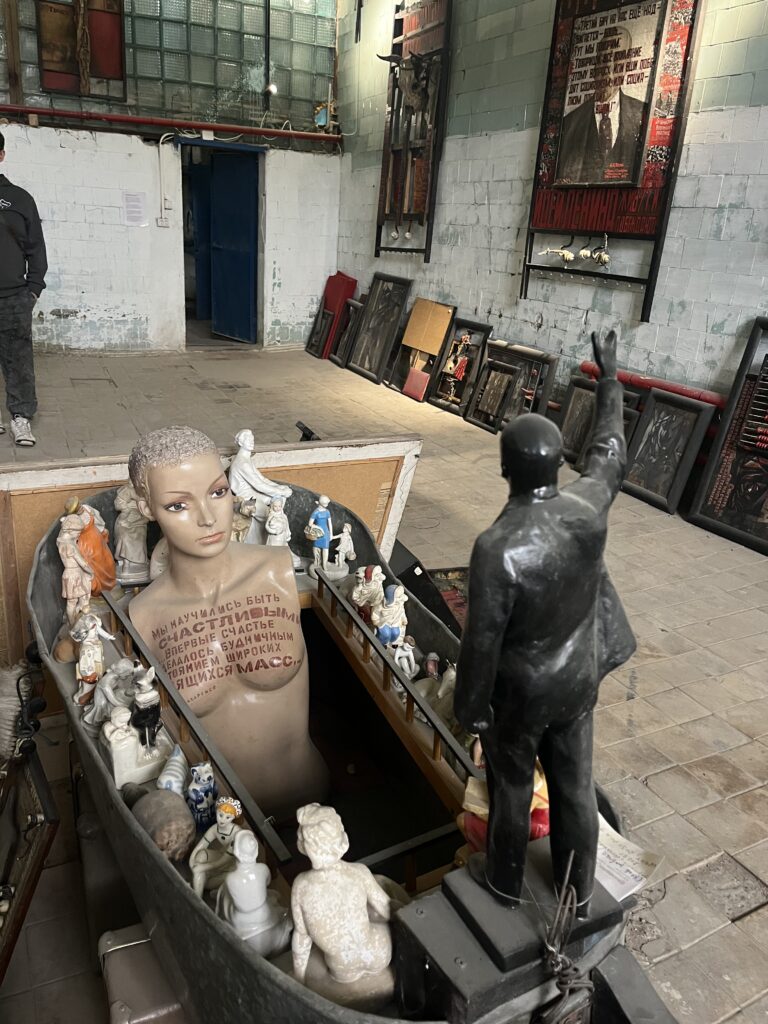
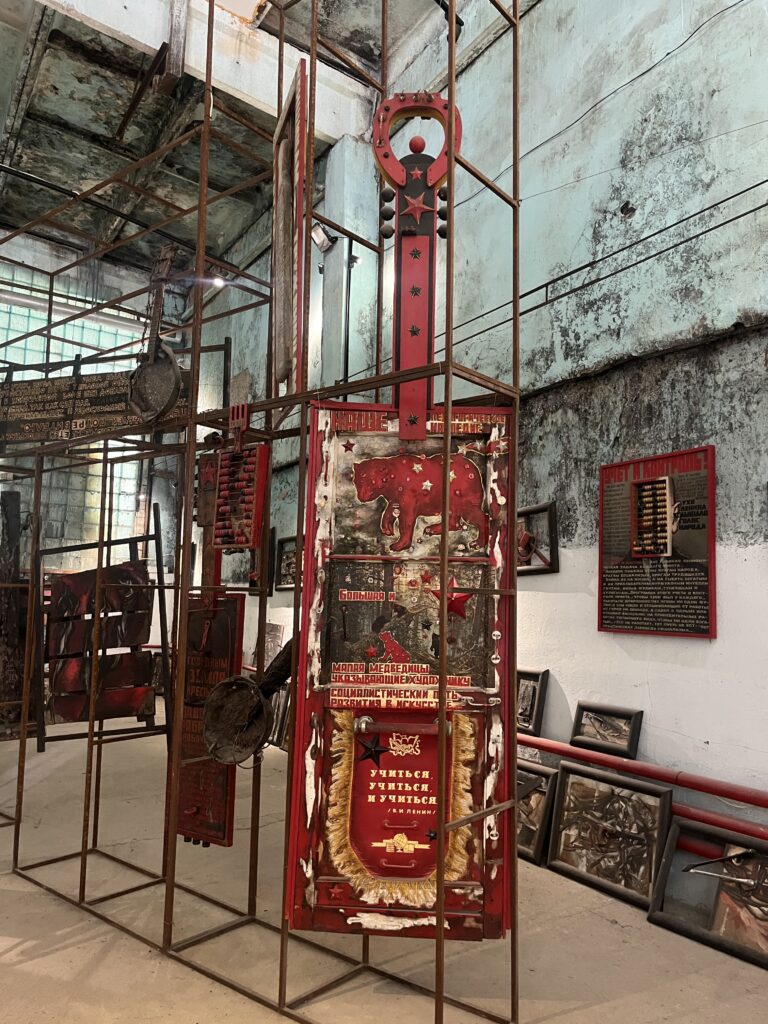
The size of the collection is impressive. You’ll need at least two or three hours to see everything. The museum collaborates with artists from all over the world and often keeps their works after projects end. As a result, there are surprisingly few local Kyrgyz artists represented in the collection.
The abandoned factory—sorry, museum—also hosts an artist residency where creators work on-site. We spoke with one resident artist who enthusiastically explained the meaning behind his installation, which consisted of crosses, honey, grass, soil, wool, and several other materials.
Could we have guessed the concept simply by looking at it? Absolutely not. The artist replied that he didn’t expect people to understand everything anyway. Truly, the minds of contemporary artists work in mysterious ways.
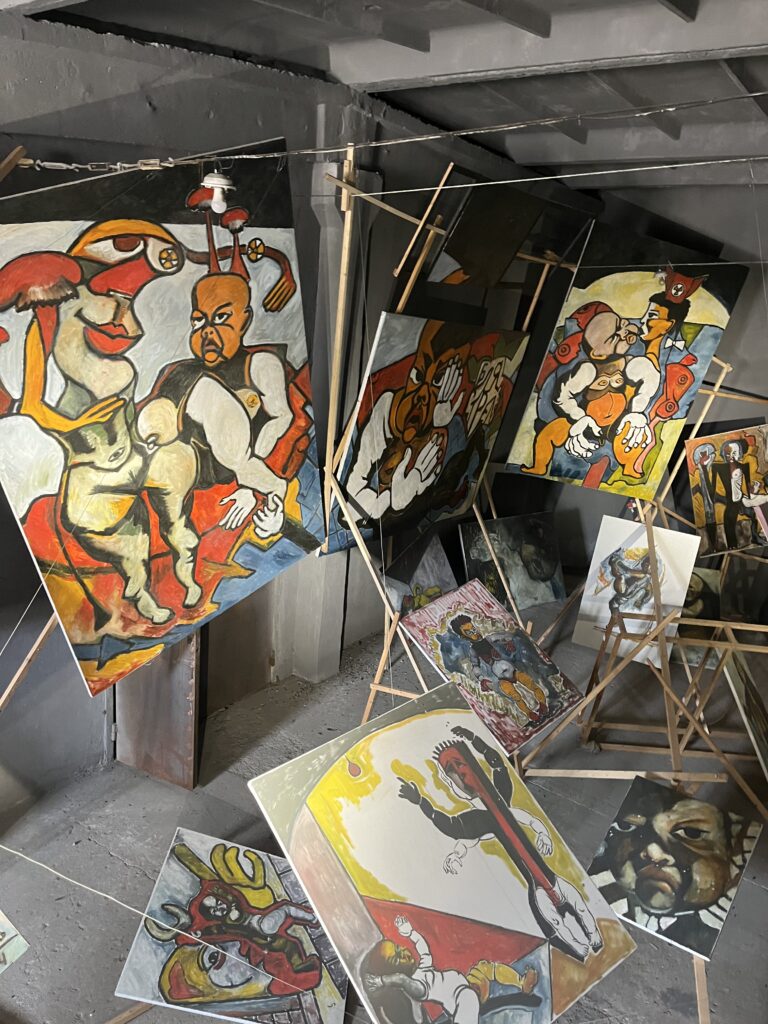
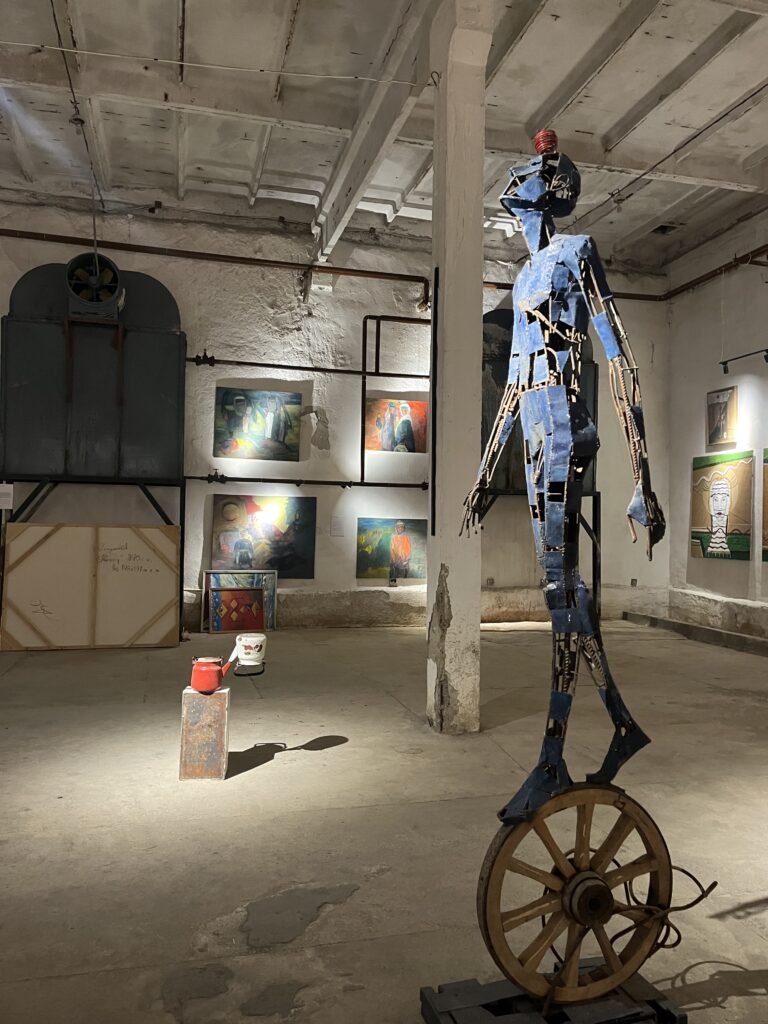
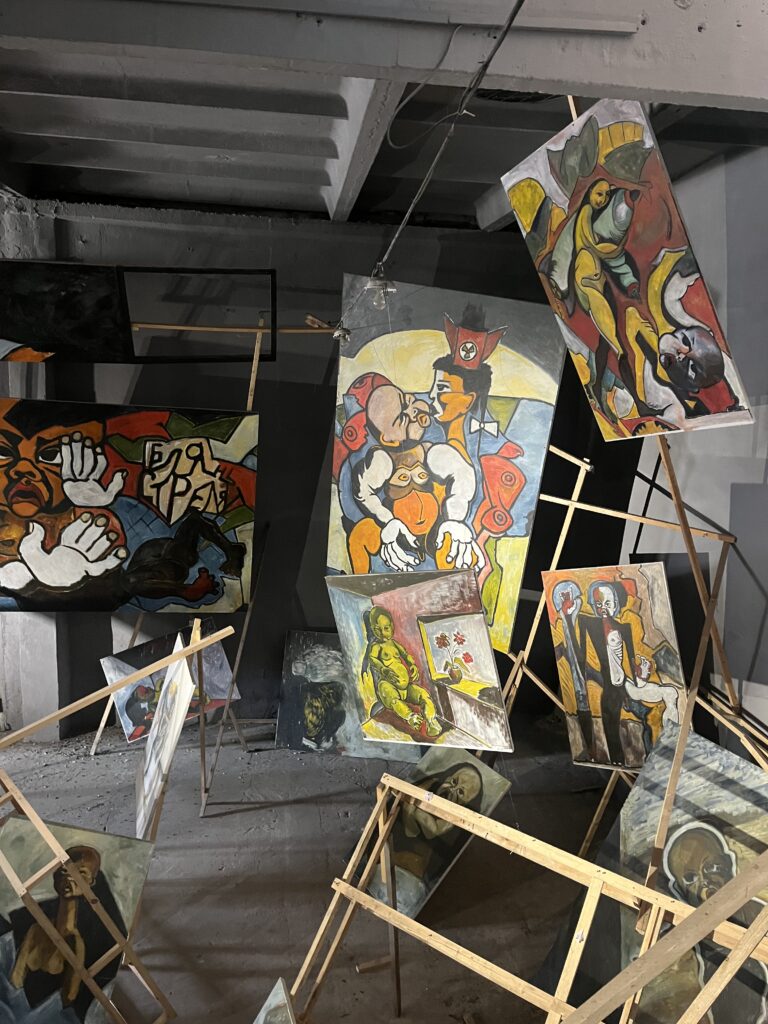
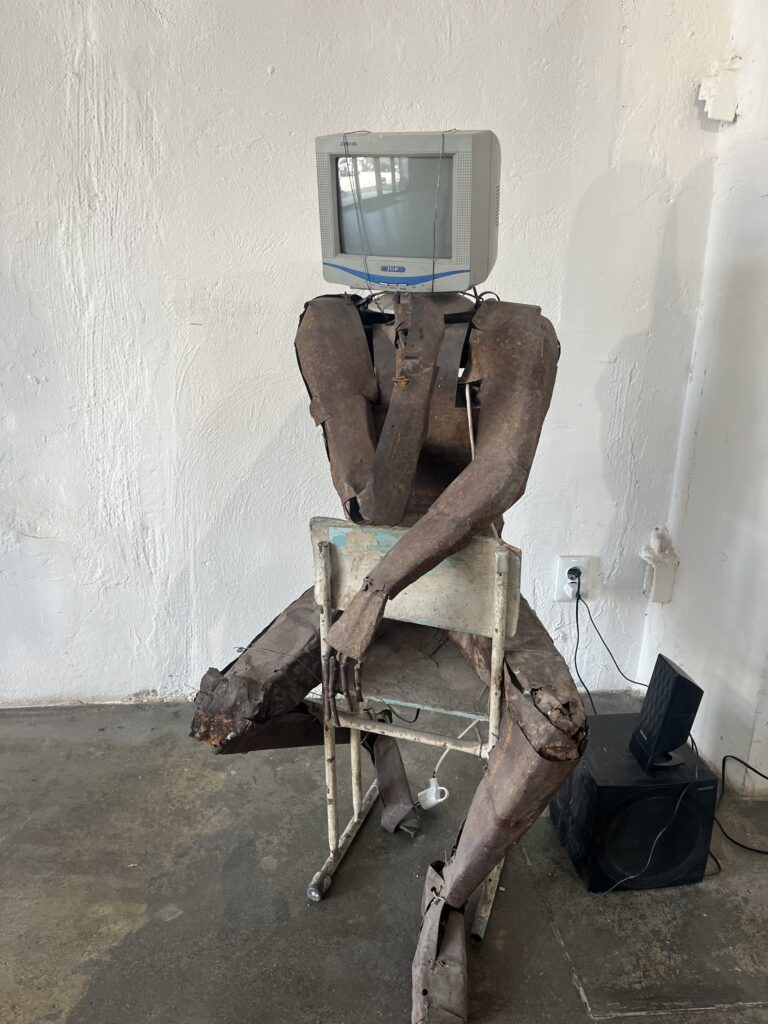
Then again, modern art isn’t meant to be understood. It’s meant to be felt.
Or so they say.
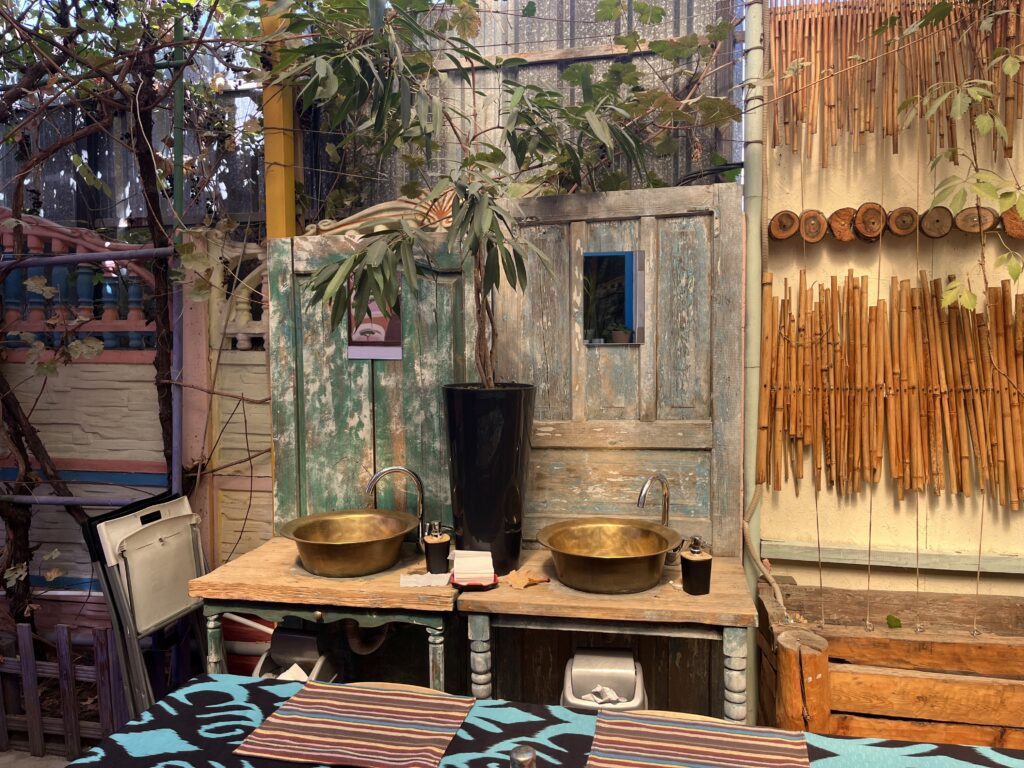
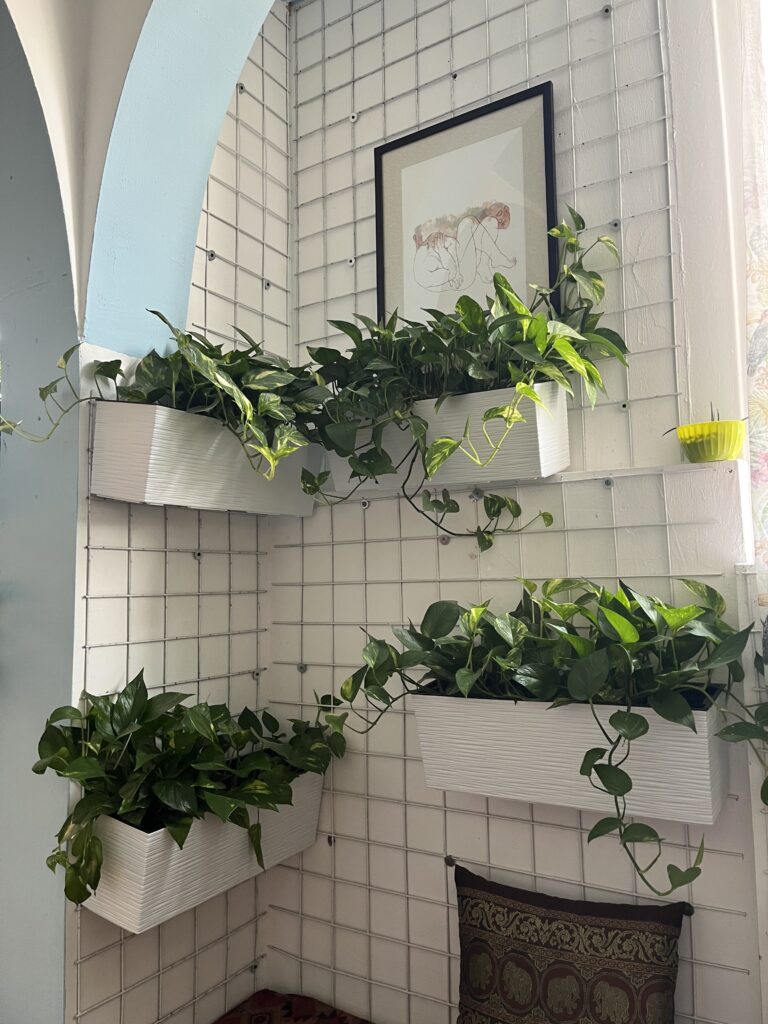
DariKuduk
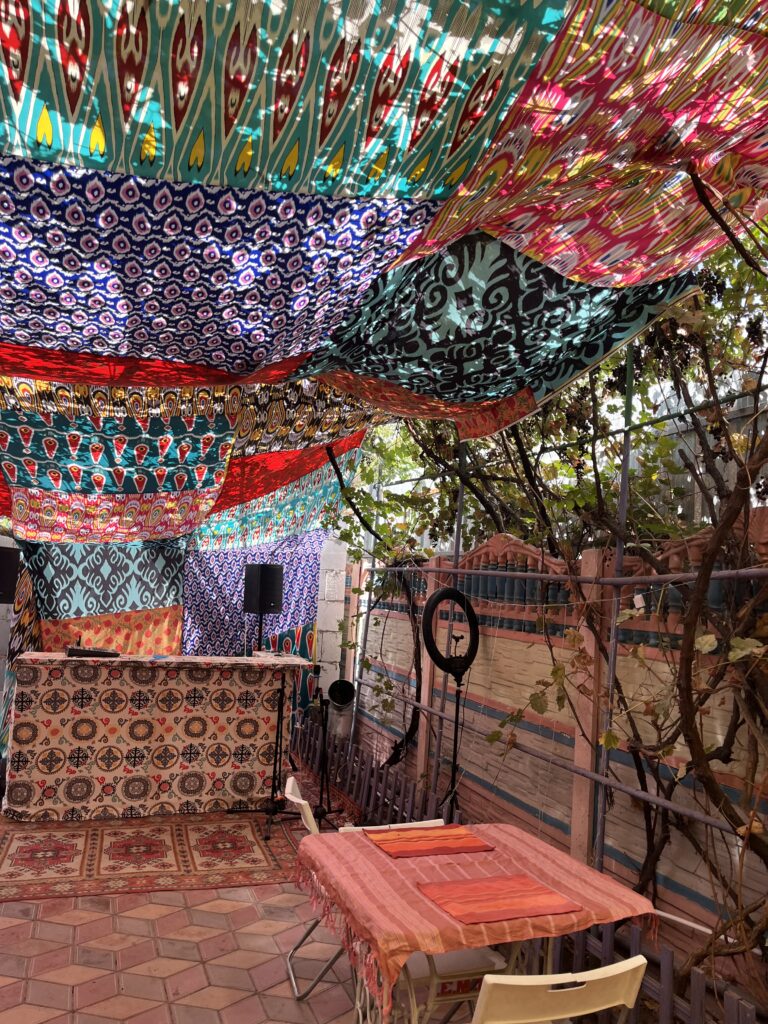
This bar is an art space in its own right, but it also regularly hosts exhibitions, creative gatherings, and various cultural events. Every room is thoughtfully designed. The overall concept is deeply rooted in Central Asian aesthetics, although, if I’m being honest, parts of it also remind me of Georgia and Armenia.
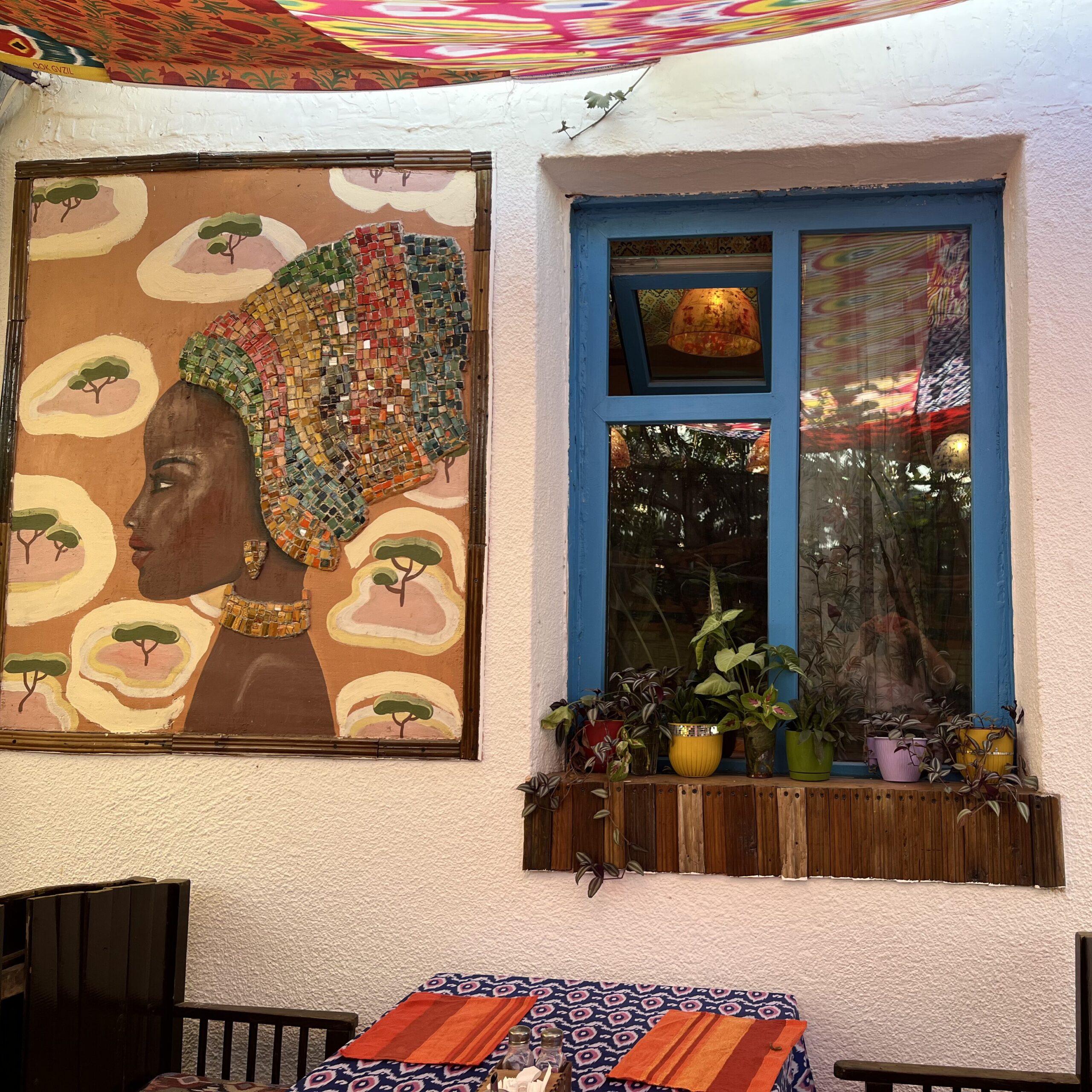
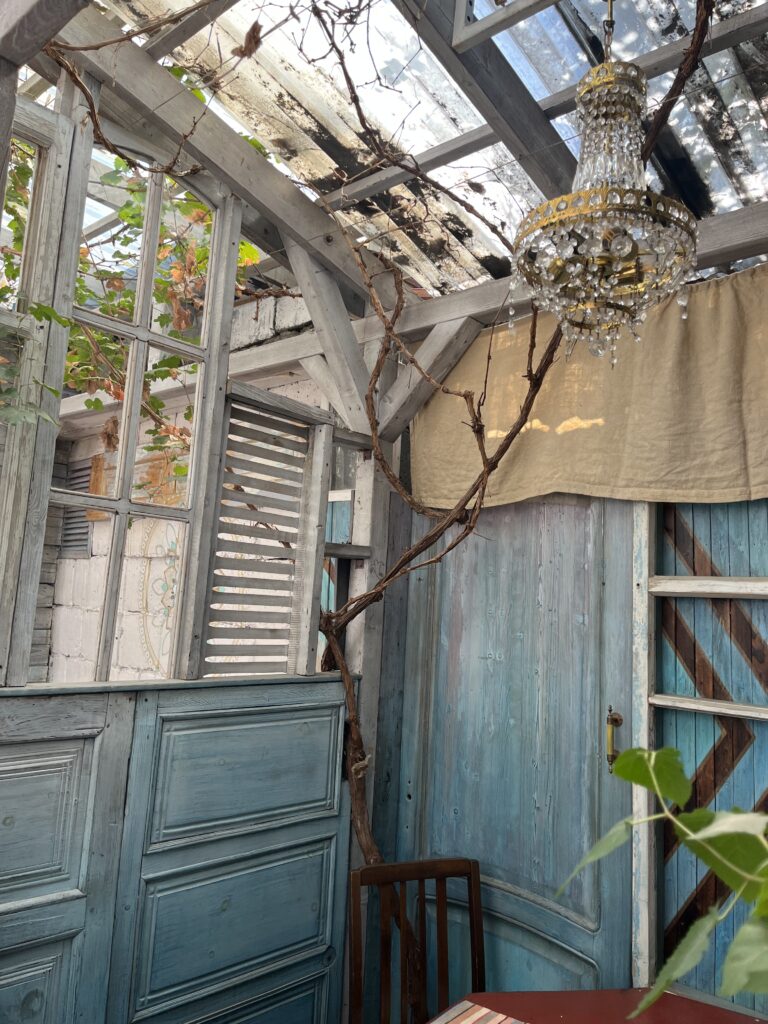
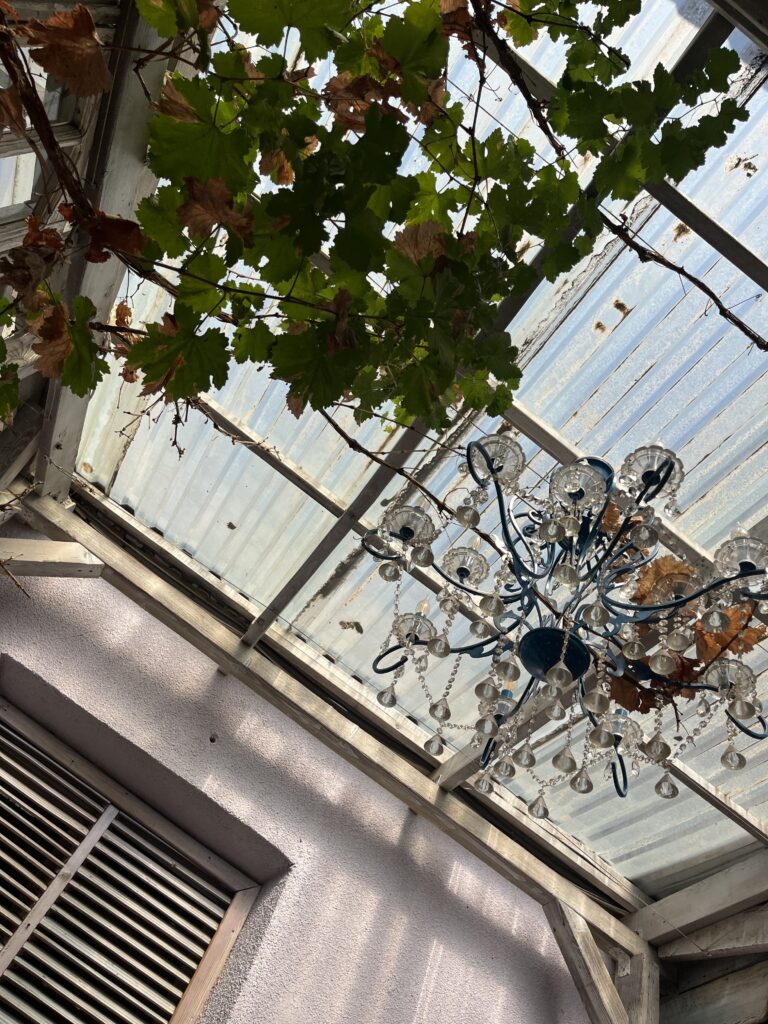
Either way, it’s one of the most atmospheric creative spaces in Bishkek and a great place to spend an evening surrounded by artists, musicians, and people who probably understand art much better than I do.
Museum Night
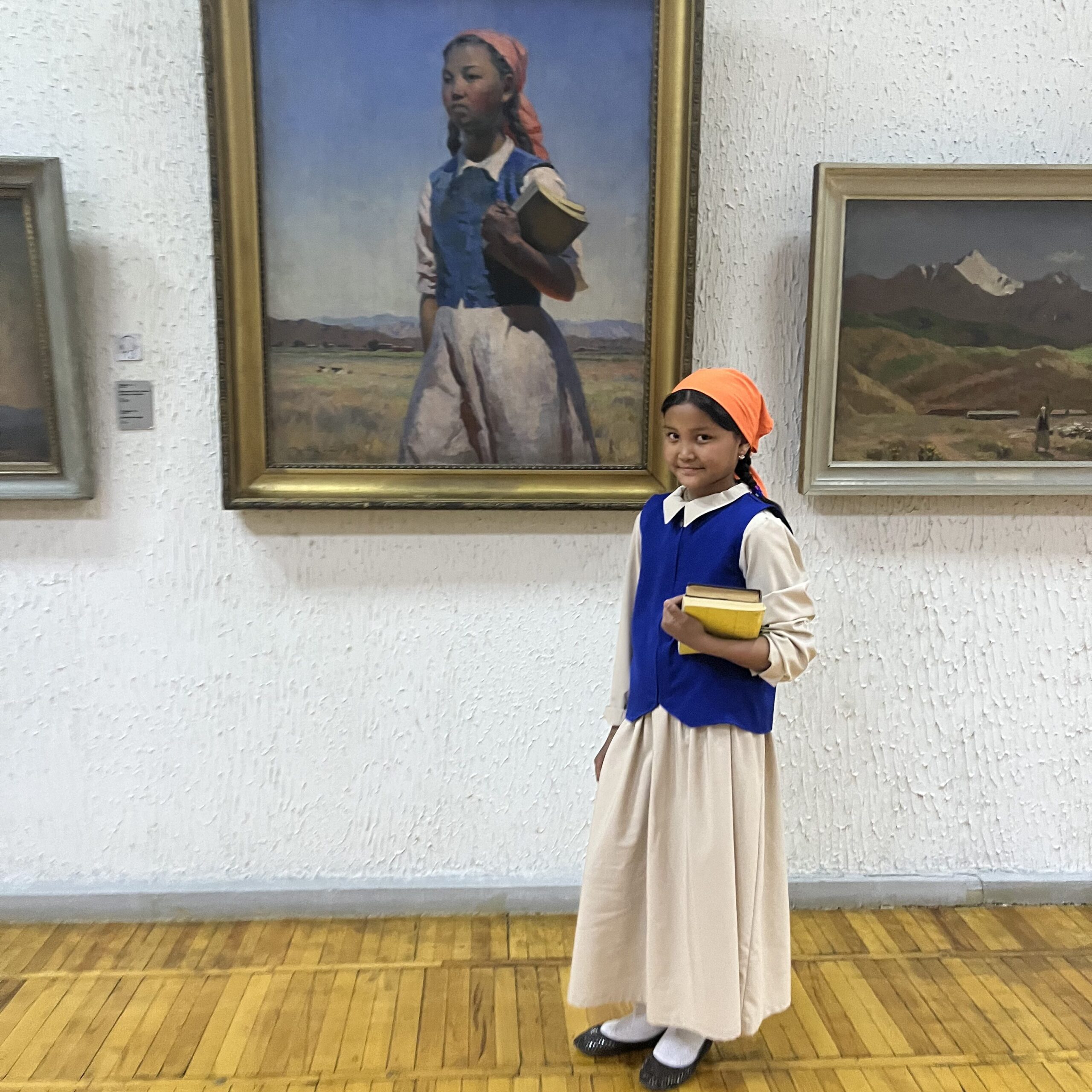
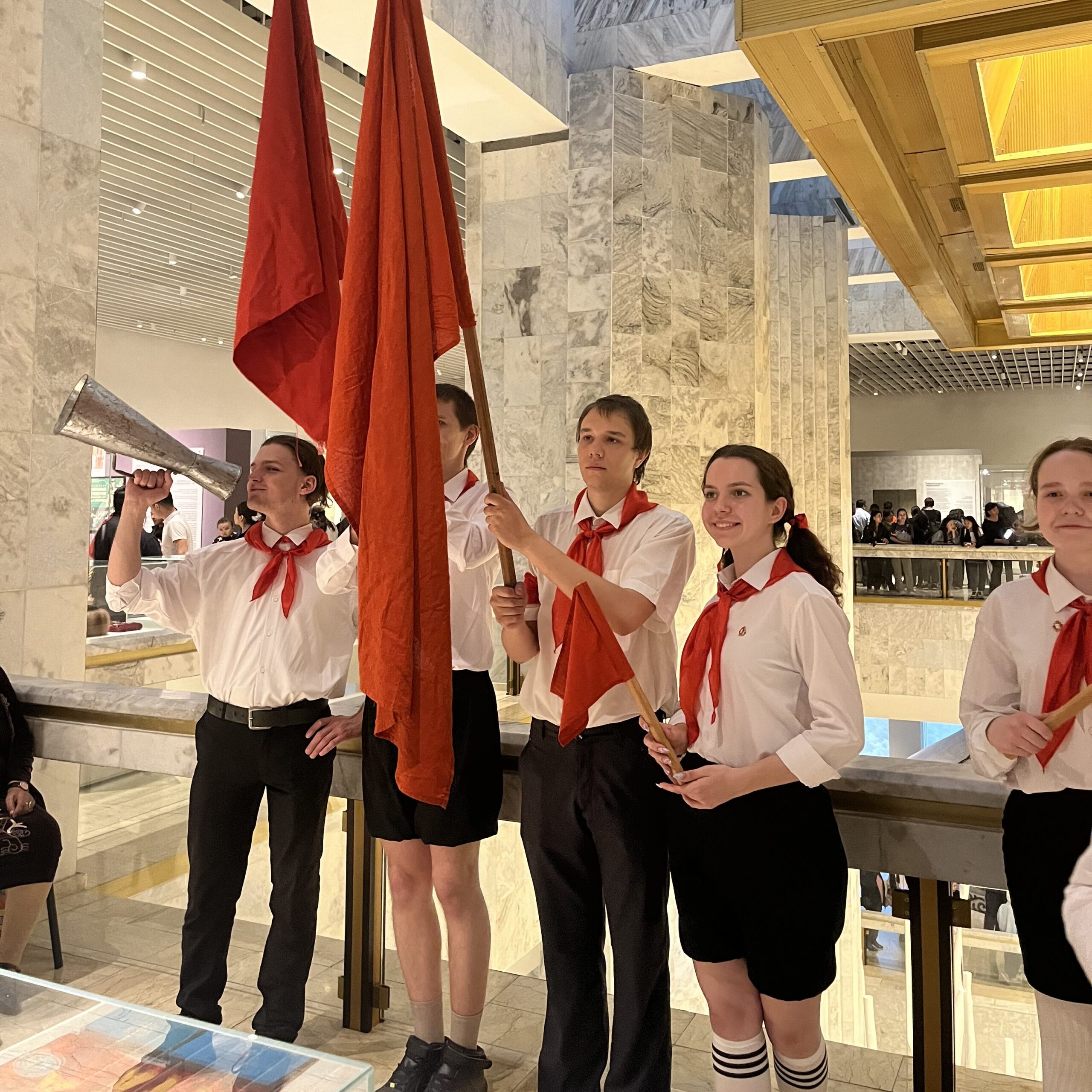
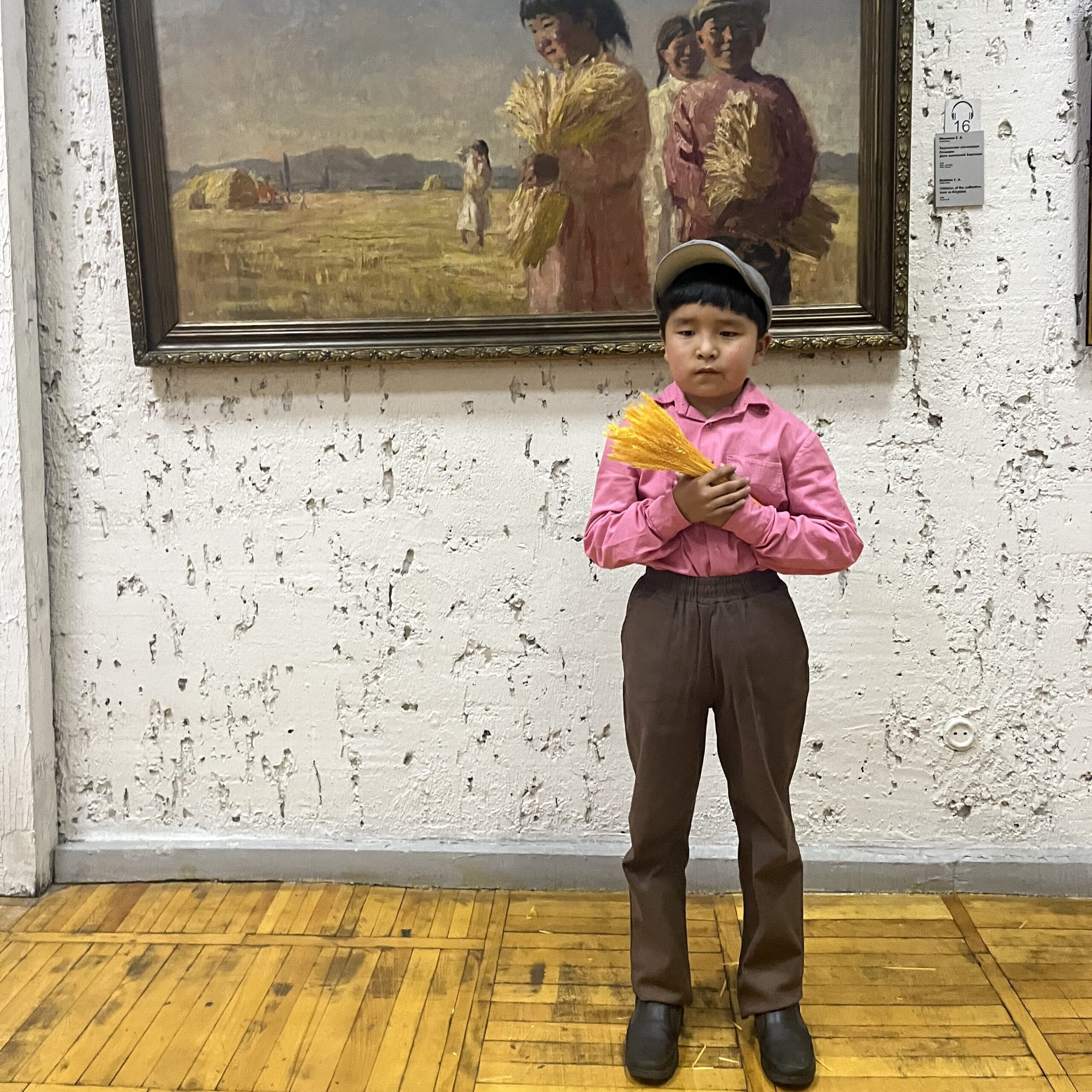
I absolutely love Museum Night in Bishkek, and the version held at the Gapar Aitiev National Museum of Fine Arts is always the most memorable. The program changes every year. One year you might find a painting look-alike contest, another year a jazz rave among sculptures, and another year contemporary art installations (which I still don’t understand, no matter how hard I try).
Museum Night traditionally takes place in May. Check the museum’s official Instagram page for exact dates.
Read more
Bukhara Biennial
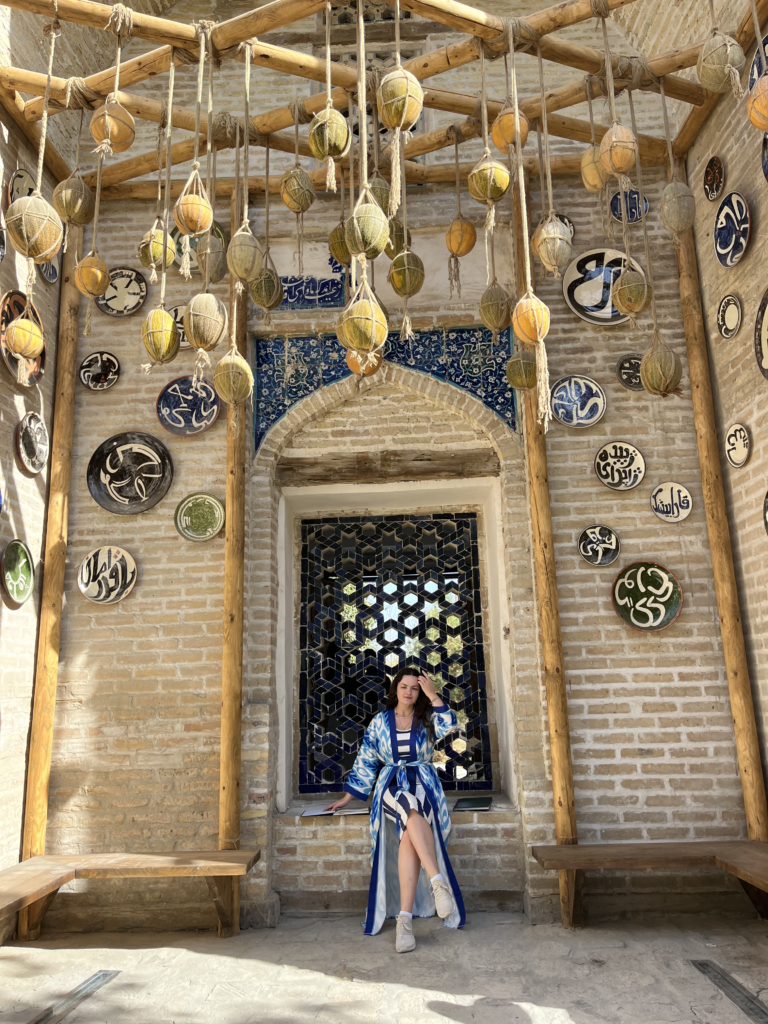
The Bukhara Biennale stretches across the entire historic center of the city. Exhibitions and installations are located directly inside historical and cultural landmarks. Artists and craftsmen from all over the world contributed works displayed throughout Bukhara’s ancient sites. The scale of the project is genuinely impressive.
Kolfest 2026
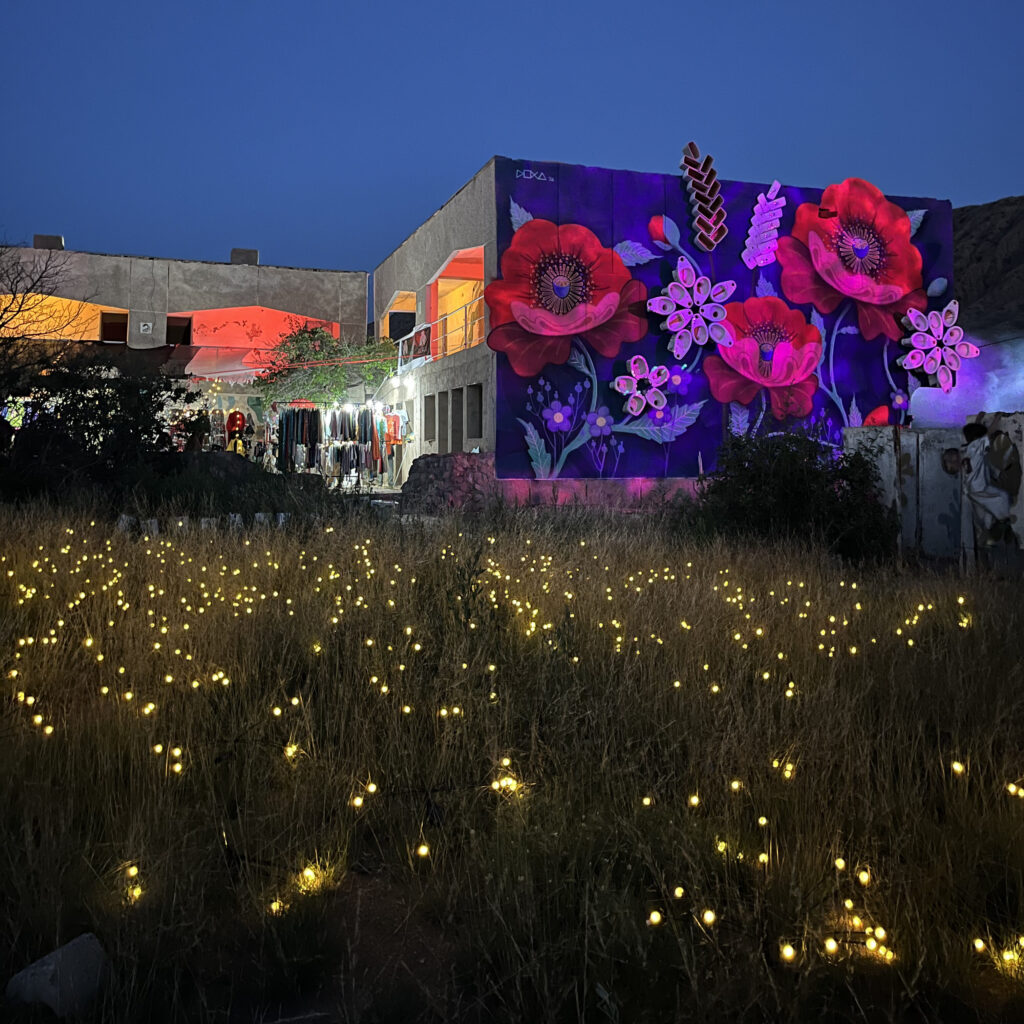
Kolfest is a music and arts festival held annually on the southern shore of Lake Issyk-Kul in Kyrgyzstan. Every year, the grounds of an abandoned boarding house in the south of Issyk-Kul come alive. I love this festival because its organizers masterfully transform ruins into a bohemian space that begs to be photographed.
The most Instagrammable places in Bishkek
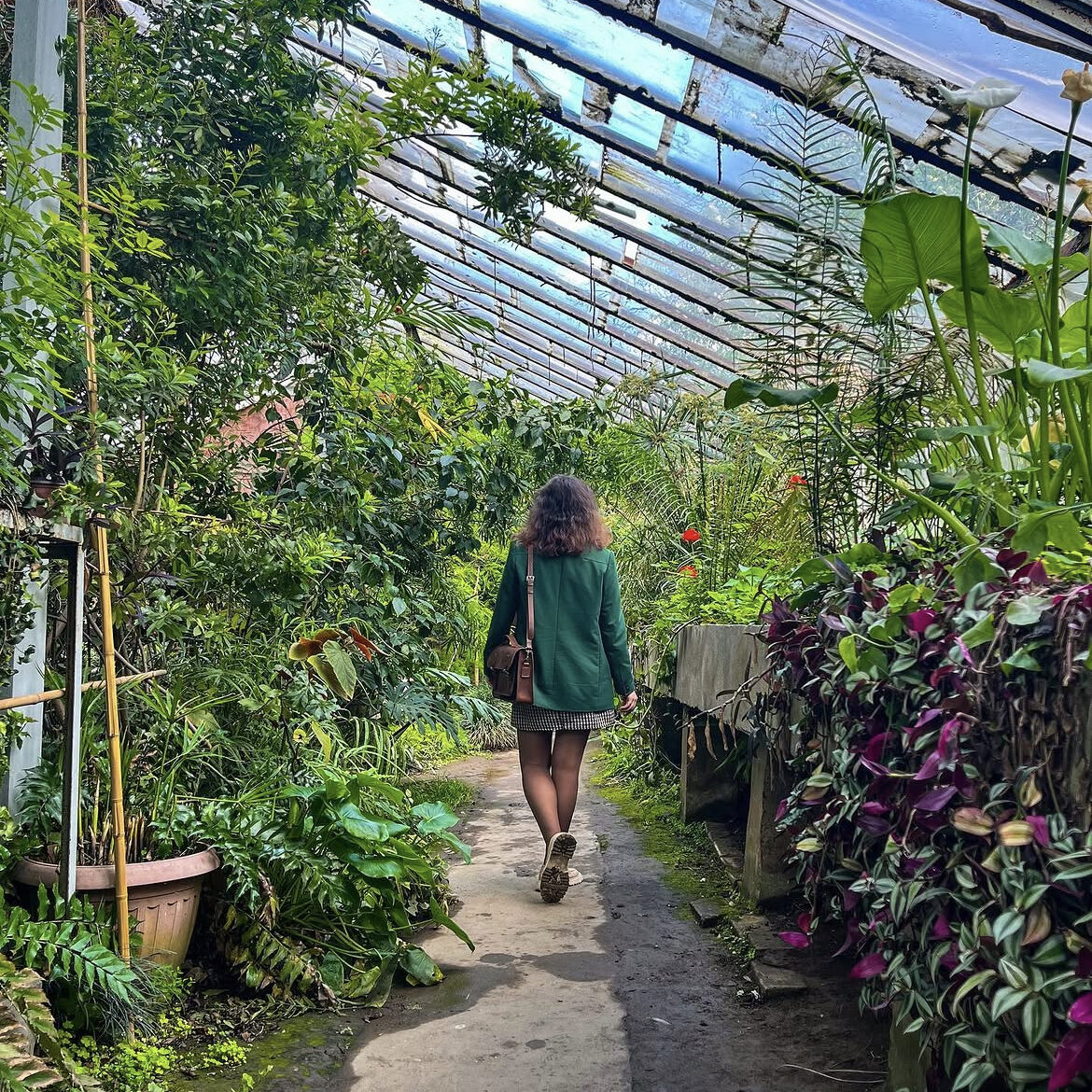
I like pretty places. And so do you, otherwise you wouldn’t have ended up here. Bishkek isn’t exactly a Pinterest-style city, but it does have a surprising number of beautiful spots, both within the city and just outside it.