
New Orleans Guide
“America has only three cities: New York, San Francisco, and New Orleans. Everywhere else is Cleveland.”
Tennessee Williams.
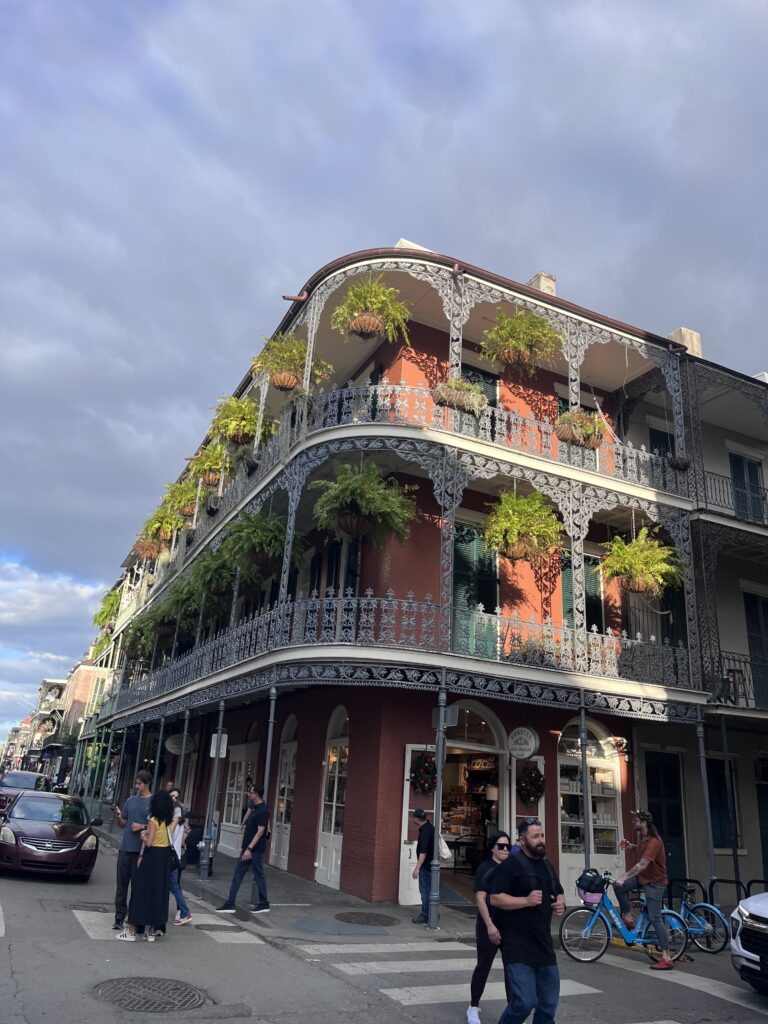
I can’t help but agree with this quote. New Orleans is unlike any other American city—probably because there’s so little that feels “American” about it. The city has an incredibly rich history and culture, shaped by a blend of nationalities, races, cuisines, and architectural styles. New Orleans is a city of celebration, a city of mystery, and a must-visit if you’re tired of the “one-story America.”
I spent some of the best months of my life living in New Orleans, and I want to share how to have fun, get a little spooked, dance, and dive into its history and art. Here, I’ll tell you all about the city’s sights and hidden gems.
What is New Orleans ?
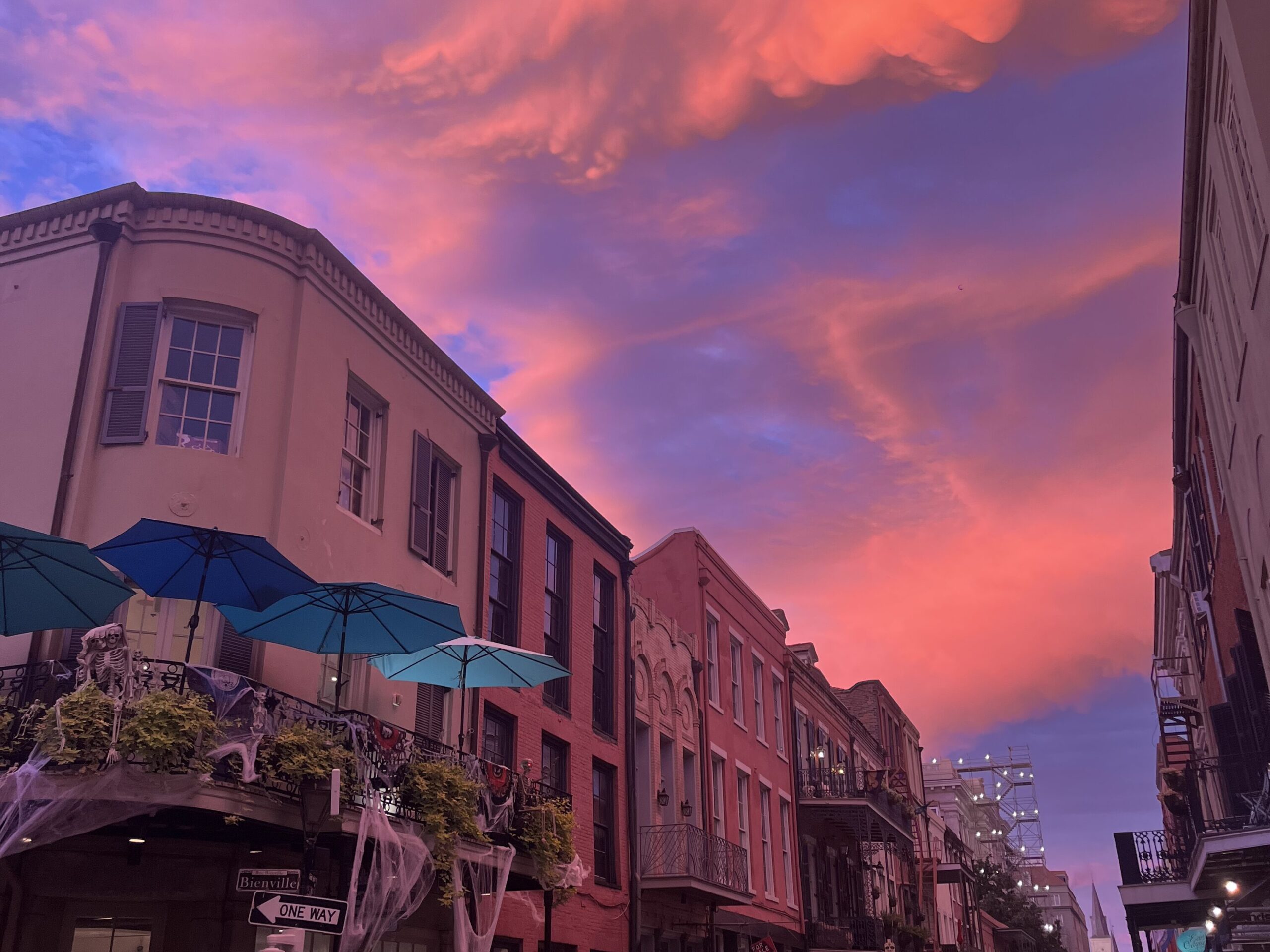
New Orleans is located in the state of Louisiana in the southern United States. Louisiana is one of the poorest, least educated, and most conservative states, but New Orleans can be called the most tolerant city in the South, boasting a large gay and drag community. About 60% of the population is African American. The city is located on the Mississippi River and surrounded by swamps, or bayou, but has no ocean access, meaning there are no public beaches. Furthermore, crime rates are high due to gun ownership.
So why do people move here? Let’s say the pros outweigh the cons.
History

New Orleans was originally founded as a French colony in the early 18th century and quickly became one of the main trading ports of the New World. It’s no surprise that the city grew incredibly wealthy—and equally desirable for conquest. For a few decades, it passed from the French to the Spanish, back to the French, and finally, in 1803, Napoleon sold New Orleans along with the entire Louisiana territory to the United States (yes, “Louisiana” comes from King Louis of France). Fun fact: the famous French Quarter of New Orleans is actually Spanish in origin.
Before the Civil War, New Orleans was the most prosperous city in the U.S., due to the slave trade and the booming cotton and sugar plantations made possible by the region’s hot, humid climate.
Slavery is the saddest chapter in the city’s history. As is well known, conditions for enslaved people in the South were far harsher than in the more liberal North, and New Orleans became the “capital” of slavery, as thousands of people from Africa were brought into the U.S. through its ports. The city owes much of its early wealth to the transatlantic slave trade.
After the Civil War and the abolition of slavery, the agrarian South began to lose ground, and New Orleans declined. By the 20th century, crime had risen sharply, but the city remained a multicultural place full of vibrancy and life.
The greatest tragedy in New Orleans’ modern history was Hurricane Katrina in 2005, which completely flooded the city and claimed many lives. In many ways, the city has never fully recovered.
What to see in New Orleans?
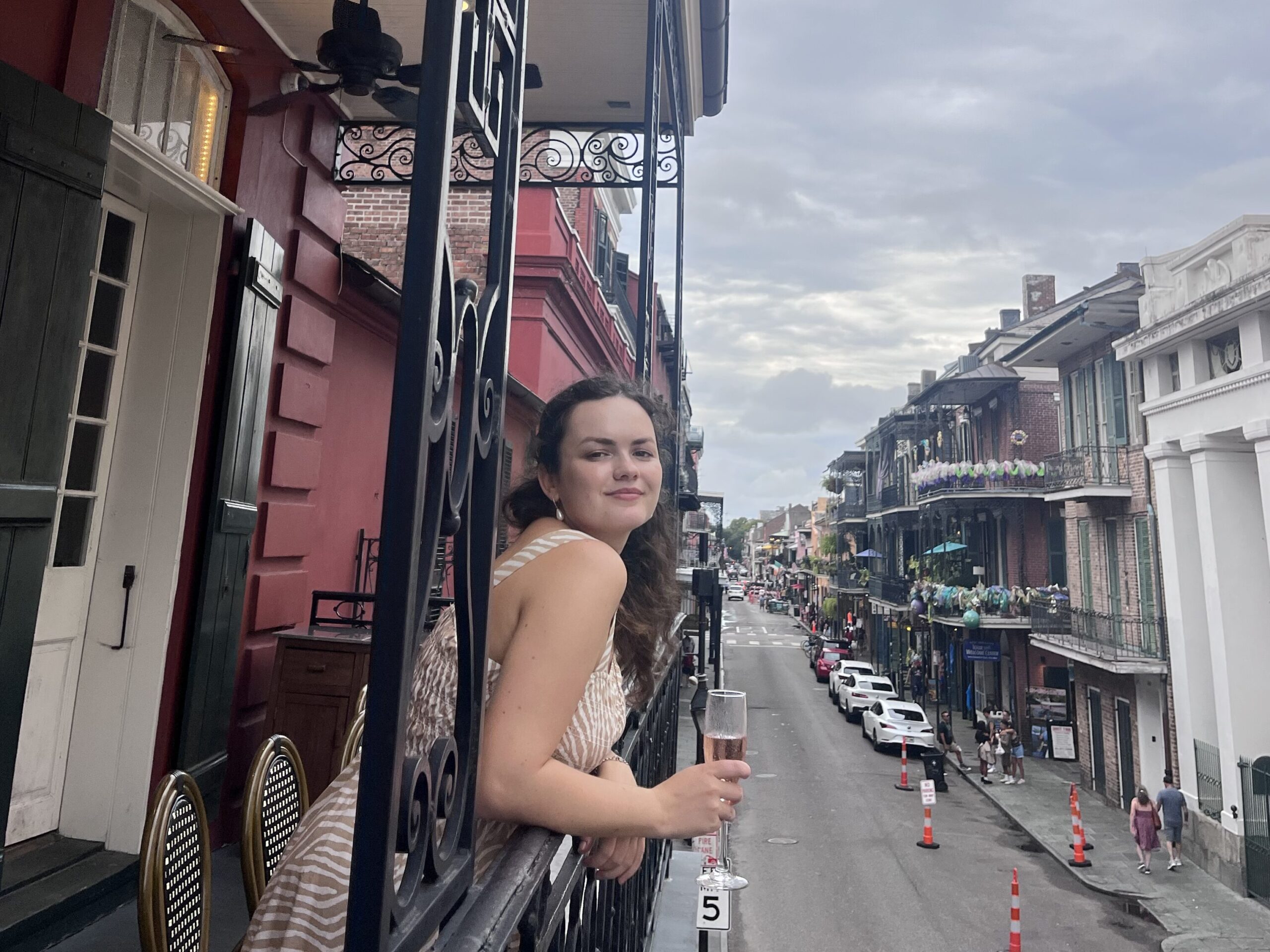
The French Quarter. This historic neighbourhood in the city centre is pretty much the only surviving architectural ensemble. Amid the bland American suburbs, it feels like a real breath of fresh air. But the Quarter isn’t just about architecture – it’s also the city’s main party zone, running non-stop from morning till night. In fact, it’s one of the very few places in the US (besides Las Vegas) where you can openly drink on the street. Loud parties, clubs and bars don’t quiet down here until sunrise.

Bar culture. They say cocktails were invented right here in New Orleans (my favourite one – the Hurricane). It’s also believed that the very first bar in America (1722) opened here – Jean Lafitte’s blacksmith shop. And guess what? The bar is still running! The city is full of bars and restaurants with an incredible old-timey vibe – some even come with ghosts, but more on that here.
Jazz. New Orleans is the birthplace of jazz. Yep, this is where it all started! Whole streets lined with jazz clubs, music festivals, and street performers improvising right on the spot – it’s impossible not to fall in love with the sound of the city.

Food. New Orleans cuisine is often praised as the best in America thanks to its mix of cultural influences. But honestly, I think it’s just because food in the rest of the US is so bland and boring that for Americans this feels like haute cuisine. They just haven’t been to Kyrgyzstan yet 😊 Anyway, here you should definitely try Creole and African-inspired dishes: fluffy beignets (basically sweet boorsok with powdered sugar), gumbo, jambalaya, a shrimp po’boy sandwich, and yes… even alligator meat!
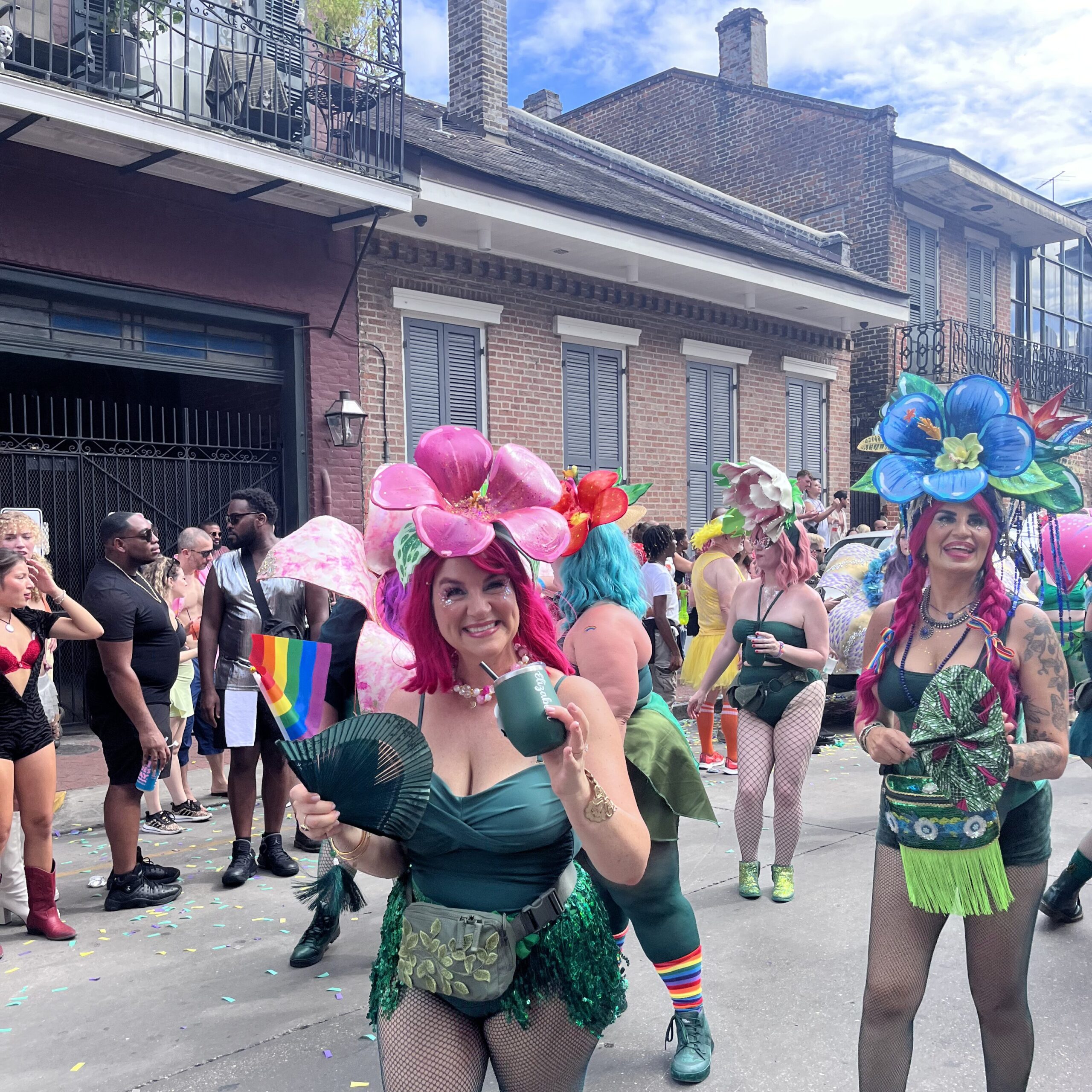
Festivals. It’s impossible to count how many festivals and parades take place here every year. And of course, this is the birthplace of Mardi Gras — a whole month of carnival madness before Easter. The only thing that can beat it is the Brazilian Carnival!

Mysticism. New Orleans is the most haunted city in the US — a haven for ghosts, witches, voodoo magicians, and even vampires. I talk more about this here: Why New Orleans is the Best Place to Celebrate Halloween.
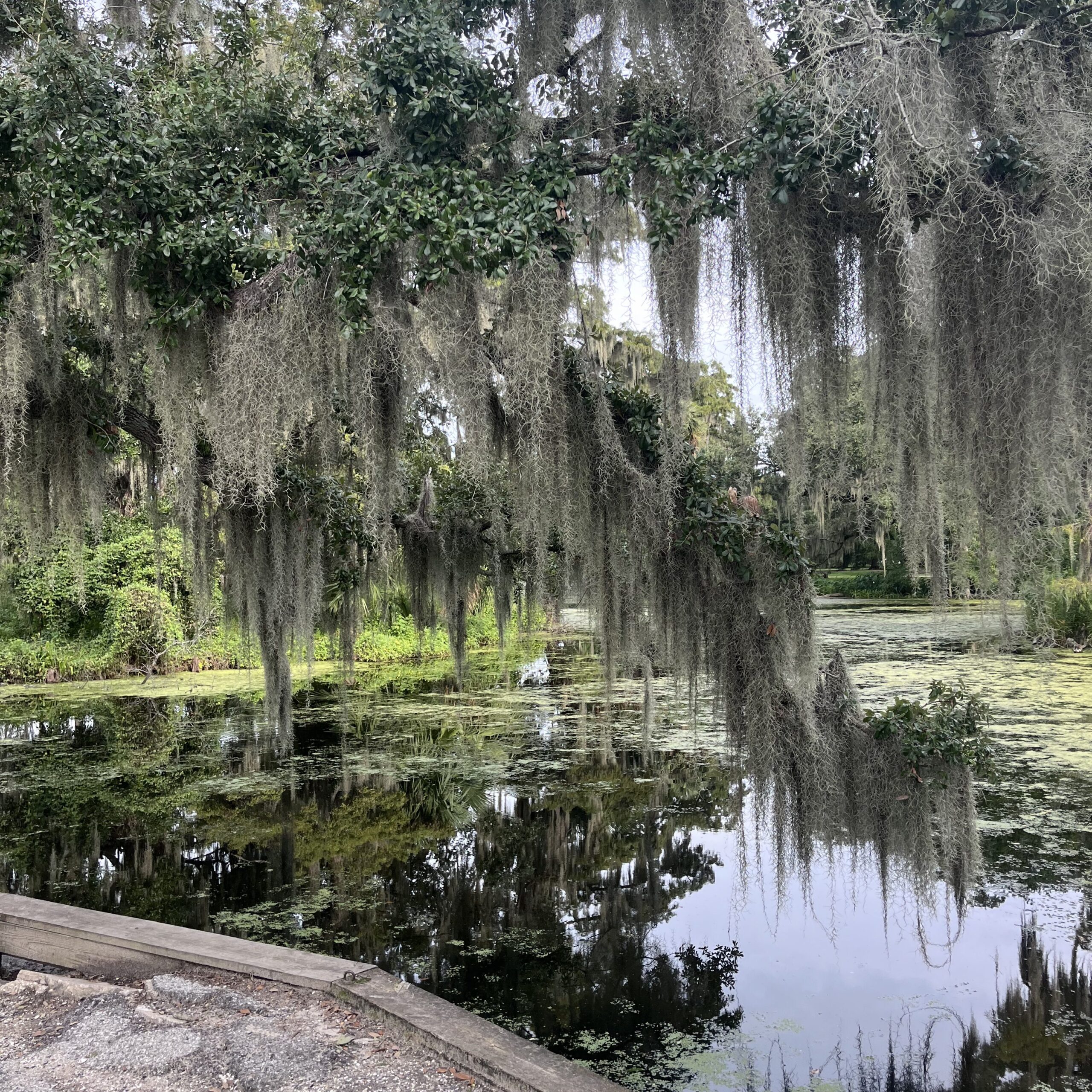
Nature. The climate here is tropical, which means all those houseplants you keep in pots back home grow freely in their “natural habitat.” And spotting an alligator in a city park? Totally normal here — they’re basically like pigeons.
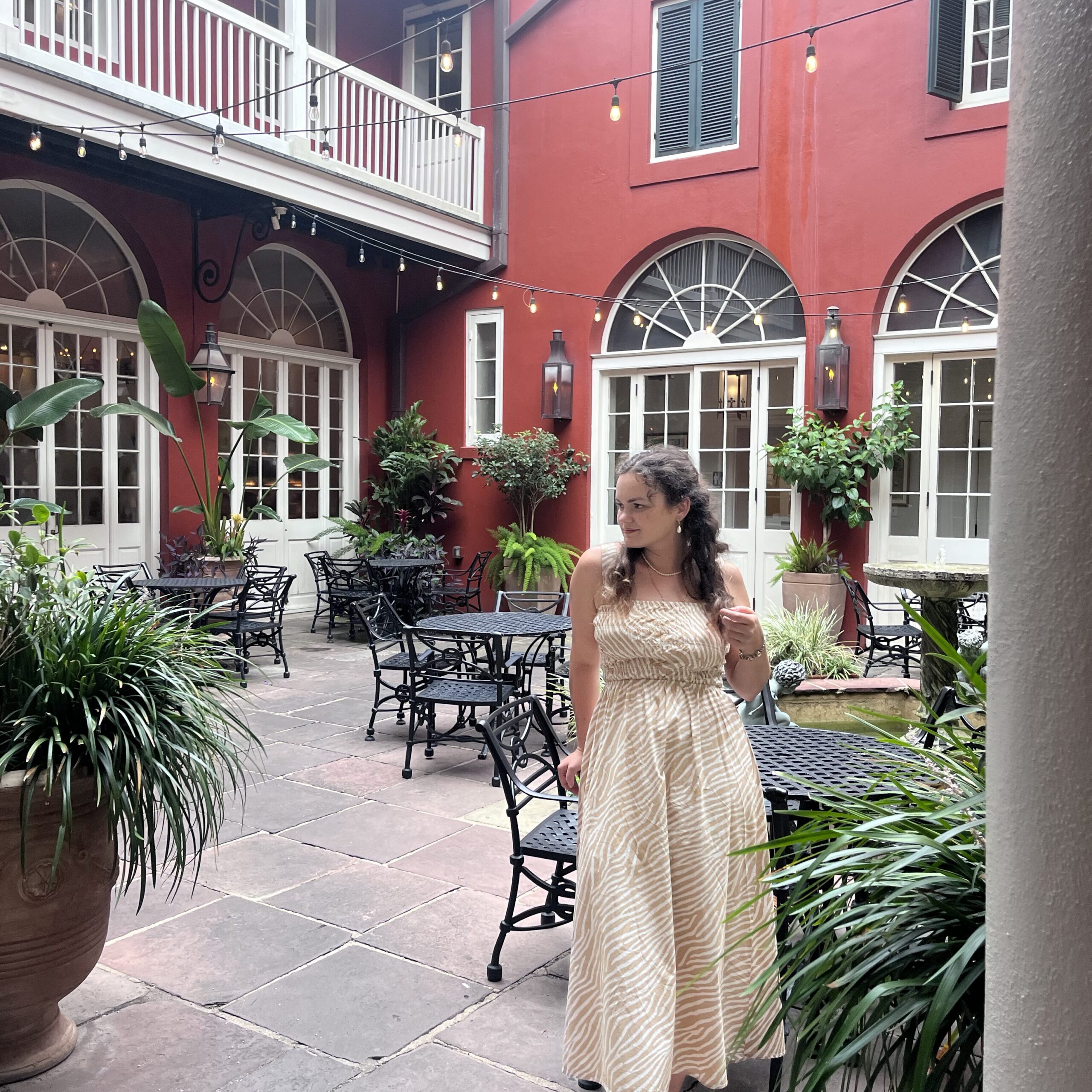
Filming locations. New Orleans is a filmmaker’s dream. Seasons of American Horror Story about witches, The Originals, Mayfair Witches, Interview with the Vampire, Now You See Me, and many more were filmed here. The city also inspired Disney’s The Princess and the Frog, and fans of The Sims will find parts of it strangely familiar — especially the Garden District, which served as the real-life inspiration for Willow Creek!
When to visit New Orleans?
Definitely not in summer. Unless you love a sauna? The climate here is tropical, with all the perks (and challenges) that come with it. Being outdoors in summer is tough, and most of the main attractions are outside… I’d recommend visiting in spring or fall. But if you can, plan your trip for either October to catch the Halloween festivities, or winter for Mardi Gras — it happens in the weeks leading up to the Catholic Lent and lasts about a month. I promise, there’s nothing remotely Catholic about the carnival 😊
What to see in New Orleans
I cover this in more detail here.
French Quarter. No need for too many words here — you already get the vibe from my earlier description. The most famous street in the Quarter, Bourbon Street, is easy to find: just follow the noise and the crowds. Local tradition says that if it’s your birthday, you pin a dollar bill to your clothes. Strangers will either add more bills… or give you a kiss! Luckily for me, I only ended up with money.
Frenchmen Street. If you’re into jazz — this is your spot. Just a short walk from the French Quarter, it’s much calmer but full of magic. You’ll find countless street jazz bands and some of the oldest jazz bars in town. For ten bucks, you’ll hear some of the best jazz of your life — and I’m not exaggerating. I even caught a saw solo (!) that was absolutely mind-blowing. And the street performers? Incredible.
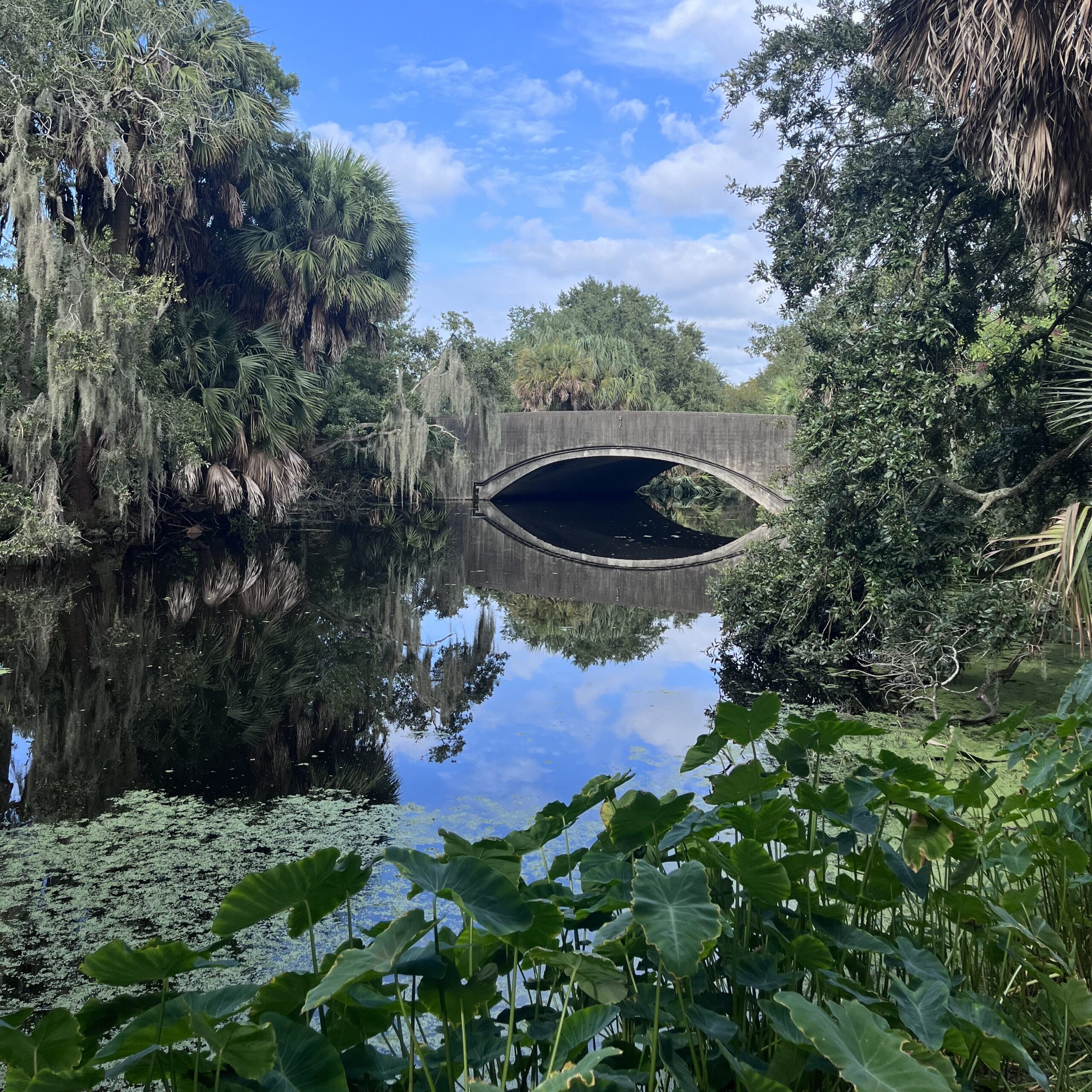
City Park. Think lush nature, quiet ponds, and art tucked between the trees. More about the park — here.
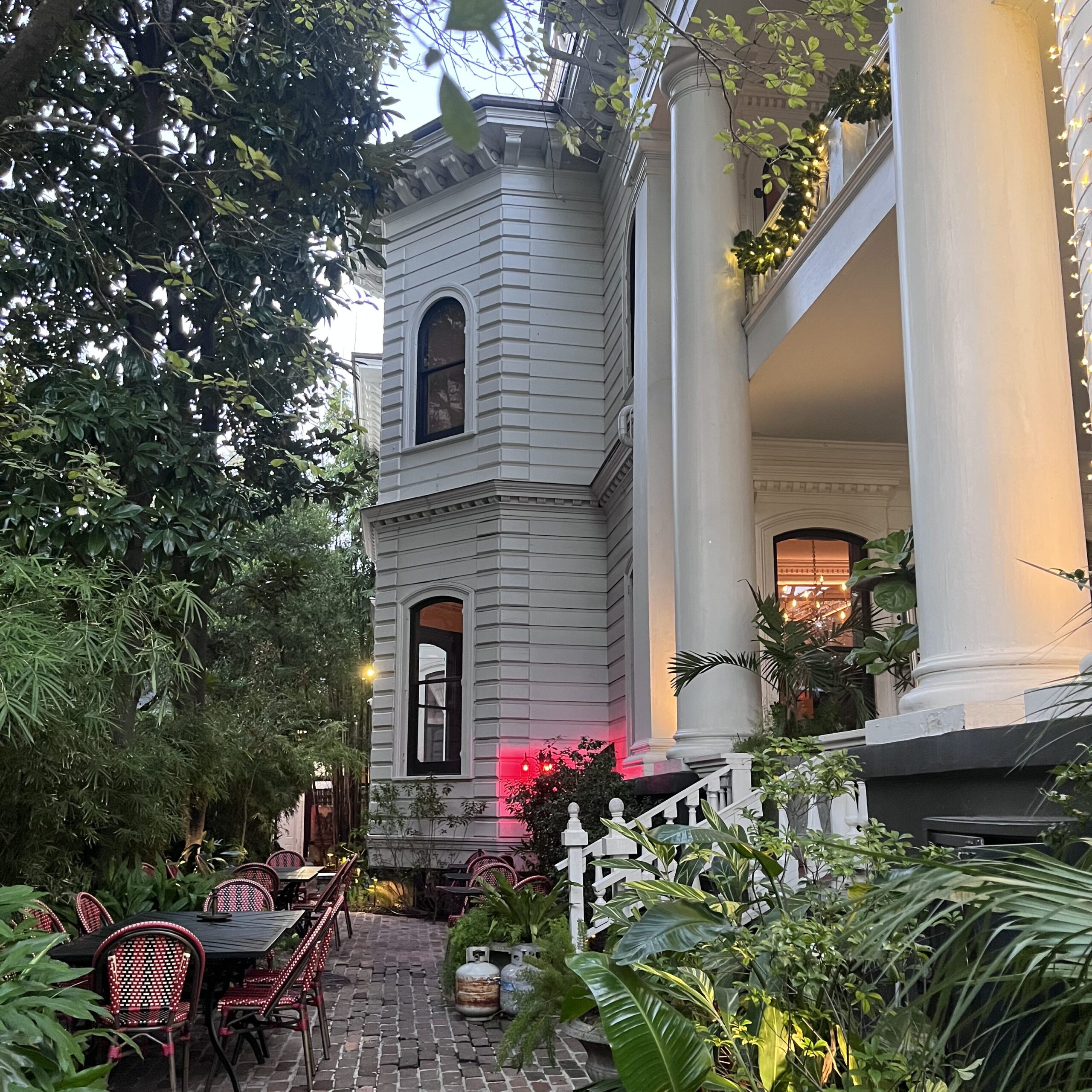
Garden District. The city’s most elegant and wealthy neighbourhood, full of historic mansions and fancy restaurants. Fans of American Horror Story: Coven will recognise one of the houses here. You can hop on one of the oldest streetcars in the U.S. right from the French Quarter to get here — and the house decorations for Halloween and Christmas are simply next level.
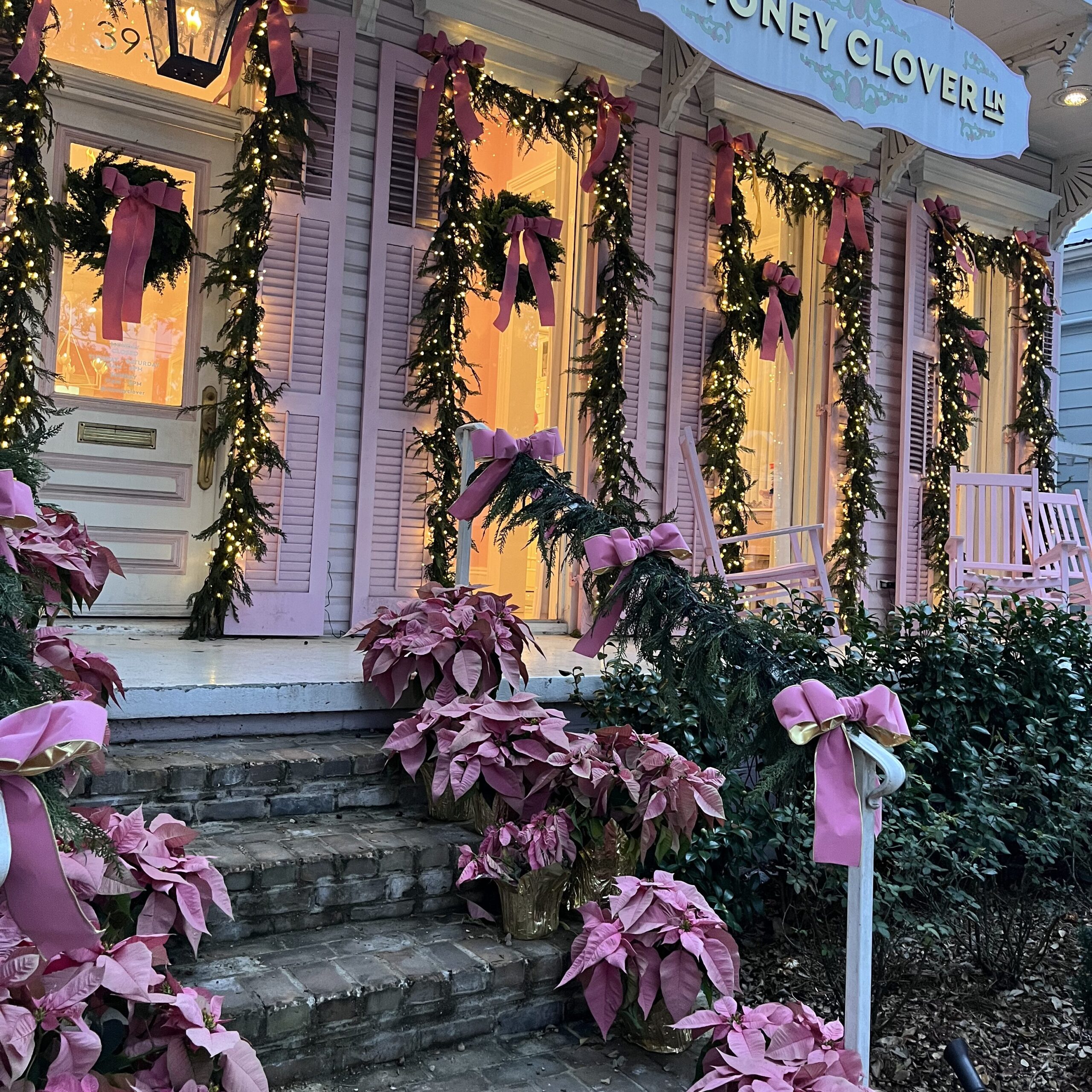
Magazine Street. A whole street of boutiques, art galleries, flea markets, and charming colourful houses.
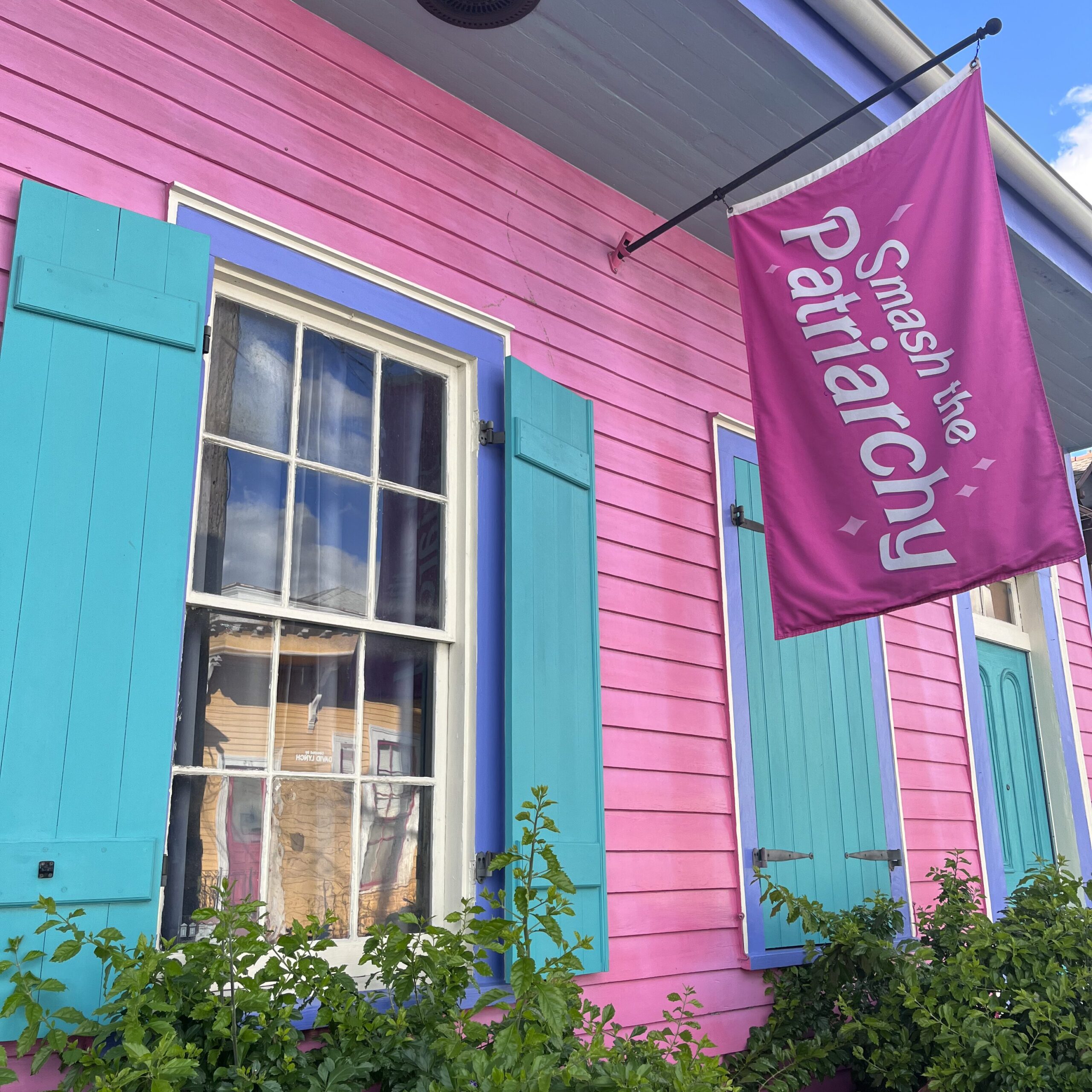
Bywater District. A chill neighbourhood with bars, cozy restaurants, and vintage shops. The houses here are even more colourful than on Magazine Street!
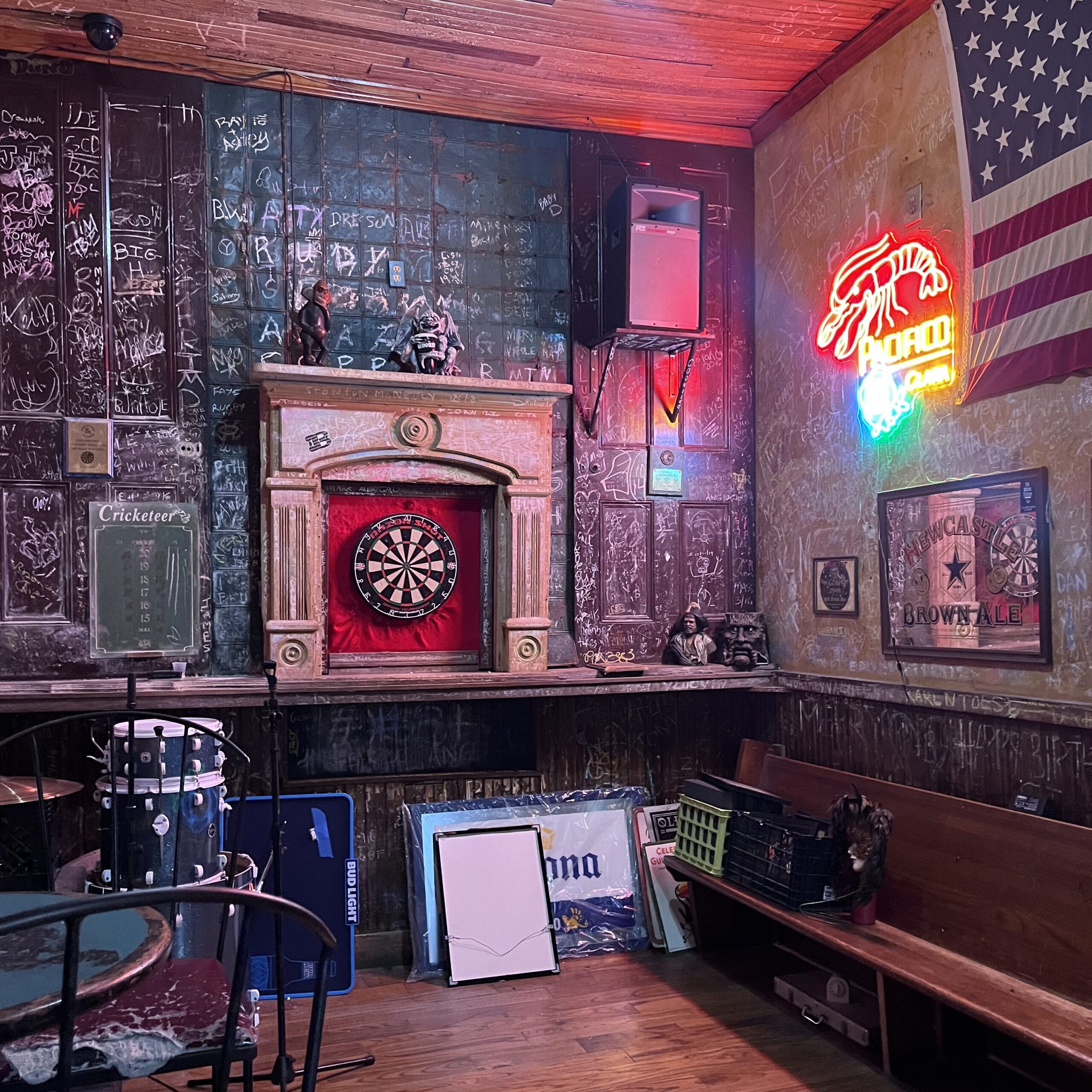
Algiers Point. One of the calmest and safest neighbourhoods in New Orleans, located across the Mississippi River from the French Quarter. You can get there and back by ferry! Algiers Point is a quiet historic area with dollhouse-like homes “straight out of a movie,” cozy cafés, and bars, including the legendary Old Point Bar – pure American atmosphere.
Where to stay in New Orleans?
The city isn’t the safest in the world, so I don’t recommend staying anywhere except Garden District, Bywater District, or Algiers Point. Remember, “neighbourhood” can be relative – just twenty minutes’ walk from the Garden District we stumbled upon a bridge with homeless people and an abandoned skyscraper. So, pick accommodation away from bridges, train stations, parks, and avoid the business district near the French Quarter – it empties out at night, which isn’t great. If you stay in the French Quarter, choose somewhere away from Bourbon Street and read hotel reviews carefully.
And that’s not all! There’s so much to see and do in New Orleans that one article isn’t enough.
More New Orleans:
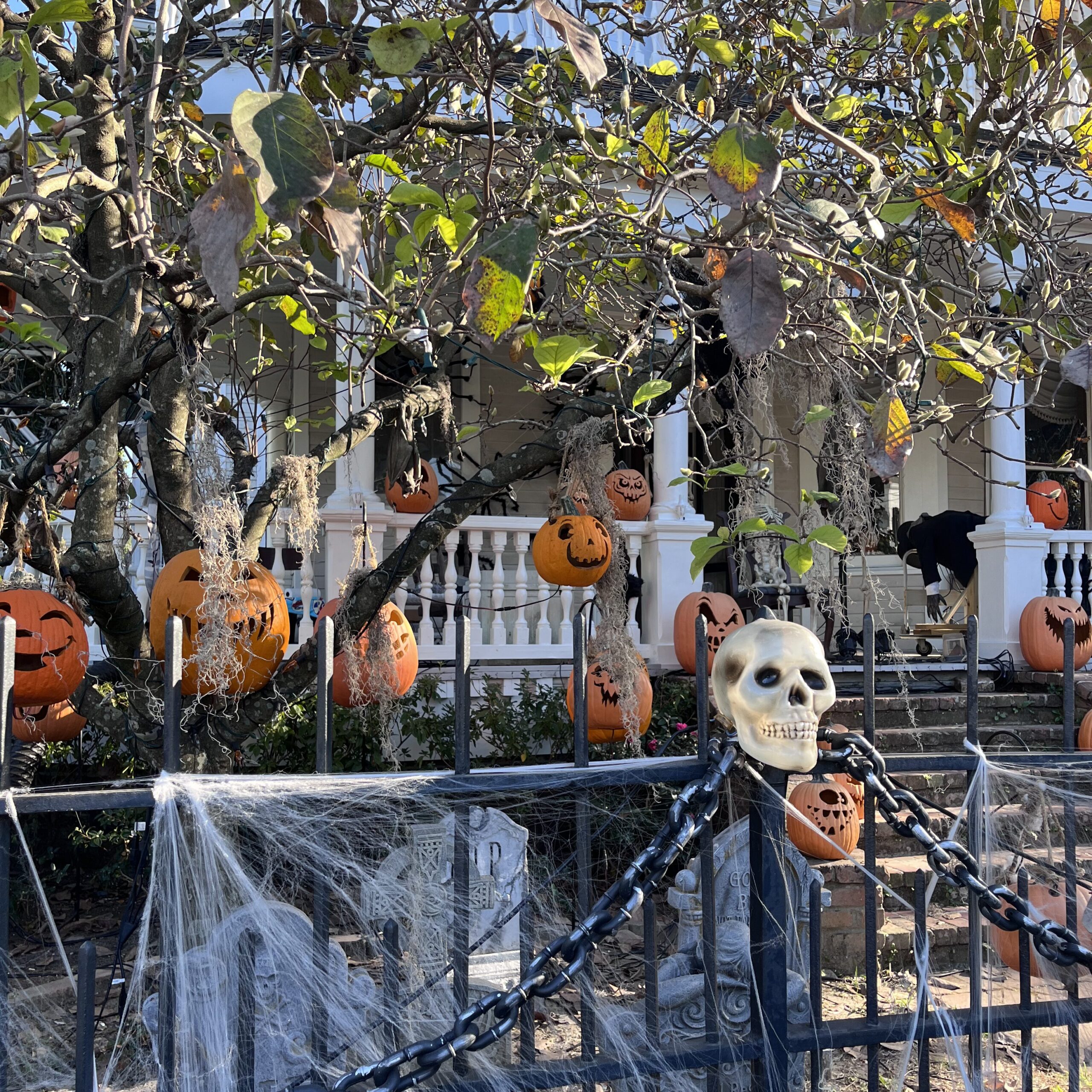
New Orleans is the best place to celebrate Halloween
There are only a few places in the US — or even the world — where you can feel Halloween in the air everywhere you go. And New Orleans is exactly that kind of place. If you’re looking for the ultimate Halloween experience, this is where you want to be.

Top activities in New Orleans
Whether you’re here for a weekend, three days, or a full week, here’s a list of ideas for where to go and what to see, both inside the French Quarter and far beyond it.